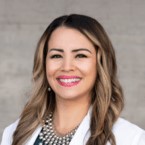
I am a Postdoctoral Research Fellow at the City of Hope Cancer Center and an upcoming tenure-track Assistant Professor in the Department of Biological Sciences at California Baptist University, where I will establish my independent cancer research program.
I completed my doctoral training in Pharmacology in the laboratory of Dr. Carlos A. Casiano at Loma Linda University School of Medicine. During my graduate studies, I helped define the specificity of the human autoantibody response to DFS70/LEDGFp75 and delineated molecular pathways involved in chemotherapy-resistant prostate cancer.
As a postdoctoral fellow at City of Hope, initially trained under Dr. Rick Kittles, where I identified candidate modulators of the insulin-like growth factor (IGF) signaling pathway as potential therapeutic targets in metastatic prostate cancer models. I subsequently joined the laboratory of Dr. Susan Neuhausen, where my research focuses on further characterizing these IGF pathway modulators and determining whether their expression and activity differ across racial and ethnic populations, to address cancer health disparities.
I aspire to be an independent investigator whose research integrates molecular cancer biology with population-based approaches to identify gaps in health care delivery for vulnerable populations and to improve treatment outcomes. I am also deeply committed to community engagement, mentorship, and training the next generation of cancer scientists.
Throughout my training, I have benefited from the guidance of dedicated mentors who have shaped my professional trajectory in cancer research. My motivation to serve on the AACR Associate Member Council stems from a strong commitment to fostering inclusivity, equity, and representation within the cancer research community. As a Latina scientist, I bring a perspective informed by lived experience and advocacy for underrepresented scientists. In my role within the AMC, I am dedicated to expanding outreach efforts, advancing initiatives that support early-career investigators, and promoting a culture where diverse voices are valued and empowered. Through my service at the council, I aim to contribute to a more inclusive, supportive, and equitable scientific ecosystem for emerging leaders in cancer research