Cancer Today’s Spring 2026 Issue: Using AI Chatbots to Help Inform Care Decisions, When to Monitor a Slow-growing Cancer, and More
About 1 in 6 adults in the United States use an artificial intelligence (AI) chatbot, such as ChatGPT, Claude, or Google Gemini, at least once a month for health advice, according to 2024 survey results from KFF, a nonprofit health policy organization. AI chatbots can condense massive amounts of data to provide quick answers to questions, but they can also convincingly provide false and misleading information. More people are turning to this technology to learn about their cancer.

After Carolina Millon received breast biopsy results in her health portal in October 2024, she uploaded her pathology report to ChatGPT to cut through the report’s medical jargon. She went into her next appointment with an understanding of the results and a list of questions to ask her doctor. “It doesn’t replace medical advice, but it is a fantastic bridge to help you engage better with your medical team,” Millon said. In its latest issue, Cancer Today, a magazine and online resource published by the American Association for Cancer Research (AACR), analyzes the benefits and risks of using AI chatbots, along with research efforts to make AI models more reliable.
Active Surveillance for Slow-growing Cancers
Cancer Today’s spring issue also explores how some people with early-stage or slow-growing cancer can opt for regular testing to monitor the disease, an approach known as active surveillance. This strategy is used in select cases—such as certain prostate, thyroid, and bladder cancers and non-Hodgkin lymphomas—when the disease is small, has not spread to other parts of the body, and is considered low risk. Patients who opt for active surveillance can forgo surgery, radiation, or chemotherapy—and treatment’s associated side effects—so long as the cancer does not grow. However, active surveillance comes with the added burden of follow-up tests and clinic visits, and not everyone can handle the anxiety of living with untreated cancer. “Like anything else in medicine, this is a risk-benefit discussion with the patient and their physicians,” Roger Li, MD, a urologic oncologist at Moffitt Cancer Center, told Cancer Today.
Gut Microbiome’s Impact on Treatment Response
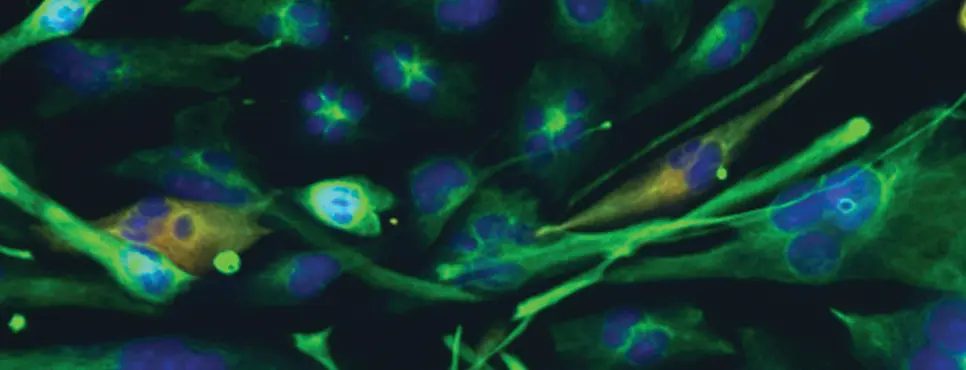
In another story, Cancer Today examines how the secret inhabitants of the digestive tract influence response to cancer treatment. Trillions of bacteria, viruses, and fungi live in our bodies and make up the microbiome. A healthy microbiome contains a variety of microorganisms, and researchers are recognizing the importance of maintaining this balance. In studies of certain cancers, people with robust microbiome diversity have had a stronger response to immunotherapy than those with poor microbiome diversity. Based on these findings, researchers are exploring ways to identify components of a healthy gut and ways to modulate the gut microbiome to improve treatment response.
‘Survivor’ Winner Ethan Zohn on Surviving Cancer
In this issue, Cancer Today also features Hodgkin lymphoma survivor Ethan Zohn, a former professional soccer player who won Survivor in 2002. Zohn was diagnosed with stage 2 Hodgkin lymphoma at age 35 in 2009. Following a stem cell transplant, he went into remission, but the disease returned in 2011. After undergoing a second transplant—this time receiving stem cells from his brother—Zohn has been in remission for the past 14 years. Throughout treatment, he prioritized staying active, even dribbling a soccer ball down the halls of the hospital. Today, Zohn works with multiple organizations to raise cancer awareness and encourage people to exercise during treatment. “Playing some role in helping other people get diagnosed earlier has made it worthwhile to talk about my story,” he told Cancer Today.
Treating Bladder Cancer, Lowering Colon Cancer Risk, and More
Cancer Today’s latest issue also provides practical information for patients, including analysis of two recently approved treatments that deliver chemotherapy directly to the bladder and offer an alternative to surgery for people with non-muscle invasive bladder cancer. Other articles share tips on how caregivers can reclaim their identity and explain how eating more vegetables can lower colon cancer risk. Plus, William G. Nelson, MD, PhD, FAACR, Cancer Today’s editor-in-chief and director of the Johns Hopkins Kimmel Comprehensive Cancer Center, provides commentary about how exceptional responses to cancer treatment could help inform personalized care.
The AACR offers Cancer Today free of charge to those affected by cancer. To view content from the spring 2026 issue, visit Cancer Today’s website or read the digital edition.
To stay up to date with the latest in cancer research and care, subscribe to the magazine or sign up to receive Cancer Today’se-newsletter released twice a month.