HER2 Inhibitor Approved for Certain HER2-mutated Lung Cancers
Zongertinib was granted accelerated approval as a first-line treatment for adults with advanced non-squamous non-small cell lung cancer with HER2-activating mutations.
The U.S. Food and Drug Administration (FDA) has granted accelerated approval to zongertinib (Hernexeos) for the first-line treatment of adult patients with unresectable or metastatic non-squamous non-small cell lung cancer (NSCLC) whose tumors harbor mutations in the human epidermal growth factor receptor 2 (HER2) tyrosine kinase domain that lead to activation of the protein. An FDA-authorized test can determine the presence of these mutations.
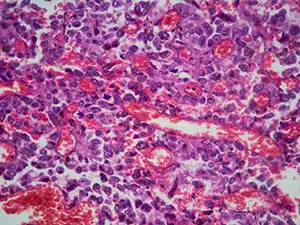
Certain mutations in a segment of the HER2 protein known as the tyrosine kinase domain can lead to overactivation of HER2 and promote cancer growth. Zongertinib inhibits HER2 activity without impacting the activity of the closely related protein EGFR. Zongertinib was first described in Cancer Discovery, a journal of the American Association for Cancer Research (AACR).
Zongertinib is the only tyrosine kinase inhibitor of HER2 approved for NSCLC. It had previously been granted accelerated approval for patients with HER2-mutant NSCLC that did not respond to prior systemic therapy. The new accelerated approval expands zongertinib’s approved use to the first-line setting.
The accelerated approval is based on results from the phase I, single-arm, open-label, multicenter Beamion LUNG-1 trial. Efficacy for the approval was evaluated in 72 patients with unresectable or metastatic NSCLC that had tyrosine-domain-activating HER2 mutations who had not received systemic therapy for advanced disease. Patients received 120 mg of daily oral zongertinib.
After a median follow-up of 13.8 months, 76% of patients experienced an objective response. Sixty-four percent of responses lasted six months or longer, and 44% lasted at least one year.
The recommended dosage of zongertinib, an oral tablet, depends on body weight. Patients weighing less than 90 kg should receive 120 mg orally once daily; patients weighing 90 kg or more should receive 180 mg orally once daily. Treatment should continue until disease progression or unacceptable toxicity.
NSCLC is the most common type of lung cancer, which is the leading cause of cancer death in both men and women in the United States. Approximately 1% to 4% of NSCLC tumors harbor an activating mutation in HER2. Federal statistics estimate that 226,650 individuals would be diagnosed with lung and bronchus cancer and 124,990 patients would die of the disease in the United States in 2025.
The FDA rendered its decision on February 26, 2026. Accelerated approval means that continued approval may be contingent upon a confirmatory trial. Please check this FDA web page for information about any accelerated approvals in oncology that may have been subsequently withdrawn and are no longer FDA-approved. Check this resource for updated information on all therapeutics regulated by the FDA.