Targeted Therapy Zenocutuzumab Approved for Ultrarare Type of Bile Duct Cancer
The bispecific antibody was approved for certain patients whose bile duct cancer harbors gene fusions that involve the neuregulin 1 gene.
The U.S. Food and Drug Administration (FDA) approved zenocutuzumab-zbco (Bizengri) for the treatment of adult patients with advanced, unresectable or metastatic cholangiocarcinoma (bile duct cancer) carrying a neuregulin 1 (NRG1) gene fusion (NRG1 fusion-positive) who have experienced disease progression on or after previous systemic therapy.
The NRG1 protein binds to the human epidermal growth factor receptor 3 (HER3), causing it to pair up with other receptors of the HER family, such as HER2. This event triggers a signaling cascade that promotes cell growth and division. Cancer cells harboring an NRG1 gene fusion produce an aberrant protein that continuously binds to HER3, resulting in hyperactivation of the HER2/HER3 signaling pathway and uncontrolled cell proliferation.
Zenocutuzumab-zbco is a bispecific antibody that targets HER2 and HER3. Through this dual-targeting approach, it stops the binding of the NRG1 fusion protein to HER3 and the dimerization of HER3 with HER2, preventing hyperactivation of the pathway and uncontrolled cell growth.
The approval was based on the results of eNRGy, a multicenter, open-label, multicohort clinical trial that evaluated safety and efficacy of zenocutuzumab-zbco in adults with advanced solid tumors. The study enrolled 22 patients with unresectable or metastatic NRG1 fusion-positive cholangiocarcinoma, 19 of whom were evaluable for efficacy. Results from the cholangiocarcinoma cohort were presented at the AACR-NCI-EORTC International Conference on Molecular Targets in 2025.
Overall response rate was 36.8%, and duration of response ranged from 2.8 to 12.9 months.
The prescribing information for zenocutuzumab-zbco includes a boxed warning for toxicity to the developing embryo or fetus in pregnant patients.
The recommended dose of zenocutuzumab-zbco dose is 750 mg administered intravenously every two weeks until disease progression or unacceptable toxicity.
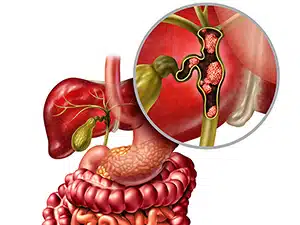
Cholangiocarcinoma is an aggressive cancer that originates in the bile ducts that connect the liver to the gallbladder and the small intestine. Cholangiocarcinoma is a rare disease (the National Cancer Institute estimated 12,610 cases of gallbladder and bile duct cancer combined in 2025 in the United States). NRG1-fusion positive cholangiocarcinoma is extremely rare and life-threatening.
The FDA rendered its decision on May 8, 2026. Check this resource for updated information on all therapeutics regulated by the FDA.