Palbociclib Approved for HR-positive, HER2-positive Advanced Breast Cancer
Palbociclib is the first CDK4/6 inhibitor approved for HR-positive, HER2-positive advanced breast cancer.
The U.S. Food and Drug Administration (FDA) has approved palbociclib (Ibrance) in combination with trastuzumab (Herceptin), with or without pertuzumab (Perjeta), and endocrine therapy for the maintenance treatment of adults with hormone receptor (HR)-positive, human epidermal growth factor receptor 2 (HER2)-positive locally advanced or metastatic breast cancer following induction treatment.
Palbociclib is an inhibitor of cyclin-dependent kinases (CDK) 4 and 6, which play an important role in the regulation of the cell cycle. Dysregulation or overexpression of CDK4/6 can occur in many cancers, leading to uncontrolled cell-cycle progression and increased cellular proliferation.
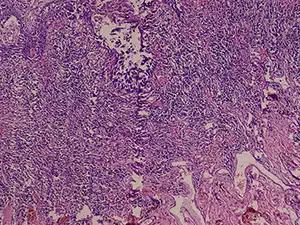
Patients with HR-positive, HER2-postive advanced breast cancer typically receive induction therapy consisting of chemotherapy plus HER2-targeted therapies, followed by maintenance treatment with HER2-targeted and endocrine therapies. However, resistance to anti-HER2 and endocrine therapies remains a significant challenge. Preclinical research, including a study published in the American Association for Cancer Research (AACR) journal Clinical Cancer Research, suggested that CDK4/6 inhibition with palbociclib may delay resistance and improve disease control. Palbociclib was previously approved for certain patients with HR-positive, HER2-negative breast cancer. The latest approval makes it available to patients with HR-positive, HER2-positive disease as well.
The approval was supported by results of PATINA, a multicenter, randomized, open-label phase III trial, which enrolled 518 patients with HR-positive, HER2-positive locally advanced or metastatic breast cancer who had no evidence of disease progression following induction therapy with a taxane plus trastuzumab, with or without pertuzumab. Patients were randomly assigned (1:1) to receive maintenance anti-HER2 and endocrine therapy either with or without palbociclib. Efficacy of this triple targeted therapy regimen was assessed by progression-free survival (PFS), which is the amount of time before the disease gets worse or the patient dies.
A statistically significant improvement in PFS was observed with palbociclib plus maintenance anti-HER2 and endocrine therapy compared with maintenance anti-HER2 and endocrine therapy alone. Treatment with palbociclib reduced the risk of disease progression or death by 24%. Results from this trial were reported at the San Antonio Breast Cancer Symposium 2024, which is co-organized by the AACR.
The recommended dosage of palbociclib is 125 mg once daily for 21 consecutive days, followed by seven days off treatment for a complete cycle of 28 days.
Aside from skin cancer, breast cancer is the most commonly diagnosed cancer and the second-leading cause of cancer-related death in women in the United States. Breast cancers are classified into subtypes based on the expression of biomarkers such as HR and HER2, which can influence treatment selection and outcomes. According to federal statistics, it was estimated that 321,910 individuals would be diagnosed with breast cancer in the United States in 2026, with HR-positive, HER2-positive tumors accounting for approximately 9% of cases. Patients with metastatic HR-positive, HER2-positive disease face a five-year relative survival rate of about 49%.
The FDA rendered its decision on June 24, 2026. Check this resource for updated information on all therapeutics regulated by the FDA.