PhD Student Becomes Mother’s Caretaker
How caretaking changed Dr. Samantha Rees’ professional career and personal life.
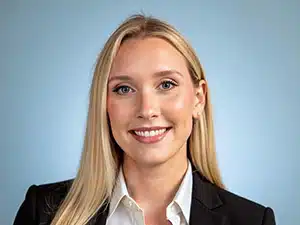
During my third year as a PhD student researching breast cancer risk and prevention, my mom told me she was diagnosed with stage 2 breast cancer. Shocked, I followed my training and turned to statistics for comfort. I had thoughts like, “Breast cancer is a very common cancer among women,” and “Breast cancers generally have good prognoses (with 91.9% of women surviving to five years),” and “Was my mom adherent to breast cancer screening?” Despite dedicating years of my life to cancer research, it was clear that all my content knowledge wasn’t enough to help her. All I could do was be a daughter.
Supporting my mom through her surgery, recovery, and systemic treatments revealed a large gap in my understanding of the patient experience and treatment logistics. Instead of visiting the American Cancer Society website for statistics to cite in my work, I was visiting their website to learn how to be a better caregiver. My connection to my research changed. A key foundation of epidemiology is acknowledging that diseases do not arise fully at random and are potentially preventable. This concept felt at odds with my mom’s experience, as she was relatively young, didn’t live an abnormally unhealthy lifestyle, and didn’t have a known genetic predisposition. As someone trained to ask and seek to answer the “why’s” of life, this perceived contradiction was unsettling.
I had to become more comfortable with uncertainty in my research and life. I was reminded of the almost unbearable fact that the datasets I worked with were from real people: real people diagnosed with a variety of cancers, real people who chose to participate in research because they wanted to contribute to understanding cancer, and real people who may be at risk of being diagnosed with cancer. We need continued support and funding opportunities, specifically for research aimed at having a direct impact on cancer survivors and those at future risk of cancer. The research questions we ask are shaping and informing the field of cancer research.
Lastly and most importantly, my mom’s breast cancer diagnosis forced me to grow as a person. I had often felt the pressure to be professional and strive for perfection in academia, essentially not sharing any of my personal challenges or vulnerabilities. Once my mom was diagnosed, I had to ask for patience and help at work. Opening up led me to develop deeper and more meaningful relationships with my colleagues. As scientists, we operate in a historically bureaucratic setting that rewards perfection, and there is a tendency to erase personal experiences in doing our research. But we are people, too. We are not immune to the inevitable challenges and heartbreaks of life. There is no award for suffering in silence. Showing up fully benefits us, our peers, our students, and, ultimately, our work. We may even benefit from having a more direct or personal relationship with our work. I encourage other scientists to share their connection with their own research.
In the end, when my research hit too close to home, it completely shifted my perspective, for the better. A cancer diagnosis is immensely challenging, but growth comes from adversity.
Whether you are a patient, survivor, caregiver, or loved one touched by cancer, your story can have an enormous impact. You can provide hope and inspiration to someone recently diagnosed with cancer or a patient undergoing therapy.
SHARE YOUR STORY
Learn about physician-scientists and cancer researchers like Fellow of the AACR Academy Lewis C. Cantley, PhD, who are driving progress against cancer.
Learn More
There are many ways in which you can lend your talents to support lifesaving research. Learn how you can become an advocate for cancer research, participate in events to raise awareness, volunteer your time, and share your story of how cancer has affected your life.
Get Involved