New First-line Treatments for Gastroesophageal Cancers
Two zanidatamab-based regimens were approved for certain HER2-positive advanced gastric, gastroesophageal junction, or esophageal cancers.
The U.S. Food and Drug Administration (FDA) has approved zanidatamab-hrii (Ziihera) as part of two first-line treatment regimens for adults with human epidermal growth factor receptor 2 (HER2)-positive gastroesophageal cancers. It also approved two companion diagnostic tests that determine HER2 status by assessing HER2 protein expression by immunohistochemistry (IHC) or gene amplification by in situ hybridization (ISH).
The approved first-line indications for zanidatamab-hrii are:
- in combination with fluoropyrimidine- and platinum-containing chemotherapy and tislelizumab-jsgr (Tevimbra) to treat adults with unresectable locally advanced or metastatic gastric, gastroesophageal junction, or esophageal adenocarcinoma that is HER2-positive, defined as either IHC 3+ (high HER2 protein expression) or IHC 2+/ISH+ (equivocal HER2 protein expression with confirmed HER2 gene amplification); and
- in combination with fluoropyrimidine- and platinum-containing chemotherapy to treat adults with unresectable locally advanced or metastatic gastric, gastroesophageal junction, or esophageal adenocarcinoma that has high HER2 protein expression (IHC 3+).
Zanidatamab-hrii is a bispecific HER2-directed antibody that binds to two different sites on the HER2 receptor simultaneously, promoting the clustering of multiple HER2 receptors. This receptor clustering enhances immune-mediated mechanisms that lead to cancer cell death. In addition, zanidatamab-hrii binding reduces HER2-dependent signaling pathways that are required for tumor growth and survival. Before this approval, trastuzumab (Herceptin) was the only HER2-targeted therapy approved for these cancers.
Tislelizumab-jsgr is an immunotherapy previously approved for certain patients with advanced gastroesophageal cancers.
A study in the American Association for Cancer Research (AACR) journal Clinical Cancer Research, reported early-phase clinical efficacy and safety results for zanidatamab-based therapy.
The approval of zanidatamab-hrii was supported by HERIZON-GEA-01, a randomized, three-arm, open-label, active-comparator phase III trial. Patients with HER2-positive (IHC 3+ or IHC 2+/ISH+) advanced gastroesophageal cancers were randomly assigned (1:1:1) to one of three treatment groups:
- Arm A: control (trastuzumab with investigator’s choice of combination chemotherapy);
- Arm B: zanidatamab-hrii plus chemotherapy; or
- Arm C: zanidatamab-hrii plus chemotherapy with tislelizumab-jsgr.
Patients treated with zanidatamab-hrii plus chemotherapy with tislelizumab -jsgr (Arm C) experienced significant improvements in both progression-free survival (PFS) and overall survival (OS). Median PFS was 12.4 months in Arm C compared to 8.1 months in the control arm. This translated to a 37% lower risk of disease progression or death in Arm C. Median OS was 26.4 months in Arm C compared to 19.2 months in the control arm.
While patients treated with zanidatamab-hrii plus chemotherapy (Arm B) also saw significant improvement in PFS compared with the control arm, the improvement in OS was not statistically significant. Exploratory analyses indicated that the PFS benefit was mainly driven by patients whose tumors had high HER2 expression (IHC 3+). Among these patients, median PFS was 14.2 months with zanidatamab-hrii plus chemotherapy compared to 7.6 months with the control.
The prescribing information for zanidatamab-hrii includes a boxed warning for diarrhea and embryo-fetal toxicity.
The recommended dose of zanidatamab-hrii is based on body weight:
- For patients weighing <70 kg: 1,800 mg every three weeks or 1,200 mg every two weeks.
- For patients weighing ≥70 kg: 2,400 mg every three weeks or 1,600 mg every two weeks.
Tislelizumab-jsgr may be administered at a dose of 150 mg every two weeks, 200 mg every three weeks, 300 mg every four weeks, or 400 mg every six weeks until disease progression or unacceptable toxicity.
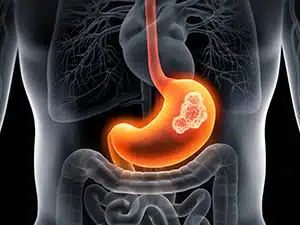
Gastroesophageal cancers, including gastric (stomach), gastroesophageal junction, or esophageal adenocarcinoma, are cancers involving the digestive system. Stomach cancer arises from cells within the stomach lining, while gastroesophageal junction cancer starts in the area where the esophagus meets the stomach. Esophageal adenocarcinoma begins in glandular cells in the lining of the lower esophagus near the stomach. About 20% of gastric cancers and esophageal adenocarcinomas, and 30% of gastroesophageal junction cancers are HER2-positive. According to federal statistics, it was estimated that 31,510 individuals would be diagnosed with stomach cancer and 10,740 patients would die of the disease in the United States in 2026.
The FDA rendered its decision on August 25, 2026. Check this resource for updated information on all therapeutics regulated by the FDA.