AACR-QuadW Foundation Fellowship for Clinical/Translational Sarcoma Research in Memory of Willie Tichenor
The AACR-QuadW Foundation Fellowship for Clinical/Translational Sarcoma Research in Memory of Willie Tichenor represents a joint effort to encourage and support a postdoctoral or clinical research fellow to work on mentored sarcoma research and to establish a successful career path in this field. Funded research may be translational or clinical in nature.
2026 Grantees

Scientific Statement of Research
Fusion-positive rhabdomyosarcoma (FP-RMS), also known as alveolar rhabdomyosarcoma, is an aggressive pediatric cancer with limited therapeutic options, particularly following relapse and metastasis. The fusion oncoprotein PAX3–FOXO1 (P3F) is the principal oncogenic driver of FP-RMS. P3F recruits the histone acetyltransferases CBP/p300 through its activation domain and is functionally dependent on these proteins for its transcriptional activity. Pharmacological inhibition of CBP/p300 disrupts P3F-driven transcriptional programs, highlighting a potential therapeutic vulnerability. Given that P3F itself remains an undruggable target, targeting CBP/p300 represents a promising alternative strategy. Dr. Khan will evaluate the translational potential of a novel CBP/p300 inhibitor, with the goal of establishing the foundation for a new therapeutic approach for FP-RMS.
Biography
Dr. Imdadul Khan earned his doctoral degree in Pharmaceutical Sciences from the University of Mississippi in 2022. His doctoral research focused on the development of natural product-inspired small molecule therapeutics for cancer, infectious diseases, and pain. He is currently a postdoctoral scholar at Case Western Reserve University, where he is developing innovative therapeutic strategies for FP-RMS, with an emphasis on translating chemical biology approaches into clinically relevant cancer treatments.
Acknowledgement of Support
“I am deeply grateful and humbled to receive this award. It represents an important milestone in my pursuit of a career in pediatric oncology research and novel therapeutic development. Thank you for selecting me for this honor. I am committed to contributing my best efforts to advancing translational cancer research.”
2025 Grantee
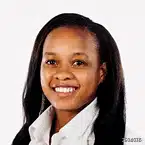
Scientific Statement of Research
While multimodal chemotherapy combined with surgical resection has resulted in an approximately 70% disease-free five-year survival rate in patients with localized osteosarcoma (OS), patients with metastatic disease fare far worse. Therefore, new treatment strategies are desperately needed for patients with this aggressive malignancy. To identify potential targeted combinations with PARPi, Dr. Morsby exploited a genome scale loss-of-function CRISPR-Cas9 synergy screen in two OS cell lines in the presence and absence of the FDA-approved PARPi olaparib over a period of 14 days. ATM emerged as a top druggable sensitizer to PARPi in both cell lines. This funded project is designed to test the hypothesis that dual inhibition of ATM and PARP will lead to pediatric OS cell death in vitro and in vivo via apoptosis.
Biography
Dr. Morsby completed her doctorate at the University of Notre Dame in 2023, where her work focused on utilizing novel near-infrared probes to monitor hypoxic regions of tumors. She is currently a postdoctoral research associate at St. Jude Children’s Research Hospital working on validating the dual inhibition of ATM and PARP as a novel therapy for pediatric osteosarcoma.
Acknowledgment of Support
“I am extremely honored and grateful to be awarded the AACR-QuadW Foundation Sarcoma Research Fellowship in Memory of Willie Tichenor. This project has high clinical relevance, as current treatment options being explored for pediatric OS patients are very limited. Receiving this award means I will have the funding necessary to complete and publish this work, which can directly impact patients.”