Targeted, High-dose Radiation May Improve Treatment for ‘Supermassive’ Bile Duct Tumors
Patients with very large intrahepatic cholangiocarcinoma experienced improved outcomes when targeted, high-dose radiation was added to chemotherapy
PHILADELPHIA – Patients with supermassive intrahepatic cholangiocarcinoma (ICC) benefited from ablative radiation therapy, a treatment that is typically used to treat non-supermassive ICC, according to a study published in Clinical Cancer Research, a journal of the American Association for Cancer Research (AACR).
Cholangiocarcinoma is a rare cancer of the bile ducts, and the intrahepatic variant—which accounts for about 10% of cases—forms in the bile ducts within the liver.
While some patients with ICC can undergo curative-intent surgery, most patients have tumors that are unresectable due to their size or stage of progression.
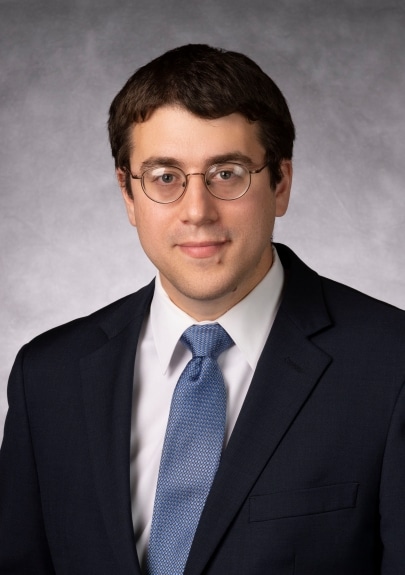
“For patients with unresectable cholangiocarcinoma, historically, the standard of care has been chemotherapy plus immunotherapy,” said Ethan B. Ludmir, MD, associate professor at The University of Texas MD Anderson Cancer Center and the study’s co-senior author. “But over the past 10 to 15 years, the field has also developed the technological ability to add what we call ‘ablative radiation’ to treatment, which is a high-dose radiation therapy that targets the tumor locally with a precisely aimed beam.”
However, ablative radiation is not often used for patients with ICC tumors with a diameter of at least 10 cm (which the researchers term “supermassive ICC”) due to safety and tolerability concerns, explained Eugene J. Koay, MD, PhD, professor at UT MD Anderson and co-senior author.
“We know that radiating the liver directly is effective for other ICC patients, so this study aimed to test whether patients with supermassive ICC would also benefit,” said Joseph Abi Jaoude, MD, a resident in radiation oncology at Stanford University and the first author of the study.
Ludmir, Koay, Abi Jaoude, and colleagues assessed data from 63 patients at UT MD Anderson who, between 2011 and 2020, received treatment for unresectable ICC tumors of at least 10 cm in diameter. The study grouped the patients into two cohorts: 34 patients who received both chemotherapy and ablative radiation, and 29 patients who only received chemotherapy. Baseline characteristics, including median tumor size, were similar between the cohorts. For both cohorts, the most common form of chemotherapy was a combination of gemcitabine and cisplatin. To assess the treatments’ efficacy, the researchers analyzed overall survival (OS) and the rate of tumor-related liver failure (TRLF).
No patients treated with ablative radiation experienced grade 4 or 5 adverse events. Two patients experienced late-onset grade 3 gastrointestinal hemorrhage, and nine patients experienced late nonclassic radiation-induced liver disease. All other adverse events were acute grade 1 or 2 toxicities. The most common adverse event was acute grade 1 lethargy, affecting 25 (73.5%) patients.
After a median follow-up of 17.9 months, patients treated with both ablative radiation therapy and chemotherapy had a significantly better median OS of 28.7 months compared with the patients treated with chemotherapy alone, who had a median OS of 11.9 months. Patients in the radiation therapy and chemotherapy combination cohort were 60% more likely to be alive at the point of follow-up than their counterparts in the chemotherapy-only cohort.
Similarly, radiation and chemotherapy produced significantly lower rates of TRLF than chemotherapy alone: 12.1% of the patients who received the radiation-chemotherapy combination experienced TRLF, compared with 47.1% of patients who received chemotherapy alone.
As an additional comparator, the researchers analyzed data from 816 patients with supermassive ICC who were treated with chemotherapy only and whose data were available in the National Cancer Database. These patients had a median OS of 11.6 months with chemotherapy-only treatment after a median follow-up of 10.8 months, which was again inferior to the OS seen with patients who underwent radiation therapy.
To test their hypothesis that supermassive ICC was biologically similar to other ICC cases despite its larger size, the research team compared the genetics, histology, and immune-cell infiltration between supermassive and non-supermassive tumors. These analyses did not reveal any significant differences between supermassive and non-supermassive ICC tumors.
“Together, the findings from our study show that the ablative radiation approach we’ve successfully used to treat standard unresectable ICC cases may also be beneficial for patients who present with very large ‘supermassive’ tumors,” said Ludmir. “Our findings suggest that the technology for ablative radiation therapy has matured to a point where it is quite effective and also very safe.”
“From what our molecular and histology analyses showed, the fundamental biology of supermassive ICC is not significantly different than that of other ICCs, which may explain why it also demonstrates a robust response to ablative radiation,” said Koay. “While this is a limited study of a disease that, on the whole, is quite rare, our study does provide a compelling basis for using ablative radiation therapy in a patient population for whom better treatment is sorely needed.”
The study’s limitations include a limited number of participants, its retrospective design, and the specialized center where the analysis was conducted, which treats a disproportionate number of rare cancer cases that may not reflect the general population.
The study was funded by the National Institutes of Health (NIH). Koay reports grants from NIH, Stand Up To Cancer, UT MD Anderson, Philips Healthcare, Elekta, and GE HealthCare; personal fees from RenovoRx and Taylor and Francis; and a consulting/advisory role with Augmenix/Boston Scientific. Ludmir reports grants from the Sabin Family Fellowship Foundation and the Fund for Innovation in Cancer Informatics. Abi Jaoude declares no conflicts of interest.
Download a photo of Ludmir