First Treg Immunotherapy for Blood Cancers
The allogeneic regulatory T cell therapy was designed to improve HSCT outcomes in patients with hematological malignancies.
The U.S. Food and Drug Administration (FDA) has approved allogeneic regulatory T cell-based immunotherapy with hematopoietic stem and progenitor cell (HSPC) and T cells-vldq (Tregzi) in the treatment of adults with hematological malignancies. This therapy is indicated for use in matched donor hematopoietic stem cell transplantation (HSCT) with a myeloablative preparative regimen for hematopoietic and immunologic reconstitution and to improve chronic graft-versus-host disease (cGVHD)-free survival.
Whereas conventional HSCT relies solely on the transfer of HSPCs, the newly approved therapy combines HSPCs with regulatory T cells (Tregs) and conventional T cells (Tcons). This approach improves recovery of the blood and immune systems while helping reduce the risk of cGVHD, a strong immune reaction when the donor T cells attack the recipients’ healthy tissues. These benefits are driven largely by Tregs, which suppress harmful immune responses and promote immune tolerance.
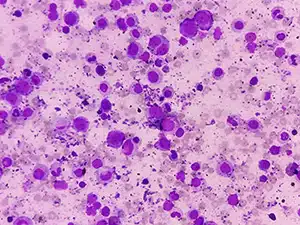
Previously, patients undergoing HSCT required multidrug prophylaxis immunosuppression to forestall cGHVD. However, these regimens can be highly toxic and cGVHD remains a major complication despite their use. As highlighted by Nobel laureate Fred Ramsdell, PhD, at the 2026 AACR Immuno-Oncology Conference (AACR IO), Tregs function as the immune system’s “peacekeepers,” limiting donor-derived immune responses and helping maintain immunologic balance after transplantation.
This approval was supported by Precision-T, a multicenter, open-label, randomized, controlled phase III clinical trial that enrolled 187 adults with acute leukemias or myelodysplastic syndrome. Patients were randomly assigned to receive the Treg-based treatment followed by tacrolimus for GVHD prophylaxis or conventional stem cell transplant from a matched donor followed by tacrolimus and methotrexate for GVHD prophylaxis.
Efficacy was determined by cGVHD-free survival (cGFS), which is the time from HSCT to death or the onset of moderate-to-severe cGVHD.
Fewer than half of the patients receiving the Treg-based treatment had experienced death or moderate-to-severe cGVHD, whereas half of those receiving traditional HSCT experienced an event by 7.3 months. The risk of cGVHD was 74% lower among patients treated with the Treg-based therapy than those treated with conventional HSCT after a median follow-up of 8.48 months and 9.03 months, respectively. By one year posttransplant, 12.6% of patients who underwent the Treg-based therapy had developed moderate-to-severe cGVHD, as compared with 44% of patients in the control group.
The three components of the Treg-based treatment are administered sequentially by intravenous infusion. On day 0, patients undergo HSCT and receive HSPCs (≥1.0 × 10⁶ viable cells/kg of body weight) and Tregs (1.3 × 10⁶ to 3.5 × 10⁶ viable cells/kg). Tcons (1.3 × 10⁶ to 6.9 × 10⁶ viable cells/kg) are then delivered on days 2 and 3.
Hematological cancers collectively represent roughly 10% of all new cancer cases in the United States. According to federal statistics, approximately 192,030 individuals were expected to be diagnosed with leukemia, lymphoma, (Hodgkin and non-Hodgkin) and myeloma in 2026, and an estimated 55,830 patients would die of these diseases. Myelodysplastic syndromes are a group of rare hematologic cancers that affect blood-forming stem cells. About 1 in 3 patients with myelodysplastic syndrome will progress to acute myeloid leukemia, one of the most aggressive hematologic cancers.
The FDA rendered its decision on June 30, 2026. Check this resource for updated information on all therapeutics regulated by the FDA.