Pembrolizumab and Enfortumab Vedotin-ejfv Approved for More Patients With MIBC
FDA approves pembrolizumab and enfortumab vedotin-ejfv for patients with muscle-invasive bladder cancer regardless of cisplatin eligibility.
The U.S. Food and Drug Administration (FDA) has approved pembrolizumab (Keytruda) or pembrolizumab and berahyaluronidase alfa-pmph (Keytruda Qlex) each in combination with enfortumab vedotin-ejfv (Padcev) as neoadjuvant treatment (before surgery) followed by adjuvant treatment after cystectomy (surgery to remove the bladder) for adults with muscle-invasive bladder cancer (MIBC).
Pembrolizumab is an anti-PD-1 immunotherapy that helps keep immune cells active so they can recognize and attack cancer cells. Berahyaluronidase alfa-pmph enables pembrolizumab to be given as a subcutaneous injection instead of an intravenous infusion.
Enfortumab vedotin-ejfv is an antibody-drug conjugate (ADC) composed of a monoclonal antibody that recognizes Nectin-4, a protein with limited expression in normal tissues but frequent overexpression on the surface of cancer cells, linked to a microtubule-disrupting chemotherapy agent. Once the ADC binds to a cancer cell, it is internalized, releasing the drug inside the cell where it interferes with cell division and causes cell death.
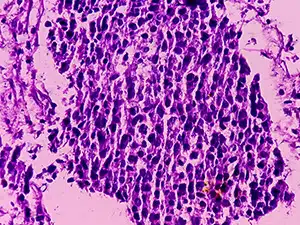
The combination was initially approved in November 2025 for patients with MIBC who were ineligible for cisplatin-based chemotherapy. With this latest approval, the use of pembrolizumab plus enfortumab vedotin-ejfv perioperative treatment (before and after surgery) is extended to include patients with MIBC who are eligible for cisplatin.
The approval was based on the open-label, randomized, active-controlled, multicenter phase III clinical trial KEYNOTE-B15-EV-304. The trial enrolled 808 patients with previously untreated MIBC who were candidates for radical cystectomy with pelvic lymph node dissection and were eligible for cisplatin-based chemotherapy.
Patients were randomly assigned (1:1) to one of two groups: perioperative pembrolizumab plus enfortumab vedotin-ejfv or neoadjuvant gemcitabine plus cisplatin, with surgery performed in both groups.
Investigators observed statistically significant improvements in both event-free survival—the length of time from the start of treatment until disease progression or another serious event, such as residual cancer, recurrence, inability to complete surgery, or death—and overall survival. More than half of the patients who received pembrolizumab plus enfortumab vedotin-ejfv had not yet experienced an event at the time of analysis. In contrast, half of the patients in the gemcitabine plus cisplatin group had experienced an event by 48.5 months. This translated to a 47% lower risk of an event among patients in the pembrolizumab plus enfortumab vedotin-ejfv arm compared with the chemotherapy arm.
The prescribing information for enfortumab vedotin-ejfv carries a boxed warning for serious skin reactions.
Before surgery, pembrolizumab may be given either intravenously (200 mg every three weeks or 400 mg every six weeks) or subcutaneously (395 mg pembrolizumab with 4,800 units of berahyaluronidase alfa-pmph every three weeks for four doses or 790 mg pembrolizumab with 9,600 units of berahyaluronidase alfa-pmph every six weeks for two doses), in combination with enfortumab vedotin-ejfv, which is administered intravenously at 1.25 mg/kg (maximum 125 mg for patients ≥100 kg) on Days 1 and 8 of each 21-day cycle. The neoadjuvant regimen is given for four cycles (12 weeks).
Following surgery, enfortumab vedotin-ejfv is continued for five additional cycles every three weeks in combination with intravenous pembrolizumab (200 mg every three weeks for 13 cycles or 400 mg every six weeks for seven cycles) or subcutaneous pembrolizumab (395 mg pembrolizumab with 4,800 units of berahyaluronidase alfa-pmph every three weeks for 13 doses or 790 mg pembrolizumab with 9,600 units of berahyaluronidase alfa-pmph every six weeks for seven doses). Pembrolizumab monotherapy is then continued to complete a total adjuvant treatment duration of 39 weeks. When administered on the same day, pembrolizumab should be administered after enfortumab vedotin-ejfv.
Bladder cancer occurs when cells in the urinary bladder grow and divide uncontrollably. When the cancer spreads into the bladder’s muscle layer, it is categorized as MIBC. According to federal statistics, it was estimated that 84,530 individuals would be diagnosed with bladder cancer and 17,870 patients would die of the disease in the United States in 2026.
The FDA rendered its decision on July 10, 2026. Check this resource for updated information on all therapeutics regulated by the FDA.