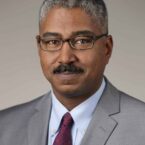
Dr. Kebebew is Professor of Surgery, Chief of General Surgery and the Harry A. Oberhelman Jr. and Mark L. Welton Professor at Stanford University. He is an internationally recognized surgeon scientist with expertise in Endocrine Oncology and Surgery. His scientific contributions include the use of molecular markers in endocrine tumors to refine diagnosis and prognostication, identification of novel targets for endocrine cancer therapy, implementation of genetic testing and advanced imaging modality to optimize the management of patients with endocrine tumors and that allows for the practice of precision surgery, and the identification and characterization of inherited endocrine and neuroendocrine syndromes, and their susceptibility genes. He has performed more than four thousand operations on the adrenal, parathyroid, and thyroid glands, and for neuroendocrine tumors of the gastrointestinal tract and pancreas. He has given over 200 invited lectures and visiting professorships. Dr. Kebebew has authored and coauthored over 400 scientific articles, 40 book chapters, and edited or co-edited four textbooks.
I have been a member of the AACR since 2002. I look forward to serving on the Minorities in Cancer Research Council (MICR) to promote and increase the number of minority scientists in cancer research, to enhance the breadth and depth of the AACR’s programs that highlights and supports the work of investigators of diverse background and will advocate for research that will accelerates the elimination of cancer disparities.
One of the most enjoyable and rewarding aspect of my career has been to be able to mentor and sponsor young investigators in biomedical research. As part of the MICR, I will actively contribute to programs that address the needs and visibility of minority scientists, and advocate for policies and programs that address cancer disparities.