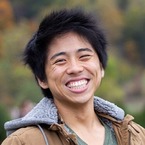
Studying cancer and developing new therapeutics has been a lifelong dream come true. My journey started at the University of Redlands in Southern California, where I obtained Bachelor of Science degrees in Biology and Chemistry. I later trained as an undergraduate intern at the Fred Hutchinson Cancer Research Center in Seattle before moving across the United States to complete my PhD training through the Biomedical Sciences Graduate Program at the University of Virginia (UVA) School of Medicine. My doctoral work centered on cancer metabolism, drug resistance mechanisms, and therapeutic development. At UVA, I studied sphingolipid metabolism in acute myeloid leukemia (AML) to improve our understanding of AML pathogenesis and enhance frontline therapeutics. I studied the role of acid ceramidase (AC), a lysosomal enzyme that catabolizes the tumor suppressor sphingolipid ceramide, in AML therapy resistance. AC is overexpressed in AML and promotes chemotherapy and BH3 mimetic resistance. Specifically, I evaluated how AC inhibition augments AML sensitivity to the frontline AML therapeutics of cytarabine (chemotherapy) and venetoclax (BH3 mimetic). I was awarded both the National Cancer Institute F31 Predoctoral Fellowship and the National Cancer Institute F99/K00 Predoctoral to Postdoctoral Transition Award to support my training. At present, I am a postdoctoral fellow at the Dana-Farber Cancer Institute. It is thanks to the unwavering support of those who believed in me that I am making progress toward achieving my long-term career goal of developing anti-cancer therapeutics and supporting the next generation of scientists. I would not be where I am today if it were not for the immense support from family and those I met at the University of Redlands, the Hutch, and UVA. I owe a lot to the amazing mentors I have met throughout my academic and research journey. To “pay it forward,” I have committed to a lifelong mission of cancer research, education, and training to support, mentor, and inspire the next generation of cancer researchers. To that end, it is an honor to be elected to the AACR Associate Member Council. I am thrilled to leverage my experiences as a Cambodian American and first-generation trainee to foster training opportunities for disadvantaged individuals, promote science and interpersonal communication skills, and advocate for early-career researchers.