Childhood Brain Stem Glioma
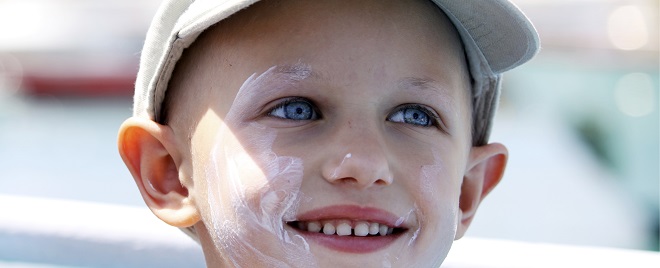
Childhood brain stem gliomas occur when glial cells—structural cells in the nervous system that provide support for other nerve cells—form tumors within the brain stem, an ancient and foundational part of the brain that regulates essential automatic processes, including breathing, heart rate, blood pressure, and more. Gliomas in the brain stem can disrupt these processes.
Taken together, brain tumors (including but not limited to brain stem gliomas) are the second most common form of childhood cancer, although the exact cause for most of them is unknown. Childhood brain stem gliomas can be divided into two main types:
- Diffuse intrinsic pontine glioma, or DIPG, an aggressive and difficult-to-treat malignancy that forms in the pons, a region of the brain stem critically important for processes like the sleep-wake cycle and respiration. Because of its location and its tendency to spread among healthy cells, the prognosis for patients diagnosed with DIPG tends to be quite poor.
- Focal brain stem glioma, which is easier to treat and slower-growing than DIPG.
Source: National Cancer Institute

You can support the AACR's mission by contacting your representatives and senators and advocating for increased funding for lifesaving cancer research.
Learn More