Multiple Myeloma and Other Plasma Cell Neoplasms

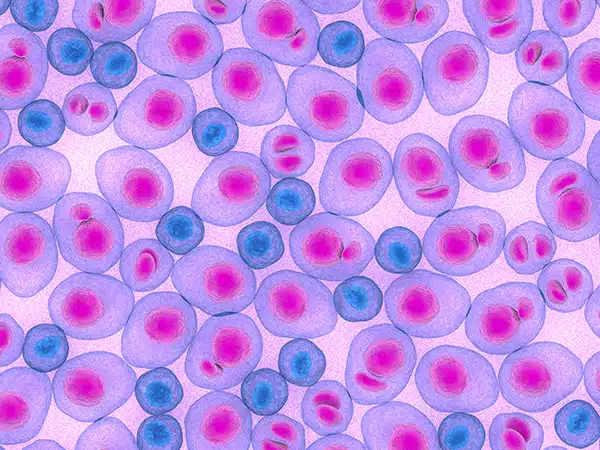
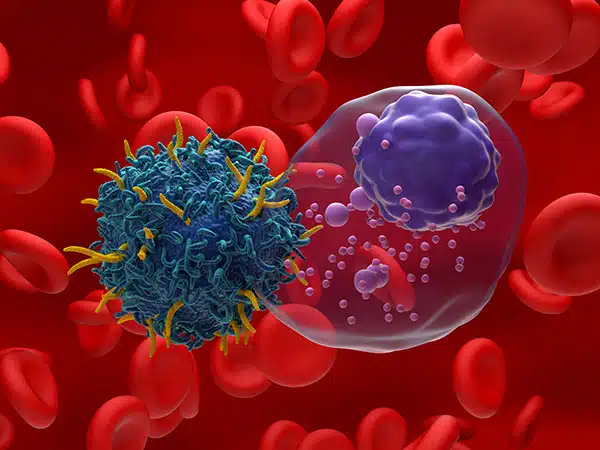
Plasma cell neoplasms are diseases in which abnormal plasma cells, which are called myeloma cells, form tumors in the bones or soft tissues of the body. Typically, B lymphocytes (B cells), a type of white blood cell that is made in the bone marrow, will change into plasma cells when bacteria or viruses enter the body in order to help stop the spread of infection and disease. But in the case of plasma cell neoplasms, these cells grow too fast, which can cause the blood to thicken and prevent the bone marrow from producing enough healthy blood cells.
Plasma cell neoplasms can be benign or malignant. The following types of plasma cell neoplasms are cancer:
- lymphoplasmacytic lymphoma (also called Waldenstrom macroglobulinemia);
- plasmacytoma; and
- multiple myeloma.
The National Cancer Institute’s Surveillance, Epidemiology, and End Results (SEER) Program estimated that about 36,110 people in the United States were diagnosed with myeloma and that 12,030 died of the disease in 2025.
Plasma Cell Neoplasms (Including Multiple Myeloma) Treatment (PDQ®)Source: National Cancer Institute

You can support the AACR's mission by contacting your representatives and senators and advocating for increased funding for lifesaving cancer research.
Learn More