Belzutifan Plus Lenvatinib Approved for Common Kidney Cancer Type
The new combination is approved for patients with advanced clear cell renal cell carcinoma that progressed on or after certain immune checkpoint inhibitors.
The U.S. Food and Drug Administration (FDA) has approved belzutifan (Welireg) with lenvatinib (Lenvima) for the treatment of advanced renal cell carcinoma with a clear cell component (ccRCC) in adults after receiving a programmed death receptor-1 (PD-1) or programmed death-ligand 1 (PD-L1) inhibitor.
Belzutifan is a small-molecular inhibitor of hypoxia-inducible factor 2 alpha (HIF-2α), a protein that helps cells respond to low oxygen levels. During low oxygen conditions (hypoxia), HIF-2α accumulates in cells and turns on genes that promote tumor survival and growth. In ccRCC HIF-2α enables cancer cells to survive in the hypoxic tumor environment. By inhibiting HIF-2α activity, belzutifan helps block these tumor-promoting pathways. Previously, belzutifan was approved to treat certain tumors in patients with von Hippel-Lindau disease and to treat ccRCC both as a monotherapy and in combination with pembrolizumab.
Lenvatinib is an inhibitor that blocks the activity of multiple receptor tyrosine kinases involved in tumor cell proliferation, angiogenesis, and metastatic progression.
The approval was supported by results from the open-label, randomized, active-controlled LITESPARK-011 phase III trial that involved 747 patients with advanced ccRCC that got worse on or after PD-1 or PD-L1 inhibitors. Patients were randomly assigned (1:1) to receive either belzutifan and lenvatinib or cabozantinib, another receptor tyrosine kinase inhibitor.
A statistically significant improvement in progression-free survival (PFS) was observed in the belzutifan and lenvatinib group compared to the cabozantinib group, with the combination reducing the risk of disease progression or death by 26%. Patients receiving belzutifan and lenvatinib experienced a median of 14.6 months without disease progression or death, compared to 10.6 months for those receiving cabozantinib. Overall survival was not significantly improved with belzutifan and lenvatinib relative to cabozantinib.
The belzutifan label contains a boxed warning for embryo-fetal toxicity.
The recommended dosage is 120 mg of belzutifan and 20 mg lenvatinib taken once daily until disease progression or unacceptable toxicity.
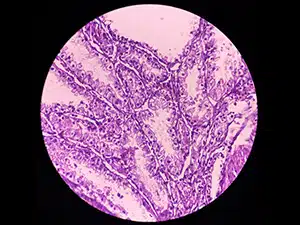
The most common type of kidney cancer is ccRCC, accounting for approximately 80% of all cases. ccRCC arises within the lining of kidney tubules that reabsorb nutrients, water, and minerals into the bloodstream, while filtering waste for excretion in urine. It is referred to as “clear cell” because under the microscope, the tumor cells look like clear bubbles. According to federal statistics, it was estimated that 80,450 individuals would be diagnosed with kidney and renal pelvis (the part of the kidney that collects urine) cancer and 15,160 patients would die of the disease in the United States in 2026.
The FDA rendered its decision on September 24, 2026. Check this resource for updated information on all therapeutics regulated by the FDA.