Expanded Indication for Subcutaneous Daratumumab
The FDA has approved daratumumab and hyaluronidase-fihj in combination with other therapies as first-line treatment for certain patients with multiple myeloma.
The U.S. Food and Drug Administration (FDA) approved daratumumab and hyaluronidase-fihj (Darzalex Faspro) combined with bortezomib, lenalidomide, and dexamethasone for adult patients with newly diagnosed multiple myeloma who cannot undergo autologous stem cell transplant.
Daratumumab and hyaluronidase-fihj is an immunotherapy that combines a monoclonal antibody (daratumumab) targeting the protein CD38, which is highly expressed on the surface of multiple myeloma cells, and the hyaluronidase-fihj enzyme that partially breaks down the extracellular matrix so that daratumumab can reach CD38-expressing cells more effectively. Binding of daratumumab with CD38 results in cancer cell death.
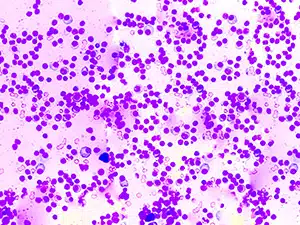
The bortezomib, lenalidomide, and dexamethasone regimen, known as VRd, is one of the commonly used primary therapies for this group of patients. Bortezomib is a proteasome inhibitor that blocks protein degradation and causes accumulation of toxic proteins, cellular stress, and cancer cell death. Lenalidomide is an immunomodulatory agent that enhances T-cell and natural killer cell activation. Dexamethasone is a steroid that sensitizes myeloma cells to treatment and helps to mitigate some side effects of anticancer therapy.
The combination regimen of daratumumab and hyaluronidase-fihj plus VRd was previously approved to treat patients with newly diagnosed multiple myeloma who were eligible for autologous stem cell transplant. The latest decision extends its approval to include patients ineligible for autologous stem cell transplant as well.
The approval was based on results from CEPHEUS, an open-label, randomized, active-controlled phase III trial conducted in patients with newly diagnosed multiple myeloma who were ineligible for or refused autologous stem cell transplant (ASCT) as initial therapy.
A total of 395 patients were randomly assigned to receive either daratumumab and hyaluronidase-fihj in combination with VRd or VRd only. The minimal residual disease negativity rate, or the proportion of patients who experienced complete response and showed no detectable cancer cells in the bone marrow, was 52.3% in the daratumumab and hyaluronidase-fihj arm and 34.8% in the VRd-only arm. After a median follow-up of 39 months, patients who received daratumumab and hyaluronidase-fihj had a 40% lower risk of death or disease progression than those who only received VRd.
The recommended daratumumab and hyaluronidase-fihj dose is 1,800 mg of daratumumab and 30,000 units of hyaluronidase.
Multiple myeloma is a form of blood cancer in which abnormal plasma cells build up in the bone marrow. The National Cancer Institute estimated that 36,110 individuals would be diagnosed with multiple myeloma, and 12,030 patients would die of the disease in the United States in 2025.
The FDA rendered its decision on January 27, 2026. Check this resource for updated information on all therapeutics regulated by the FDA.