Immunotherapy Combination Approved for Previously Untreated Liver Cancer
The FDA has approved nivolumab with ipilimumab as a first-line treatment for advanced liver cancer.
The U.S. Food and Drug Administration (FDA) has approved the combination of nivolumab (Opdivo) and ipilimumab (Yervoy) for the treatment of adult patients with unresectable or metastatic liver cancer that has not been previously treated.
Nivolumab and ipilimumab are immunotherapies called immune checkpoint inhibitors that bind to receptors on T cells and can help bolster immune responses against tumors.
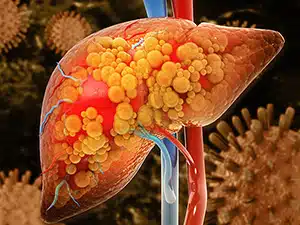
The approval was based on results from the open-label, randomized phase III CHECKMATE-9DW trial, in which 668 patients with previously untreated unresectable or metastatic hepatocellular carcinoma were randomly assigned (1:1) to receive either nivolumab and ipilimumab or investigator’s choice of tyrosine kinase inhibitor (TKI) between lenvatinib (Lenvima) or sorafenib (Nexavar). Nivolumab and ipilimumab are initially administered together for four cycles, followed by nivolumab treatment alone.
Patients in the nivolumab plus ipilimumab arm had a 21% lower risk of death at a median follow-up of 35.2 months, with half of the patients in the nivolumab and ipilimumab arm living at least 23.7 months compared with 20.6 months in the TKI arm. A significantly higher proportion of cancers responded to the combination immunotherapy (36.1%) compared with TKI therapy (13.2%).
The recommended combination dose is 1 mg/kg for nivolumab and 3 mg/kg for ipilimumab, given on the same day every three weeks for nine weeks. The recommended dose for subsequent nivolumab monotherapy is either 240 mg every two weeks or 480 mg every four weeks up to two years or until disease progression or unacceptable toxicity.
Hepatocellular carcinoma develops from hepatocyte cells in the liver, and it is the most common form of liver cancer. According to federal statistics, it was estimated that 42,240 individuals would be diagnosed with liver cancer and 30,090 patients would die of the disease in the United States in 2025.
The FDA rendered its decision on April 11, 2025. Check this resource for updated information on all therapeutics regulated by the FDA.