
August 7, 2020: The Week in Cancer News
A study shows that new cancer diagnoses declined in March and April 2020, and other cancer research news of the week selected by the staff of Cancer Today magazine.

A study shows that new cancer diagnoses declined in March and April 2020, and other cancer research news of the week selected by the staff of Cancer Today magazine.

In a study, researchers found an association between periodontal disease, tooth loss, and conditions associated with colorectal cancer.
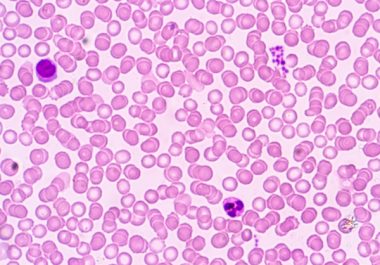
The FDA has approved the first targeted therapeutic against B-cell maturation antigen (BCMA) to treat certain patients with multiple myeloma.

New cervical cancer screening guidelines emphasize the role of HPV testing, a study shows a steep decline in health care visits by people with cancer this spring, and more cancer research news of the week from Cancer Today magazine.
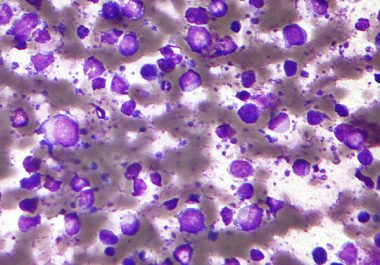
The FDA has approved a new immunotherapeutic for treating certain adult patients with diffuse large B-cell lymphoma. The U.S. Food and Drug Administration (FDA) granted accelerated approval to a new targeted immunotherapeutic called tafasitamab-cxix...
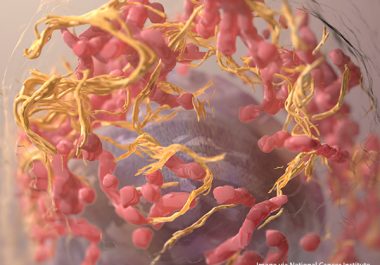
The FDA has approved a combination of the immune checkpoint inhibitor atezolizumab with two targeted therapies for certain patients with advanced melanoma.

People who have been diagnosed with cancer are more likely than those without a cancer history to adhere to measures like wearing masks and avoiding crowded areas, and CAR-T cell therapy is becoming an option for treating more types of cancer.

It is estimated that almost 40 percent of people in the United States will be diagnosed with cancer during their lifetimes and that approximately 32 percent of patients will die within five years of diagnosis. However, the distribution of cancer and cancer-related deaths varies substantially across racial/ethnic groups.

The FDA has approved a CAR T-cell immunotherapy to treat certain adult patients with mantle cell lymphoma.

What happens if your workplace reopens before you’re ready to return or you’re an essential worker? For some people who have been diagnosed with cancer, accommodations may be possible.

AACR Fellow Lewis C. Cantley, PhD, leads a national effort targeting triple-negative breast cancer and ovarian cancer with a novel drug combination.
Learn More