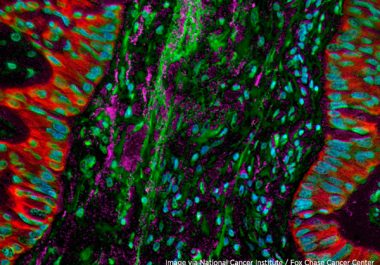
Targeting Non-Small Cell Lung Cancer
The FDA approved a new molecularly targeted therapeutic for certain patients with lung cancer driven by a mutation in the MET gene.

The FDA approved a new molecularly targeted therapeutic for certain patients with lung cancer driven by a mutation in the MET gene.

While the incidence of melanoma has been rising, the mortality rate has experienced a steep decline over the past few years. This is largely attributable to major advances in treatment during the past two decades, including the development of BRAF...

One in three cancer survivors reports that they or their partners have stayed in jobs due to concerns about keeping health insurance and other cancer news of the week from the staff of Cancer Today.

Testicular cancer forms when cancerous cells develop in one or both testicles. Almost all cases of the disease begin in the germ cells of the testicles, which are responsible for producing immature sperm. The two main types of testicular cancer are seminomas and nonseminomas, with nonseminomas typically being more aggressive.
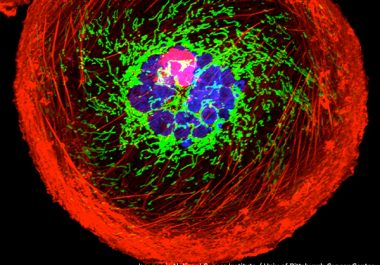
The FDA approved a type of molecularly targeted therapeutic called an antibody-drug conjugate for the treatment of metastatic triple-negative breast cancer.
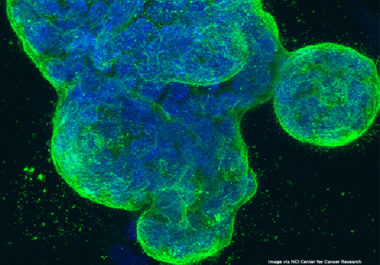
The FDA has approved a new molecularly targeted therapeutic for treating certain patients with advanced or metastatic HER2-positive breast cancer.

A study shows that antibiotic use prior to starting immunotherapy for melanoma is associated with decreased survival and other cancer news of the week from the staff of Cancer Today.
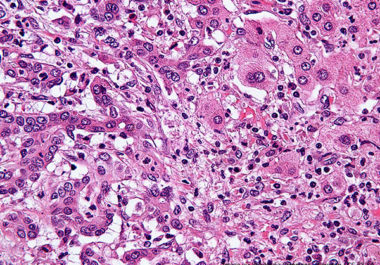
The first molecularly targeted therapeutic for use in the treatment of bile duct cancer has been approved by the FDA.
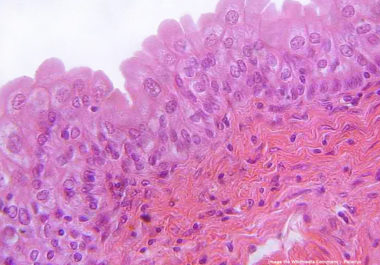
Treating a rare cancer with a chemotherapy gel.

A new study suggests that a HER2-targeted therapy approved for breast cancer may be effective for several other cancers. Human epidermal growth factor receptor 2 (HER2) is a protein that can promote cancer progression...

AACR Fellow Lewis C. Cantley, PhD, leads a national effort targeting triple-negative breast cancer and ovarian cancer with a novel drug combination.
Learn More