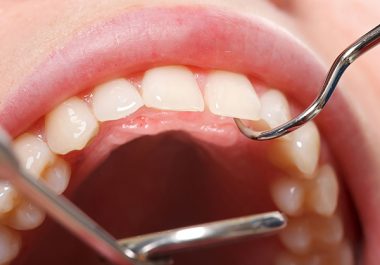
Watch Your Mouth
Dental screening before treatment could stave off dental emergencies.

Dental screening before treatment could stave off dental emergencies.
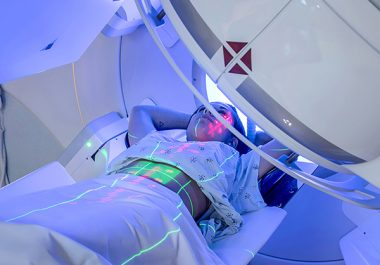
Hypofractionation may allow patients to finish radiation treatment sooner.
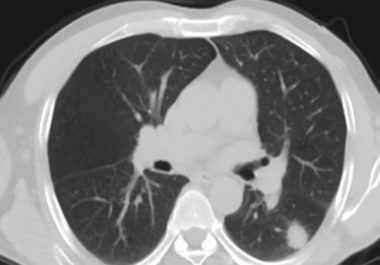
Whether lung cancer patients receive PET scans depends on race, according to a study.

Research on premalignancy is needed to fully tap the potential of cancer interception.

Researchers estimate that breast cancer surpassed lung cancer as the most commonly diagnosed cancer globally in 2020, and more news of the week from Cancer Today.

When creating anything new, one must ask the question, “will others use it?” A driving force behind the creation of AACR Project GENIE (Genomics Evidence Neoplasia Information Exchange) was to create an open access...

Esophageal adenocarcinoma increasingly found in adults under 50, study finds
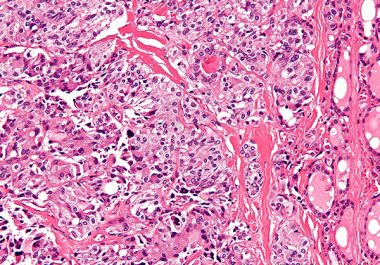
The FDA has expanded the approval of a molecularly targeted therapeutic to treat certain pediatric and adult patients with medullary thyroid cancer. The U.S. Food and Drug Administration has approved pralsetinib (Gavreto) to treat certain adult and pediatric patients age...

Several options are available for the treatment of breast cancer, including local therapies such as surgery and radiation therapy, as well as systemic therapies such as chemotherapy, hormone therapy, targeted therapy, and immunotherapy. While...

The pandemic may make cancer clinical trials more patient-centric, and more news of the week from Cancer Today.

AACR Fellow Lewis C. Cantley, PhD, leads a national effort targeting triple-negative breast cancer and ovarian cancer with a novel drug combination.
Learn More