Pirtobrutinib Approved for Certain Untreated Blood Cancers
The BTK inhibitor may be used as first-line treatment for some cases of CLL/SLL.
The U.S. Food and Drug Administration (FDA) has approved pirtobrutinib (Jaypirca) for patients with chronic lymphocytic leukemia or small lymphocytic lymphoma (CLL/SLL) without chromosome 17p deletion who have not received treatment.
Pirtobrutinib is a targeted therapy that inhibits Bruton tyrosine kinase (BTK), a protein that is involved in B-cell development and proliferation. In CLL/SLL, this pathway is hyperactive in B cells, leading to increased growth and survival. By blocking BTK, pirtobrutinib stops abnormal cells from expanding.
While chemoimmunotherapy (CIT) was historically the initial treatment given to patients diagnosed with CLL/SLL, the treatment is associated with toxicity and poor outcomes for patients whose cancer cells have lost the TP53 gene, located on chromosome 17p. Several phase III studies have demonstrated superior efficacy of BTK inhibitors over CIT against cancers in which TP53 is mutated or deleted. As a result, several BTK inhibitors, including ibrutinib (Imbruvica), acalabrutinib (Calquence), and zanubrutinib (Brukinsa), have been approved for CLL/SLL. However, tumors often acquire resistance mutations in BTK, rendering these therapies ineffective. Pirtobrutinib, in contrast, works even against mutated BTK, and its effectiveness is much less likely to be lost if the cancer tries to adapt.
The approval of pirtobrutinib extends its prior approval as second-line therapy to now include frontline use.
The current approval was based on data from the randomized, open-label, active-controlled phase III clinical trial, BRUIN CLL-313. The trial enrolled 282 patients with CLL/SLL without deletion of chromosome 17p who had not received treatment. Patients were randomly assigned (1:1) to receive pirtobrutinib until disease progression or bendamustine plus a rituximab product—a CIT regimen—for six cycles.
After a median follow-up of 28 months, patients who received pirtobrutinib had an 80% lower risk of disease progression or death compared to those who received CIT. In the pirtobrutinib group, the median progression-free survival (PFS) was not reached, as more than half of the patients remained progression-free at the time of analysis, while the median PFS for the CIT group was 33.5 months.
The recommended dosage for pirtobrutinib is 200 mg administered orally once daily until disease progression or unacceptable toxicity.
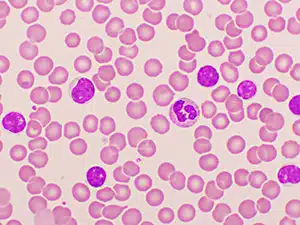
CLL is a common type of leukemia in which malignant B lymphocytes accumulate mainly in the blood and bone marrow. SLL is the same disease, but malignant cells are found primarily in the lymph nodes. According to federal statistics, between 2019 and 2023 in the United States, the age-adjusted incidence of CLL/SLL was 4.6 per 100,000 individuals and the age-adjusted mortality rate was 0.8 per 100,000 individuals.
The FDA rendered its decision on October 2, 2026. Check this resource for updated information on all therapeutics regulated by the FDA.