A Cancer Diagnosis After Six Months of Symptoms
Yvonne Ditoro shares how advocating for herself was key to her cancer journey.
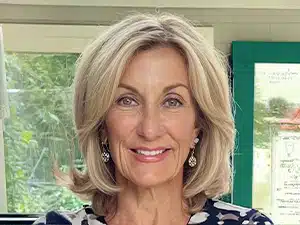
When I came back from vacation in February 2023, I suddenly developed a violent, nonstop cough. I didn’t have a fever, but my cough was relentless. I went to the ER, where they ran blood work and did a chest X-ray. They ruled out the flu, COVID-19, RSV, and pneumonia. I was given a breathing treatment that barely helped, and then I was sent home still coughing. They instructed me to see my primary health care provider.
But the cough didn’t go away. It went on for weeks despite everything my primary doctor tried—steroids, antibiotics, antihistamines, and countless prescriptions and over-the-counter medications. Nothing stopped it. I couldn’t get in to see a pulmonologist for four months, which felt like an eternity when I was still so sick and scared.
During that time, repeated chest X-rays continued to show “no pneumonia,” but I knew something was wrong. I finally pushed my primary doctor to order a CT scan. That scan showed concerning results, but the report recommended simply repeating it in three months. Those three months felt like forever.
Before the follow-up CT scan, I was feeling well so I did a 5K run with my son. I came in first for my age group at 69. When the second CT finally came, I was able to see a pulmonologist, who ordered a PET scan. That’s when I finally got my diagnosis: stage 3 adenocarcinoma, non–small cell lung cancer—more than six months after my first symptoms.
I was told I’d have to wait another month just to meet with a surgeon. I couldn’t bear waiting anymore, so I found a different surgeon and oncologist three hours away. That decision likely saved my life. Not long after, I had a left lung wedge resection, followed by six rounds of chemotherapy and 30 radiation treatments.
Today, I’m in remission. I go for CT scans every three months to stay on top of it.
Looking back, I can’t help but wonder—what if this had been caught earlier? Would it have stayed at stage 1 or 2 instead of progressing to stage 3? I’ll never know. But what I do know is this: you have to trust your gut, push for answers, ask for second opinions, and insist on the tests you need. If I hadn’t, I might not be here to share this.
Whether you are a patient, survivor, caregiver, or loved one touched by cancer, your story can have an enormous impact. You can provide hope and inspiration to someone recently diagnosed with cancer or a patient undergoing therapy.
SHARE YOUR STORY
Learn about physician-scientists and cancer researchers like Fellow of the AACR Academy Lewis C. Cantley, PhD, who are driving progress against cancer.
Learn More
There are many ways in which you can lend your talents to support lifesaving research. Learn how you can become an advocate for cancer research, participate in events to raise awareness, volunteer your time, and share your story of how cancer has affected your life.
Get Involved