A Mother’s Journey and a Family’s Story Through the Storm
A daughter and caregiver’s loving remembrance of her mother’s poignant experiences with stage 4 ovarian cancer.
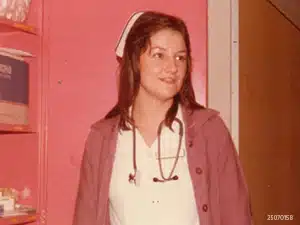
The waves of emotions rolled in like the tides of a destructive hurricane, ready to shake me to my core. I remember the day as if it were yesterday. My mom came home from her oncology appointment with a sunken demeanor, and I couldn’t even see the beauty in those hazel-green eyes. The words “I have ovarian cancer; it’s stage 4” were the last words I could ever imagine would come out of her mouth. This incredible human being, who was not only a single mother but my entire world, has cancer. How do we navigate this? Is she going to be alright? What does this mean for my sister and me? These thoughts ran through my head until I couldn’t think or cry anymore.
I knew that navigating this new journey wasn’t going to be easy. The following year was filled with chemotherapy, a full hysterectomy, infections, ostomy bag surgery, and doubt. The ebb and flow between hope and doubt made us fearful of both. The effects of chemotherapy transformed my vivacious mother into a fragile, unrecognizable person with a familiar voice. It was my turn to be everything she’d been for me throughout my life: a haven, a protector, a provider. Every scrape she bandaged, every broken bone she healed, every fever she got rid of could no longer be her role to fix; I had to help heal her.
The first year felt like an eternity of medical appointments and chemo treatments until, finally, good news. My mother’s hazel-green eyes were bright and full of life again while every syllable in her rejoiced: “I’m in remission. The cancer is gone.” The words felt as bright as the starry night sky. The happy tears and elation my sister and I felt is one thing I will never forget. We began planning family trips, new adventures, and a prosperous future. Life was perfect— or so we thought.
There are 365 days in a year. How quickly those 365 days felt like one. My mom’s cancer not only returned, but it spread. I sought the face of God to scream at Him for explanation and demand resolution. Now, I was almost 19, and the emotions were no longer depleted to numbness; they converted to rage and avoidance. I ran away from home. I left her. I turned to smoking pot, drinking and partying, skipping school, and driving with no license. While my mother was fighting for her life once again, reckless living and apathy became my new sanctuary. I didn’t care what happened to me if nothing bad happened to her. I sought resolution and clarity to find myself to return home so I could be there for her like she had always been for me. At 20, I returned home to be her shelter once again.
The last remission brought its typical dose of fresh optimism. I just knew this time that this was it. Now, with the tally up to a thousand prayers, surely God would bless us with our happily ever after. She will be cancer-free and live a fulfilling life. As it were, a thousand prayers did not seem enough. Her cancer came back with a vengeance. This final, short-lived season of hope would be brief and followed by the worst resurgence of the disease my mother would face.
Have you ever walked down the endless hallways of a hospital? The concerned noises of beeping machines, the hollow echoes of ominous footsteps, and the cold consciousness of death all lead to the ambiance hospitals attempt to mask with cheery art and calming blue paint. My little sister held my hand the whole way, providing the consolation that only another broken heart can. I always say she’s brave and nurturing as if she agreed to fulfill our mother’s role. We reached the room where our mom lay in her hospital bed, surrounded by our father and stepmother. We were given the horrific report of how badly the massive tumors had adhered to her abdominal walls, and the doctors were unable to remove them, or she would bleed to death. There was nothing more that the doctors could do. My body went completely numb and motionless. My mom was going to die.
Hospice is where one goes when there are no other treatment options. My mother was given two months to live, make memories, lay with her children, reminisce, and give advice that she prayed would be remembered throughout their lives. We prayed for a miracle, a cure, and her body to heal. However, my praying only gave her an extended month to live, but I was willing to take that. I wasn’t ready to say goodbye, but I knew the time was coming.
I’ll never forget the name Brooke. The name of my compassionate, incredible boss who was more concerned with the minutes I could spend with my mother than when I was clocked in. On December 9, 2008, I visited my mom and told Brooke I would return in a few hours. I walked into my mom’s hospice room, and it had the smell of expiration and death. It’s a unique and indescribable smell if you’ve never smelt death. My mother was still present when I arrived, but it was a shadow of her. She no longer resembled the woman who cried on my first day of school or helped me into my Scottish kilt for my next performance. I put on her Celtic Woman CD, and we sat and listened to the melodies while I held her fragile hand. She could barely speak or sit up but did it for me. The final goodbye while she was still intact, still alive, and still mom sends chills to this day:
“I love you, Mom.”
“I love you too, Punky.”
The phone call that haunts me most still rings in my ears. The message was clear: my mother wasn’t doing well, and we needed to hurry. I sped too fast down I-60 and held my sister’s hand again as we made our final journey down the hall to the death-fragranced room. The expression is “hanging by a thread,” which was the condition of our mother’s life when we arrived. We sat with her quietly, timidly awaiting the moment God would release her thread and set her soul free. Later, we went to bed in the dark but peaceful living room, unsure of the following hours.
We awoke at 4:05 a.m. to say our final goodbyes. My sister and I stood outside of her room, unsure if we genuinely wanted to watch our mother take her last breath. We clutched one another’s shaking hands and stood at the door, where a white wall was shielding us from seeing the last breaths of my mother before she passed peacefully. At 4:08 a.m., my haven took her last breath, and we missed it. She knew of our hesitation to witness her last moment and did what good mamas do—she protected us. We were 19 and 22 and were too young to lose our mother, but we did. Her passing filled the room with emptiness and sorrow.
The reality of having to witness cancer consume someone you love is forever embedded deep within. This new journey of living in grief and heartache grabbed and held me down for months. While I found a new love for alcohol to fill the void, I knew this was not the route I was to take. I found God again. I ached for comfort and sympathy. I rejoiced in my life by living in the present. I didn’t neglect the death of my mom any less; I embraced the beauty of it. I magnified her legacy to its fullest and gave back like she did. The big C word: it will rock your world like a sailboat lost at sea. But once you reach the shore, there is a sense of assurance that you will be okay, just like I am.
Whether you are a patient, survivor, caregiver, or loved one touched by cancer, your story can have an enormous impact. You can provide hope and inspiration to someone recently diagnosed with cancer or a patient undergoing therapy.
SHARE YOUR STORY
Learn about physician-scientists and cancer researchers like Fellow of the AACR Academy Lewis C. Cantley, PhD, who are driving progress against cancer.
Learn More
There are many ways in which you can lend your talents to support lifesaving research. Learn how you can become an advocate for cancer research, participate in events to raise awareness, volunteer your time, and share your story of how cancer has affected your life.
Get Involved