AACR-Incyte Fellowships
The AACR-Incyte Fellowships represent a joint effort to encourage and support young mentored investigators to conduct cancer research and to establish a successful career path in this field. The research proposed for funding may be basic, translational, or clinical in nature.
2025 grantee
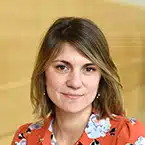
Scientific Statement of Research
Dr. Guilbaud focuses on targeting mitochondrial stress responses for improving anticancer immunity in ER+ breast cancer upon radiotherapy. Specifically, Dr. Guilbaud will dissect the impact of the anti-apoptotic protein BCL2 (which antagonizes mitochondrial permeabilization) and mitophagy (a cellular mechanism that targets mitochondria to lysosomal degradation) on the emission of immunostimulatory cytokines including type I IFN by irradiated cancer cells. To this aim, Dr. Guilbaud will harness preclinical models of ER+ breast cancer, subjected to the pharmacological or genetic alteration of the BCL2 system and mitophagy, with the final objective to promote the establishment of a tumor microenvironment that supports treatment efficacy. This approach is particularly promising since patients with ER+ breast cancer are poorly sensitive to immunotherapy and highly translational combinatorial approaches, such as those enable by radiotherapy plus the FDA-approved BCL2 inhibitor venetoclax, are urgently awaited.
Biography
Dr. Guilbaud received her bachelor’s degree Molecular Biology and Genetics, and her master’s degree in Genetics, Immunology and Animal Development from the University of Côte d’Azur. She obtained her doctoral degree in Clinical and Therapeutic Research at the Mediterranean Center of Molecular Medicine. She is currently a postdoctoral fellow with the Cancer Signaling and Microenvironment Program at Fox Chase Cancer Center.
Acknowledgement of Support
“Receiving the 2025 AACR Immuno-oncology Research Fellowship will accelerate my project and career by providing essential resources and mentorship. This support will help me generate high-impact data, strengthen my independence as an emerging investigator, and advance translational immune-based strategies that ultimately improve patient outcomes.”
2024 grantee

Research
High-grade serous ovarian carcinoma (HGSOC) is resistant to standard therapies and all current forms of immunotherapy. Hence, novel and more effective treatments are urgently needed in the clinic. Tissue-resident memory (TRM) CD8 T cells have been demonstrated to be crucial mediators of durable anti-tumor immunity, but it remains unknown how to elicit and harness this adaptive immune population to confront HGSOC. Dr. Salvagno’s project aims to develop new therapeutic strategies that educate the innate immune system for the optimal generation and maintenance of TRM CD8+ T cells that eliminate metastatic ovarian cancer.
Biography
Dr. Salvagno completed her doctoral degree at Leiden University in the Netherlands. During her doctoral research at the Netherlands Cancer Institute in Amsterdam, she discovered how targeting tumor-associated macrophages impacts the efficacy of chemotherapy in breast cancer. Currently, she is a postdoctoral fellow in Dr. Juan Cubillos-Ruiz’s laboratory at Weill Cornell Medicine, where she investigates the mechanisms enabling long-term immune memory formation to develop next-generation cancer immunotherapies.
Acknowledgment of support
“I am honored to receive the AACR-Incyte Immuno-Oncology Research Fellowship, which will allow me to establish new paradigms in ovarian cancer immunobiology. I am hopeful that this research will contribute to the development of innovative therapeutic strategies aimed at improving the survival outcomes for women facing this challenging disease.”
2023 grantee

Research
Follicular lymphoma (FL) is the most common indolent lymphoma. Poor responses to chemotherapy have been observed in up to a fifth of patients. Bispecific T cell-engaging antibodies targeting CD3 and CD20 (CD3/CD20 BsAb) represent an emerging class of therapies with promising clinical data but significant potential for immune-related adverse events (irAEs). Leveraging well-annotated biospecimens from two clinical trials of frontline CD3/CD20 BsAb for FL, Dr. Zhang will apply her expertise in immunology and quantitative image analysis to define and validate tractable predictive immune biomarkers of clinical response and irAEs.
Biography
Dr. Zhang received her medical degree at Hebei Medical University in Shijiazhuang, China. After her clinical training, she oversaw treatment of patients with hematologic malignancies at Hebei Tumor Hospital. She pursued her doctorate in basic immunology at the First Internal Department Laboratory in the School of Medicine, University of Occupational & Environmental Health, Japan. These complementary experiences imparted deep expertise and a passion for translational immuno-oncology. She now conducts postdoctoral research to define immune-inclusive predictive biomarkers for individuals with lymphoma at Harvard Medical School.
Acknowledgment of Support
“I am humbled and honored to receive the 2023 AACR-Incyte Immuno-oncology Research Fellowship. This award will support my ongoing efforts to leverage immunologic tools to advance precision therapeutic strategies for patients with lymphoma. It will also prepare me for a transition from mentored trainee to independent investigator.”