Featured Cancers
Lung cancer
November is Lung Cancer Awareness Month. Lung cancer remains one of the most common and genomically diverse malignancies. Most of the 226,650 U.S. lung cancer cases expected in 2025 will be NSCLC. Advances in precision oncology are enabling therapies for EGFR, ROS1, KRAS G12D, and HER2 alterations.
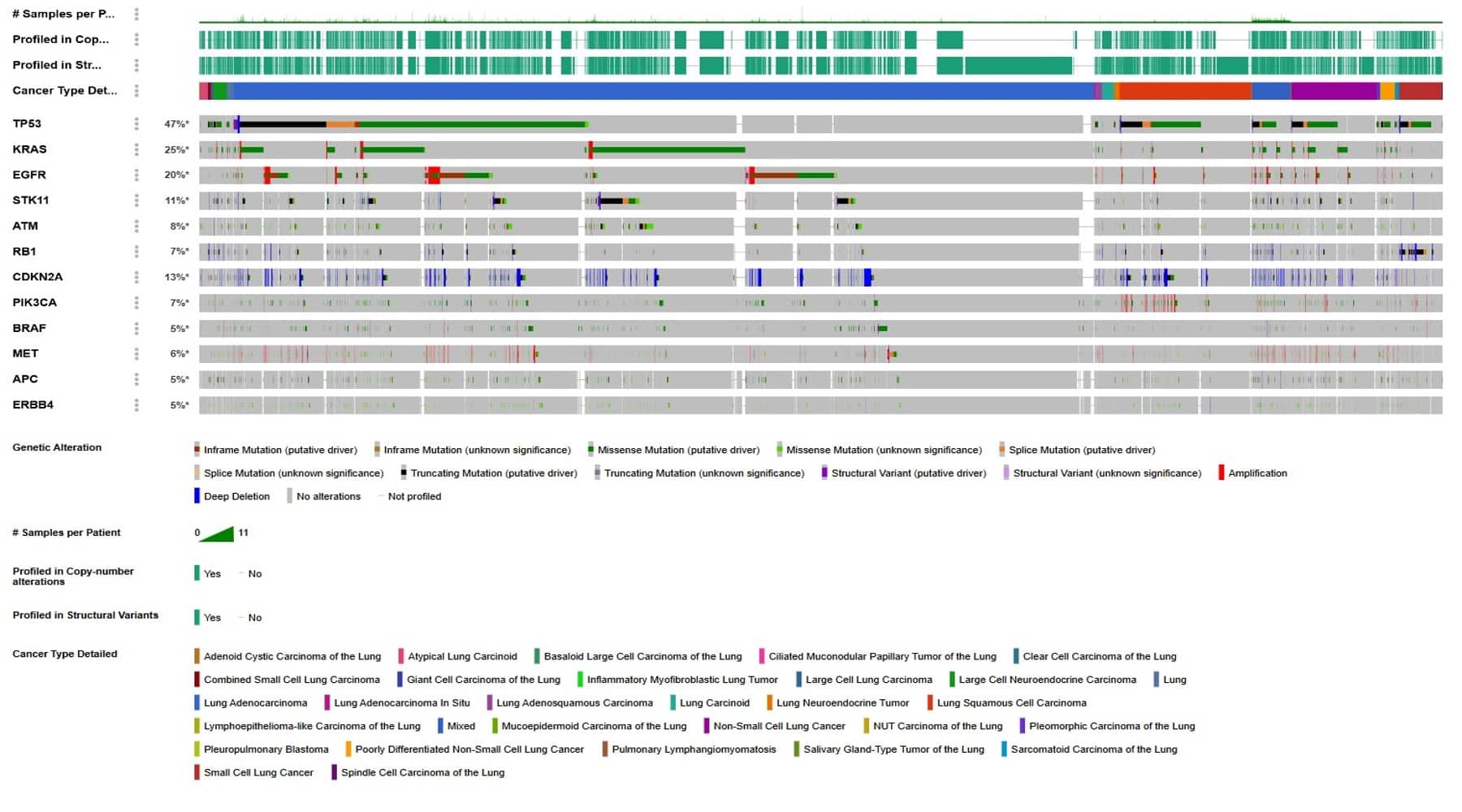
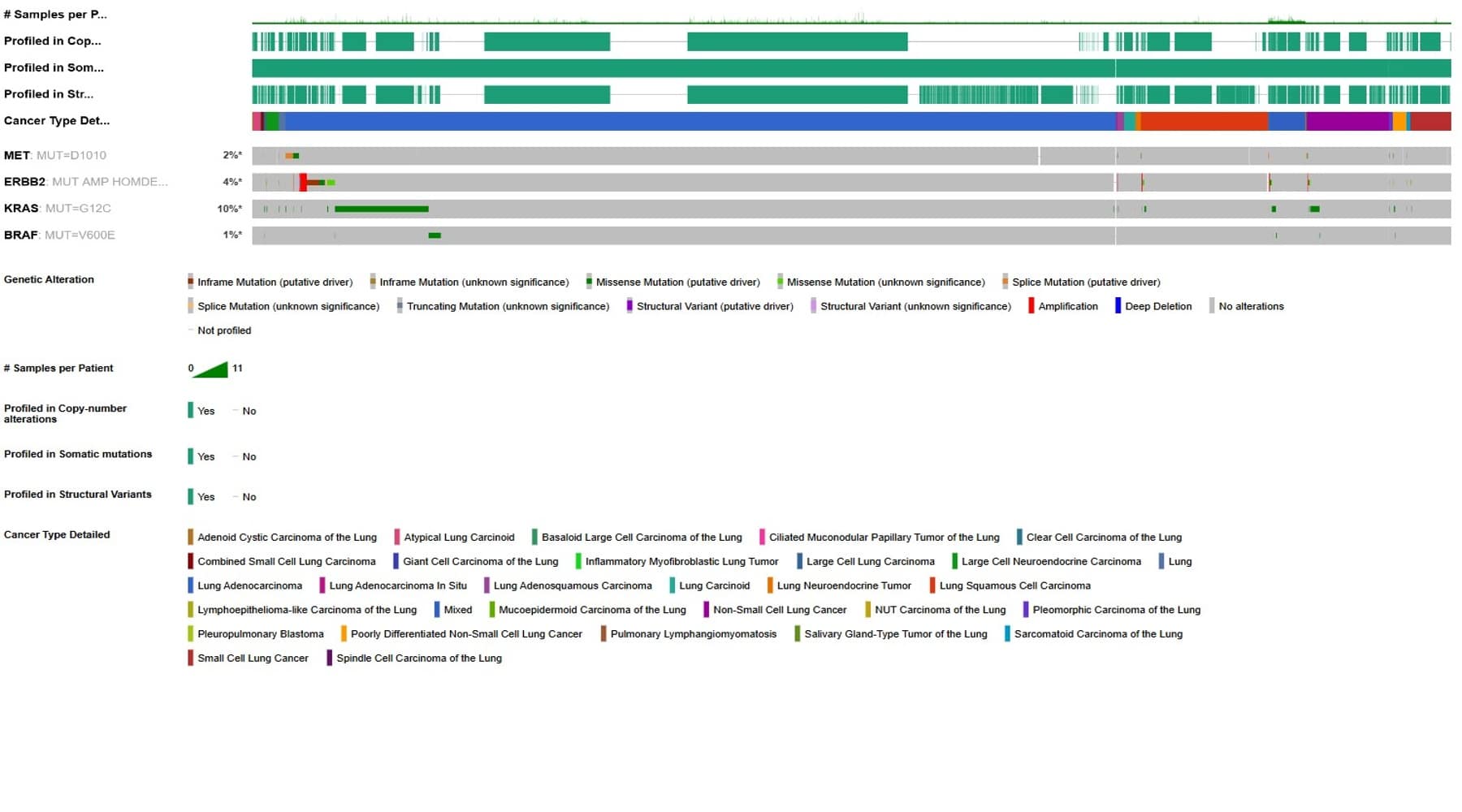
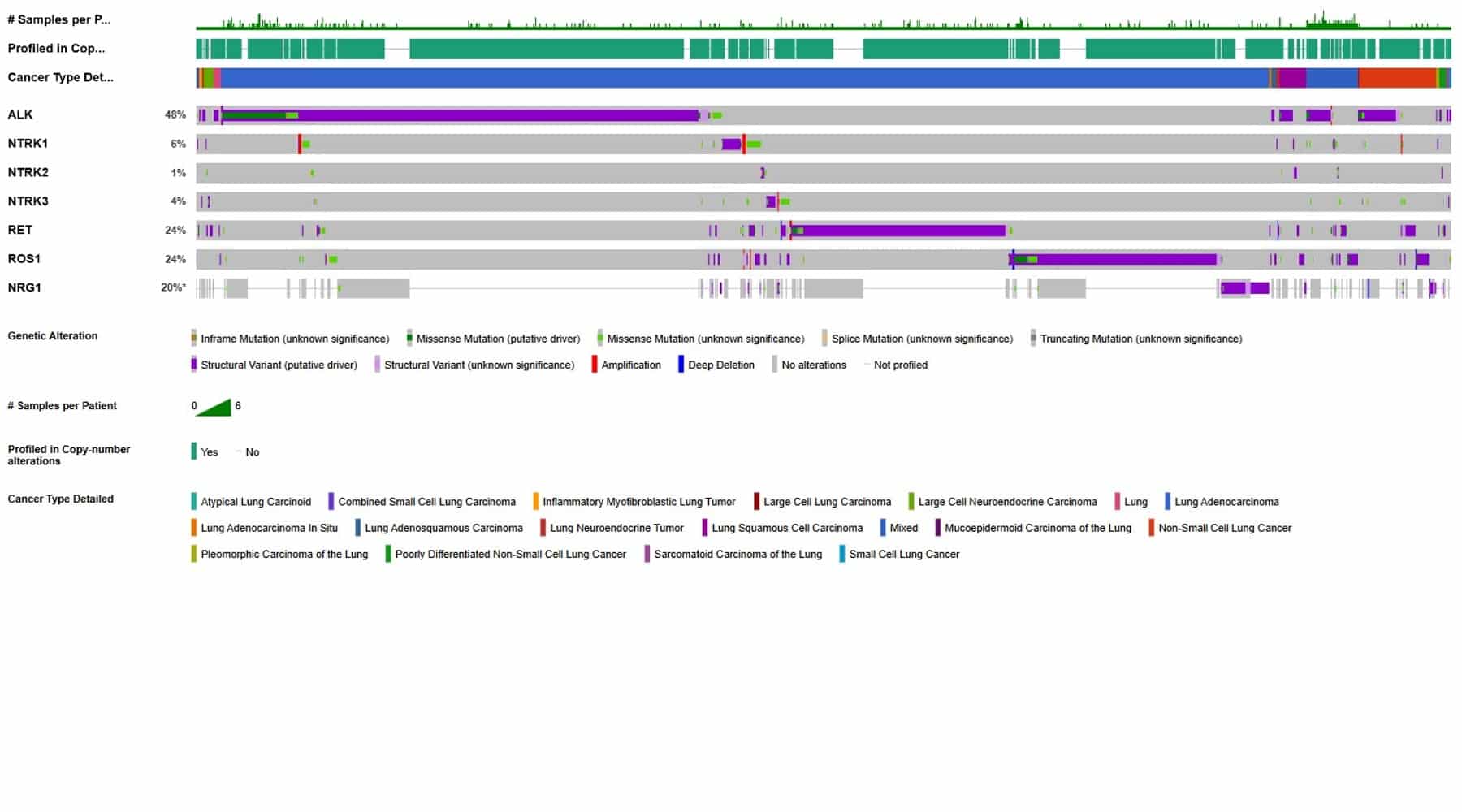
The AACR Project GENIE 18.0-public release includes genomic data from 31,812 patients and 37,763 lung cancer samples, offering researchers a high-resolution view of the evolving molecular landscape. TP53, KRAS, EGFR, and STK11 are the most frequently mutated genes among other key mutations. These data also reveal actionable alterations such as EGFR, ALK, ROS1, RET, and BRAF V600E, supporting a range of approved targeted therapies.
Explore the data on cBioPortal.
Pancreatic Cancer
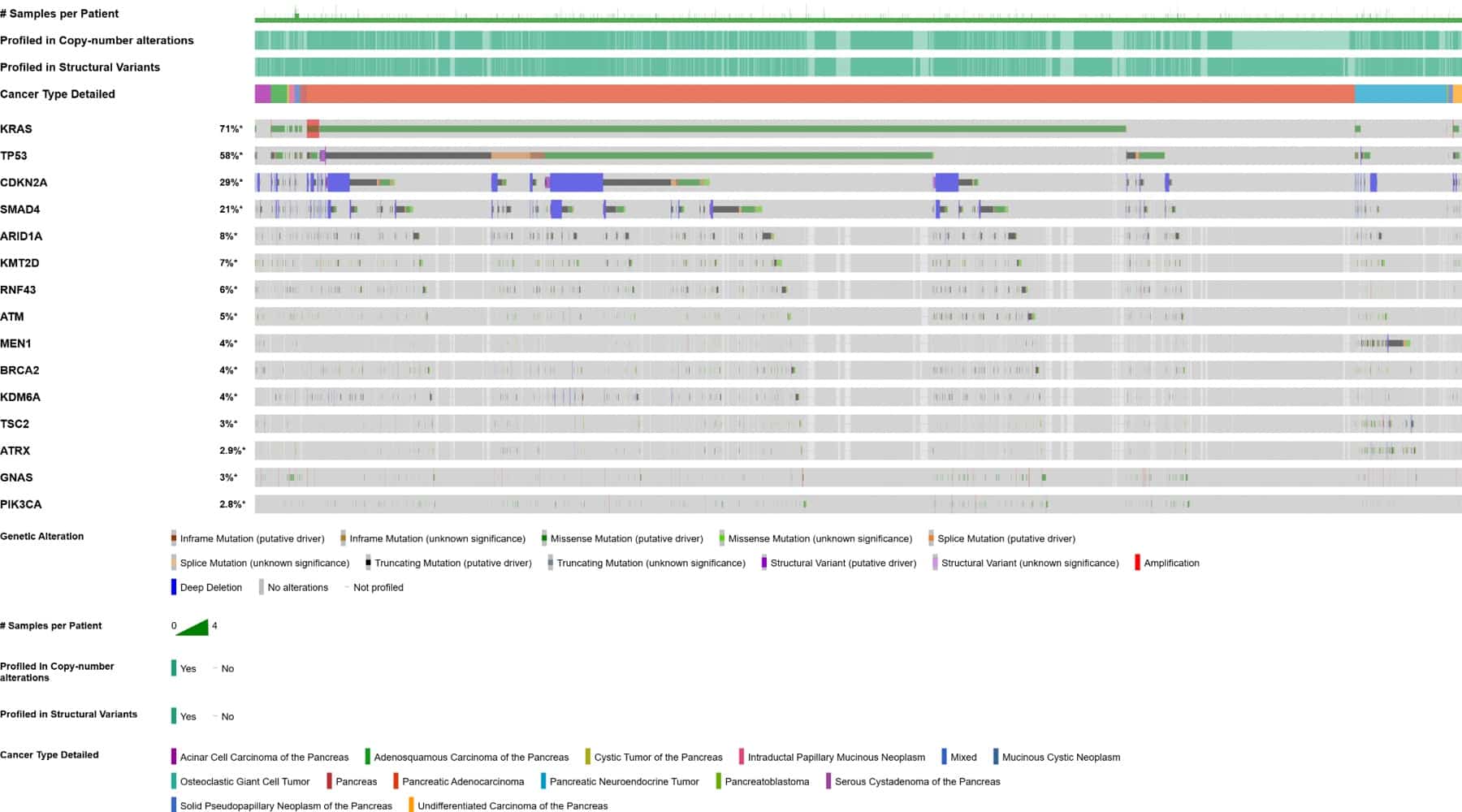
November is Pancreatic Cancer Awareness Month. Pancreatic cancer remains one of the most aggressive and challenging malignancies. In 2025, approximately 67,440 new cases are expected in the United States alone. Discoveries in BRCA‑related DNA repair defects and KRAS mutations are paving the way for new targeted and immunotherapy strategies.
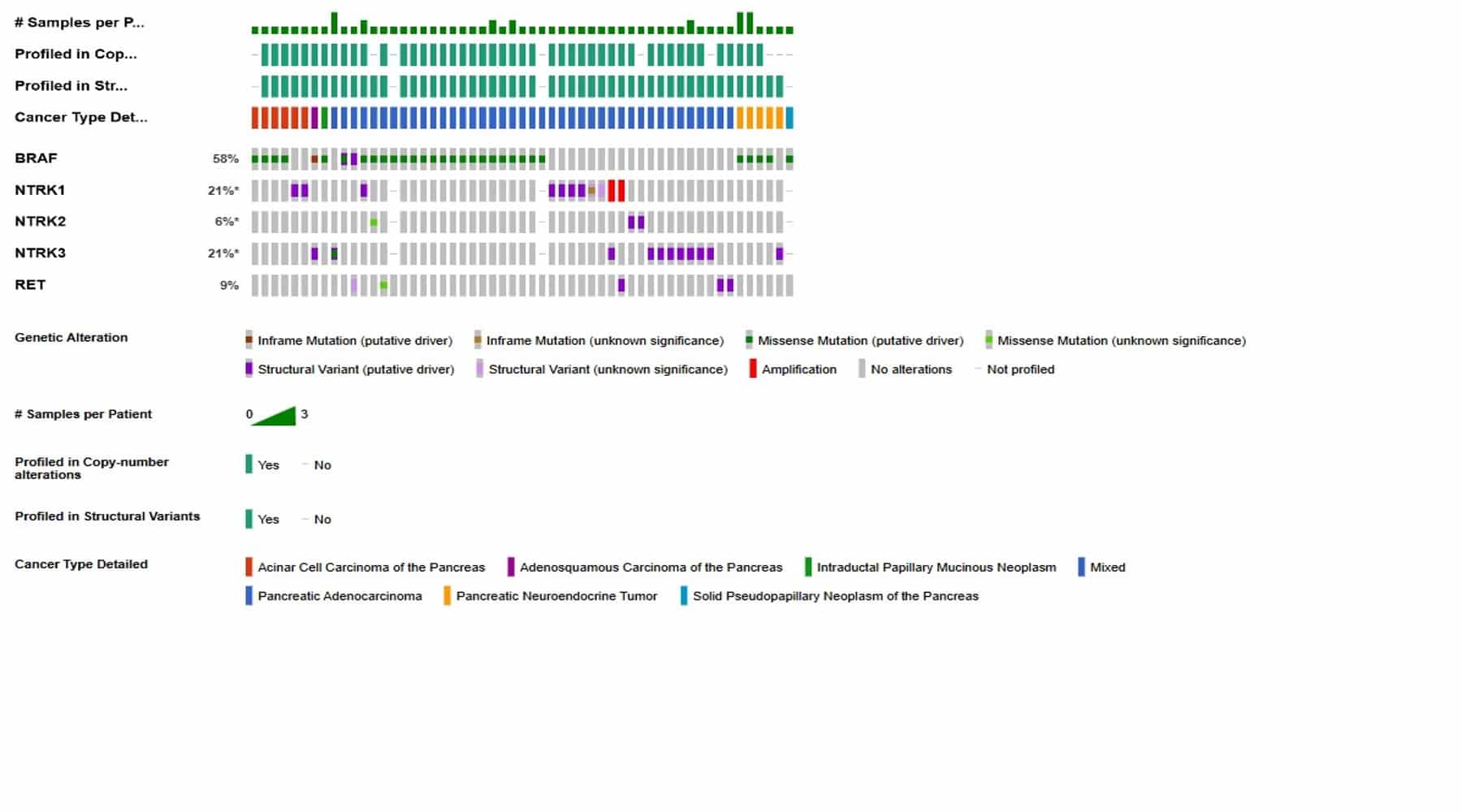
The AACR Project GENIE 18.0 public release includes genomic data from 10,227 patients and 10,684 pancreatic cancer samples, offering researchers an in-depth resource to explore key molecular drivers. KRAS, TP53, CDKN2A, and SMAD4 are the most frequently mutated genes among other key mutations. These data also highlight guideline-recognized alterations, including BRAF V600E and NTRK1/2/3 and RET fusions linked to approved targeted therapies.
Explore the data on cBioPortal
breast cancer
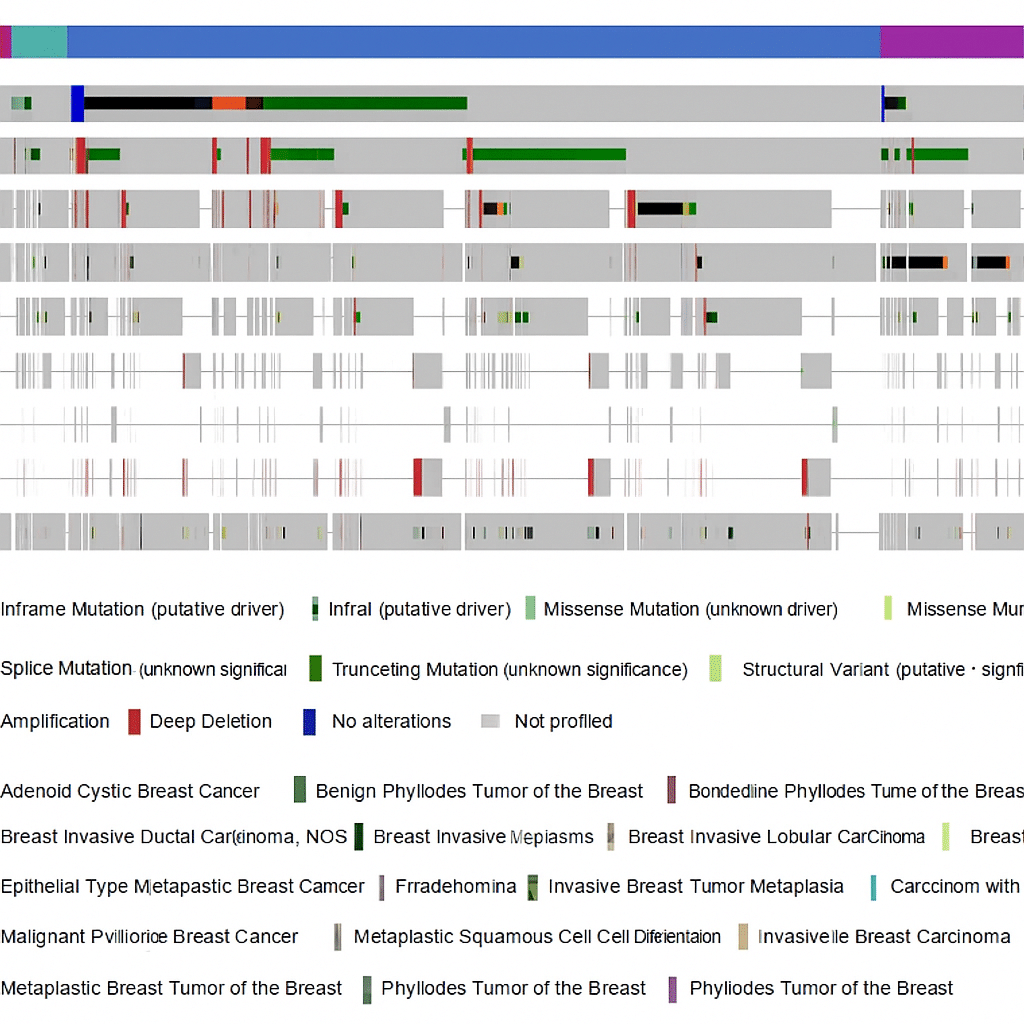
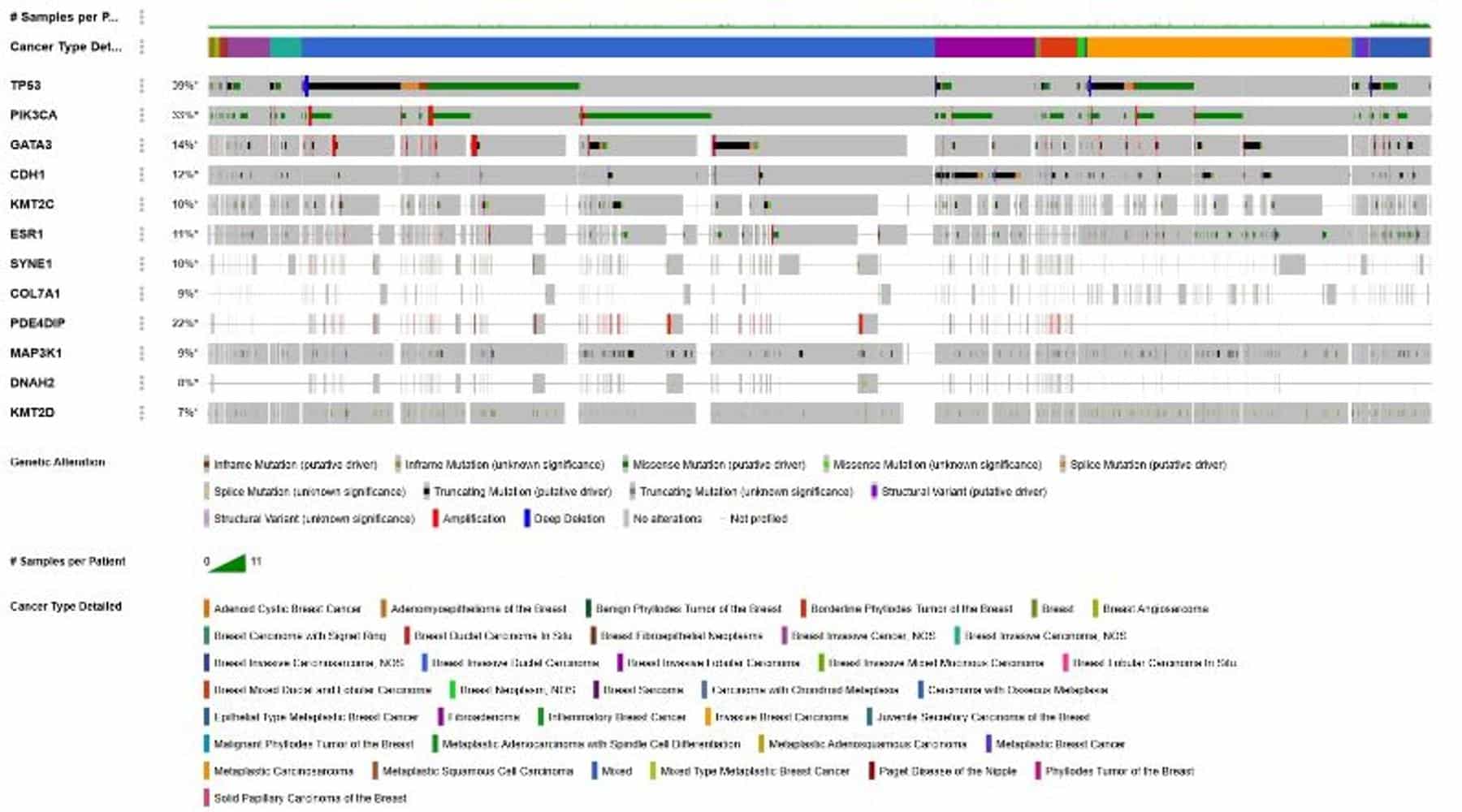
October is Breast Cancer Awareness Month, a time to come together in support of those impacted by a disease that touches 1 in 8 women in the United States during their lifetime. While it most often affects women, breast cancer can also occur in men. With hundreds of thousands of new cases each year, this month reminds us how advances in genomic sequencing and precision oncology are shaping a future of more personalized and effective breast cancer treatment.
The AACR Project GENIE 18.0-public release provides a detailed look at the genomic landscape of breast cancer, offering valuable insights. The registry includes 18,463 breast cancer patients and 21,002 samples, including 204 samples from male patients, helping to deepen our understanding of this cancer. TP53, PIK3CA, GATA3 and CDH1 are the most frequently mutated genes among other key mutations. These data highlight several clinically actionable alterations, including AKT1:E17K, BRAF:V600E, ERBB2 amplifications, NTRK and RET fusions, as well as PIK3CA, ESR1, and PTEN mutations.
Explore the data on cBioPortal.
hepatobiliary cancer
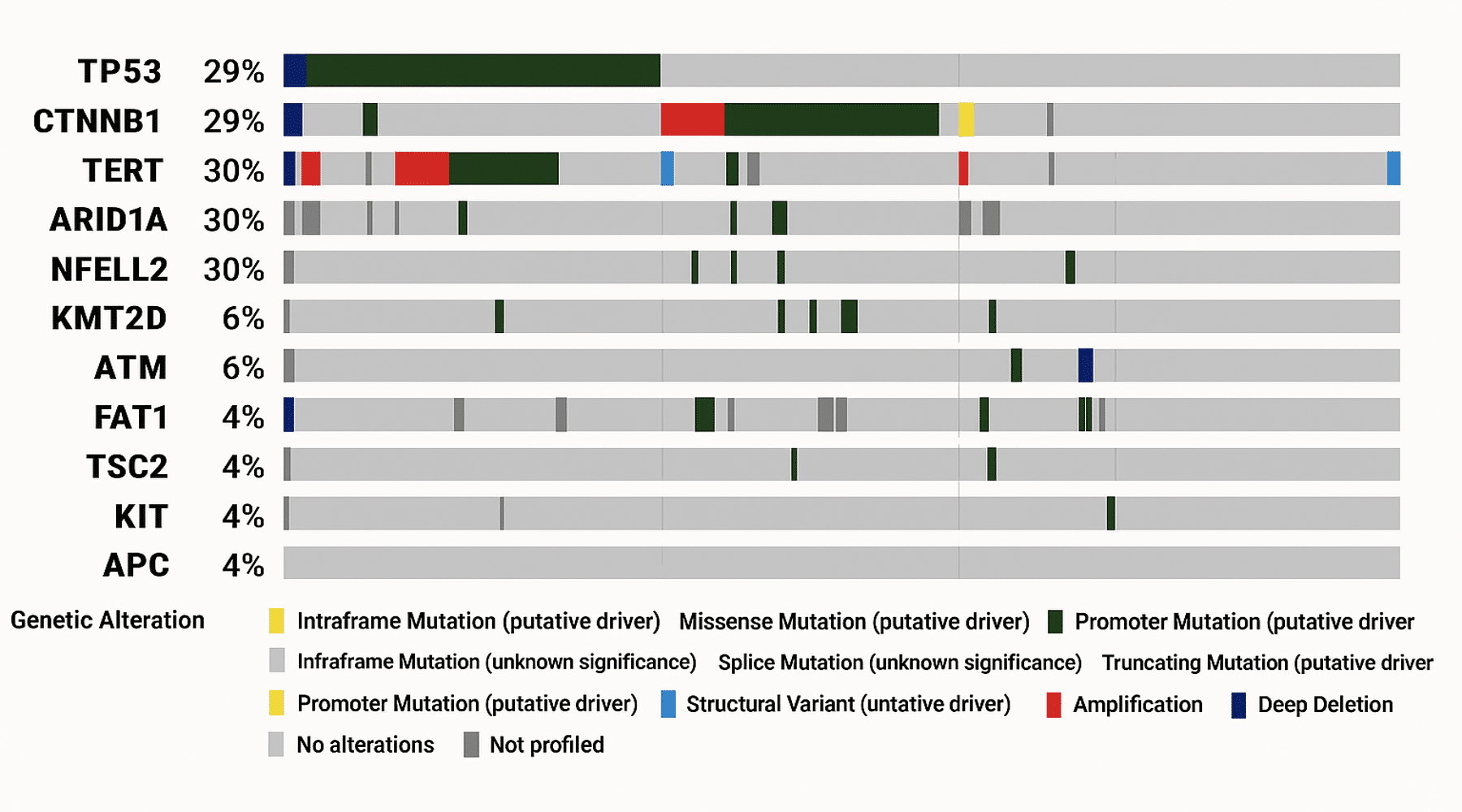
October is hepatobiliary cancer awareness month. The AACR Project GENIE 18.0 public release provides a detailed look at the genomic landscape of hepatobiliary cancers, offering valuable insights. The registry includes 1,176 patients and 1,251 samples, helping to deepen our understanding of these rare cancers. TP53, CTNNB1, TERT, ARID1A and NFE2L2 are the most frequently mutated genes among other key mutations.
Explore the data at genie.cbioportal.org.
Appendiceal cancer
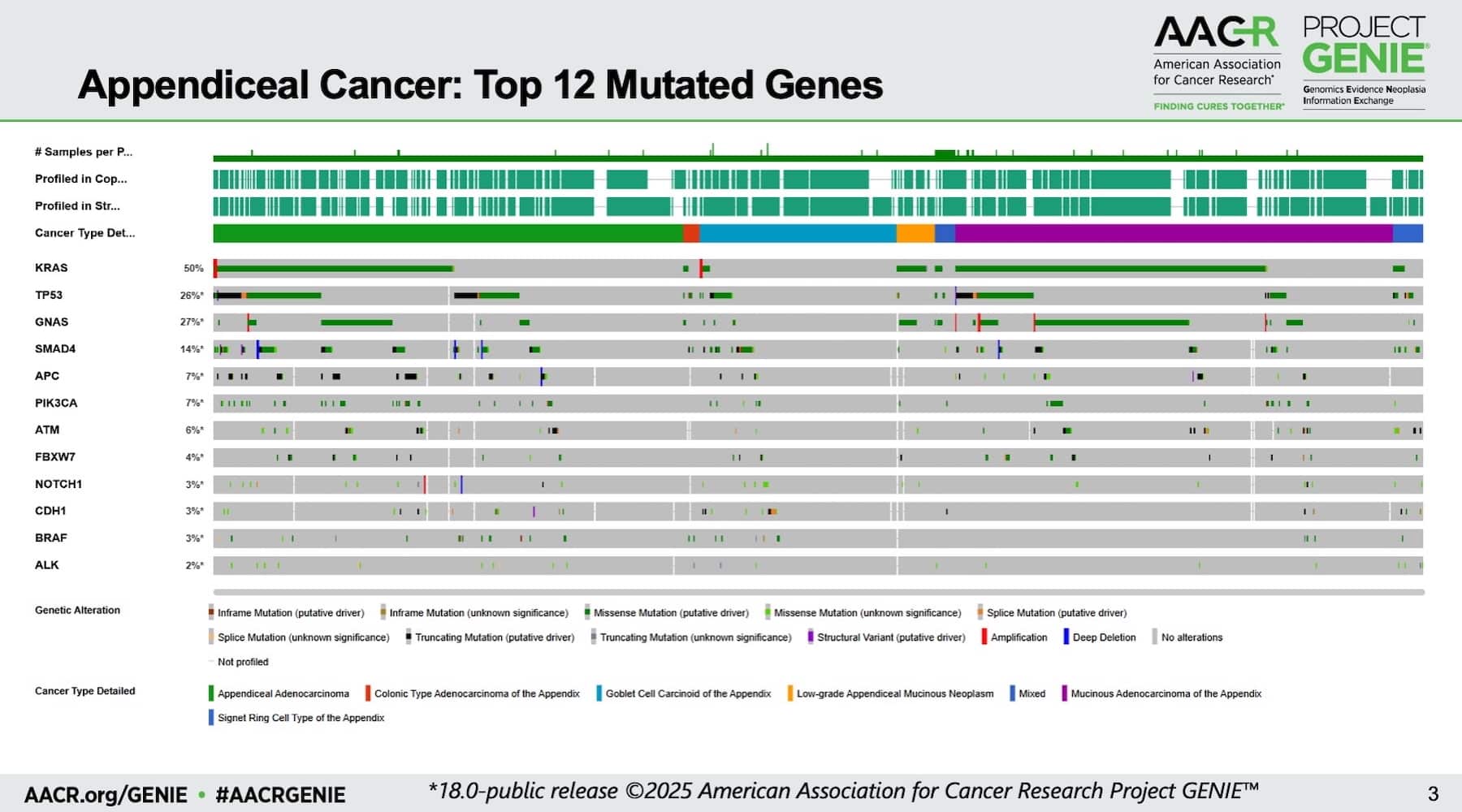
August is Appendiceal Cancer Awareness Month, a time to raise awareness about this rare malignancy that originates in the appendix. Though uncommon, appendiceal cancers are rising sharply among younger generations, especially for those born in the 1970s and 1980s, with incidence rates tripling or even quadrupling compared to earlier birth cohorts. The 18.0 public release offers a detailed view of the genomic landscape of appendiceal cancers, offering valuable insights for researchers and clinicians. The registry includes 967 appendiceal cancer patients with 1,015 NGS samples, helping to deepen our understanding of this cancer. Among the most frequently mutated genes are KRAS, TP53, GNAS, and SMAD4.
Explore the data on cBioPortal.
sarcoma and bone cancer
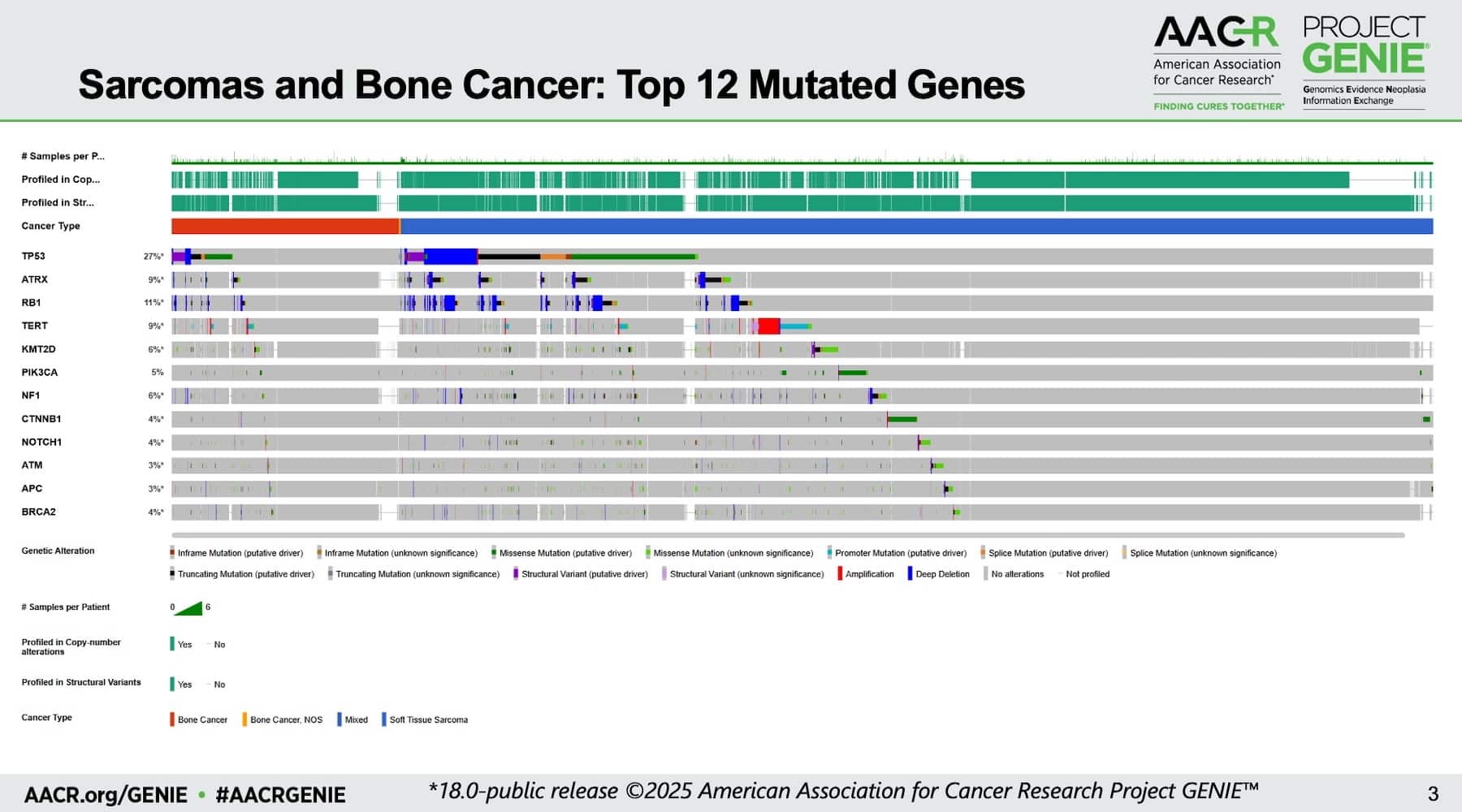
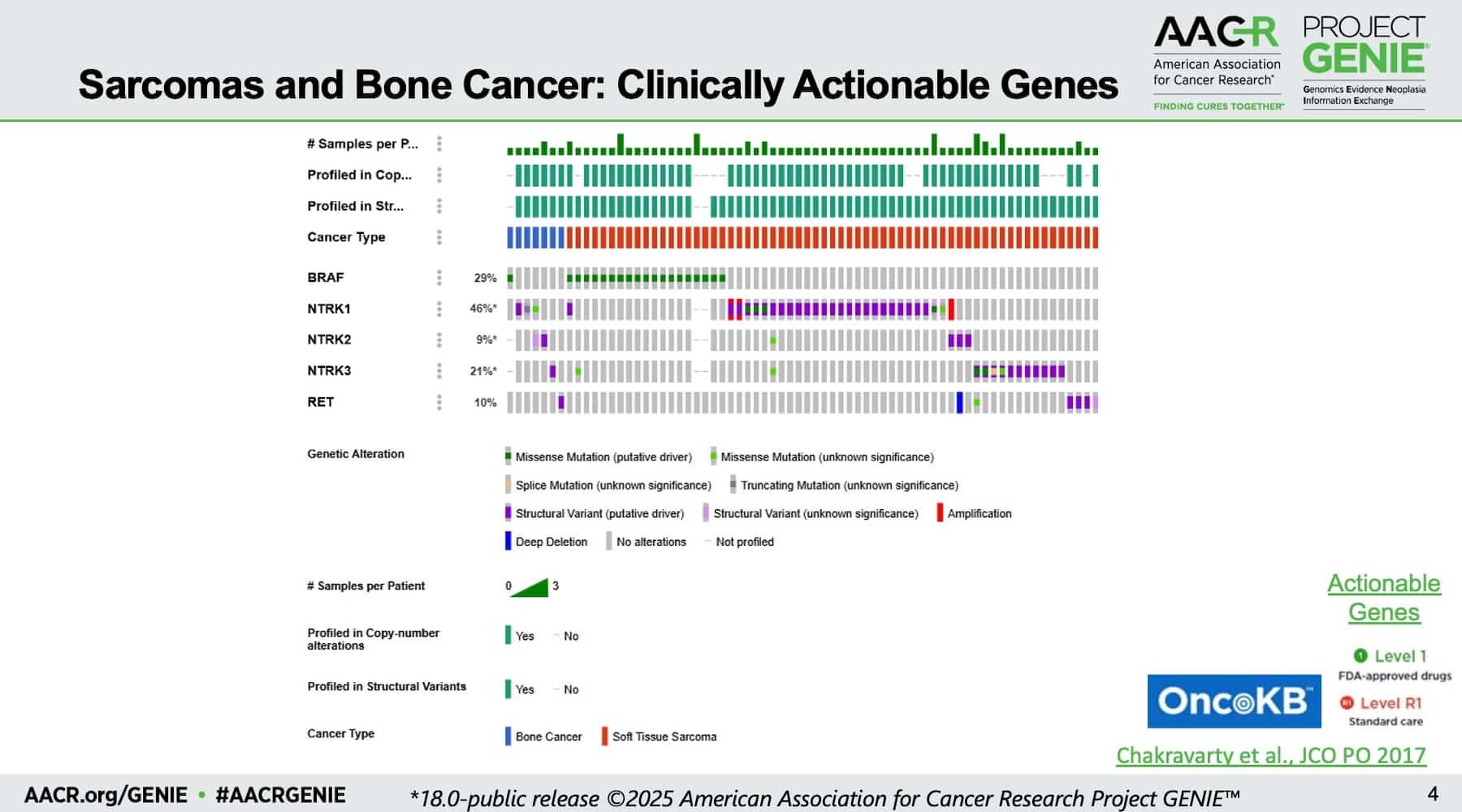
July is Sarcoma and Bone Cancer Awareness Month, a time to spotlight rare but serious cancers that affect bones and soft tissues. Sarcomas account for a small percentage of adult cancers but are often aggressive and challenging to treat. The 18.0 public release offers a detailed view of the genomic landscape of sarcomas and bone cancers, providing critical insights for researchers and clinicians. The registry includes 7,903 sarcoma and bone cancer patients with 8,703 NGS samples, helping to deepen our understanding of this cancer. TP53, ATRX, RB1, and TERT area among the most frequently mutated genes. These data also highlight several clinically actionable alterations, including the BRAF V600E mutation and fusions in NTRK1, NTRK2, NTRK3, and RET.
Explore the data on cBioPortal.
Prostate
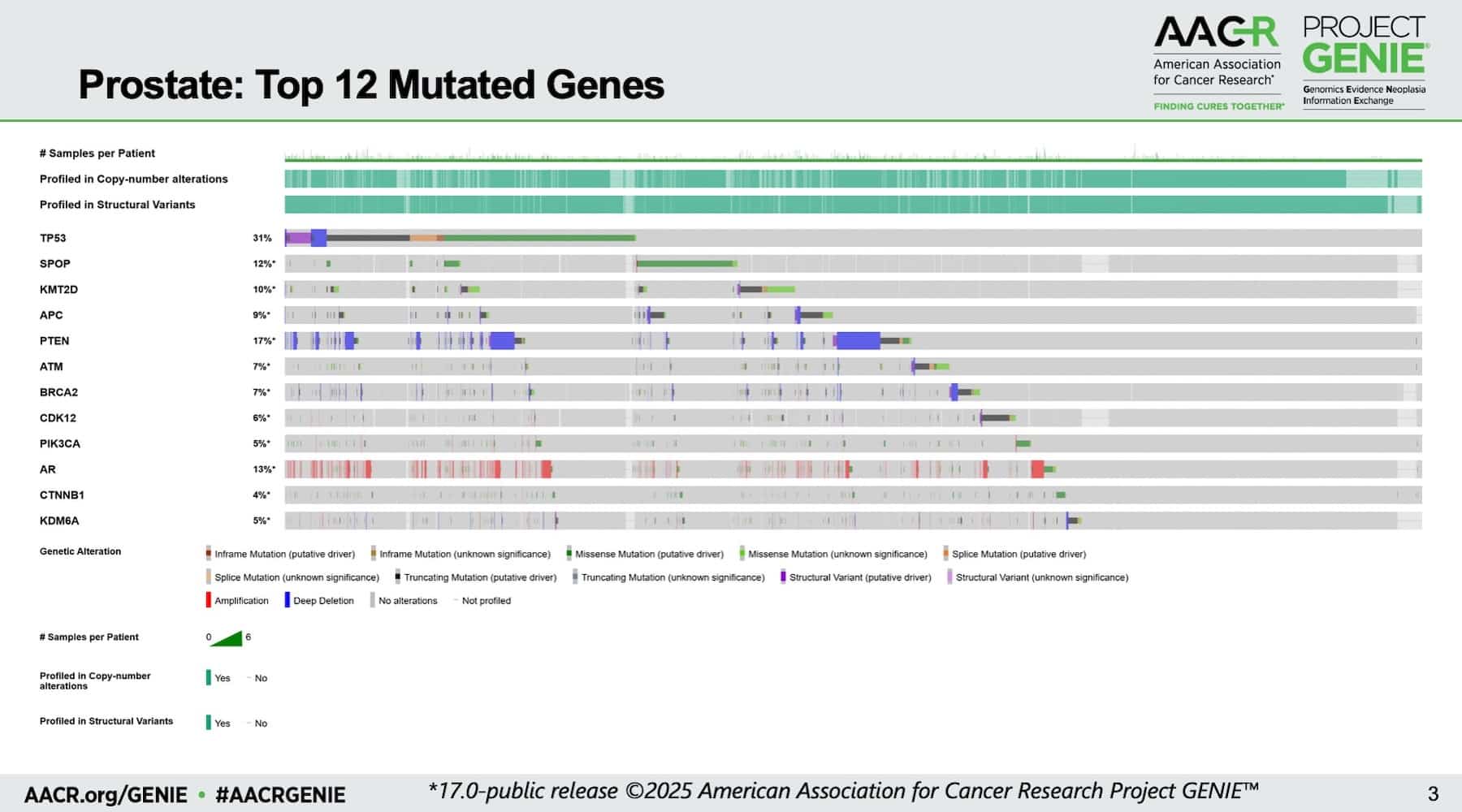
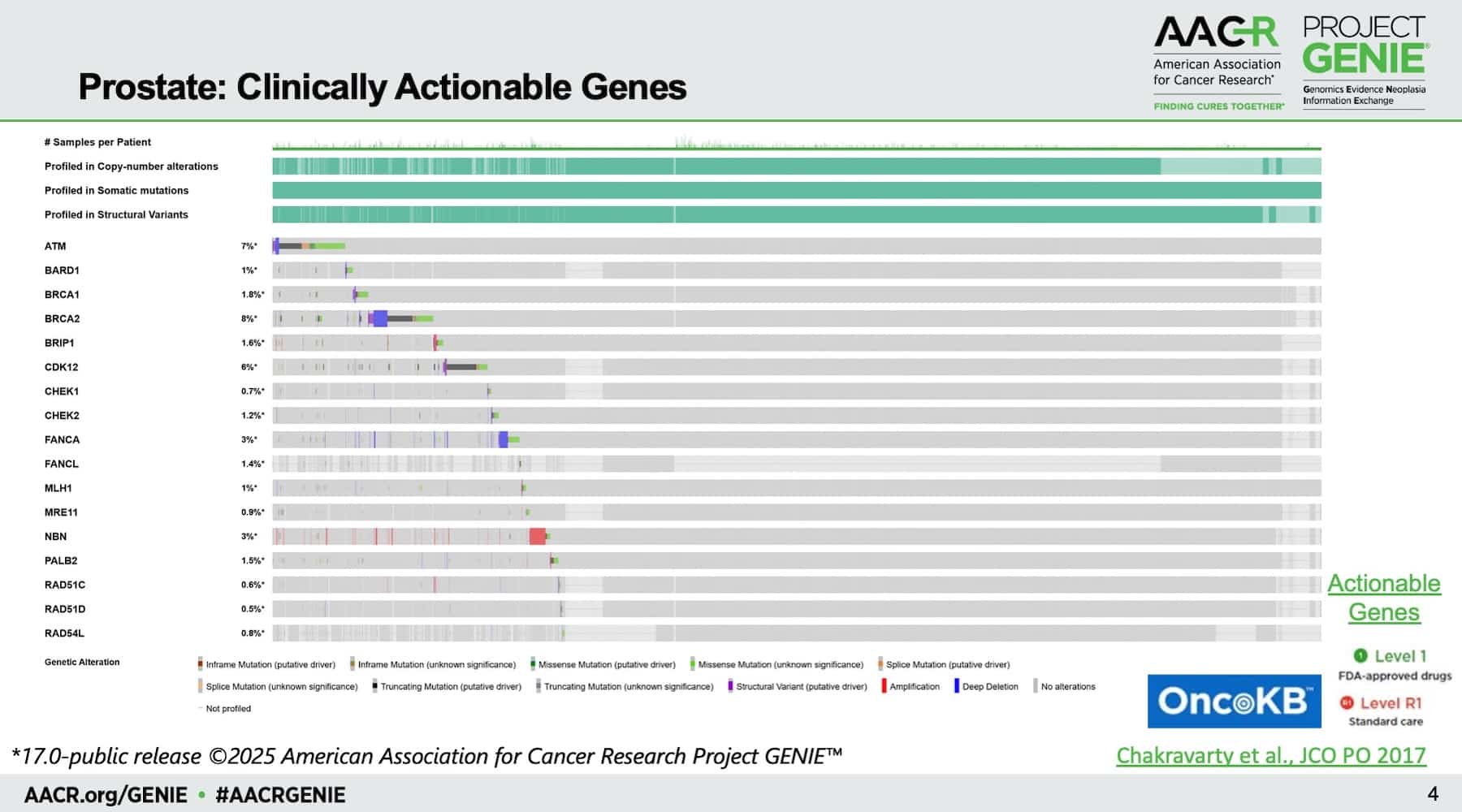
June is Men’s Health Awareness Month, a time to highlight conditions that impact men’s well-being. One of the most common is prostate cancer, with more than 300,000 new cases diagnosed each year in the United States. The 17.0 public release provides a detailed look at the genomic landscape of prostate cancer, offering valuable insights. The registry includes 6,952 prostate cancer patients and 7,649 samples, helping to deepen our understanding of this cancer. TP53, SPOP, KMT2D and APC are the most frequently mutated genes among other key mutations. These data highlight several clinically actionable alterations, including ATM, BRCA2, CDK12, FANCA, and NBN.
Explore the data on cBioPortal.
melanoma
May is Melanoma awareness month. Melanoma is a disease in which cancer cells form in the skin cells called melanocytes. Each year, approximately 105,000 new cases are diagnosed in the United States.
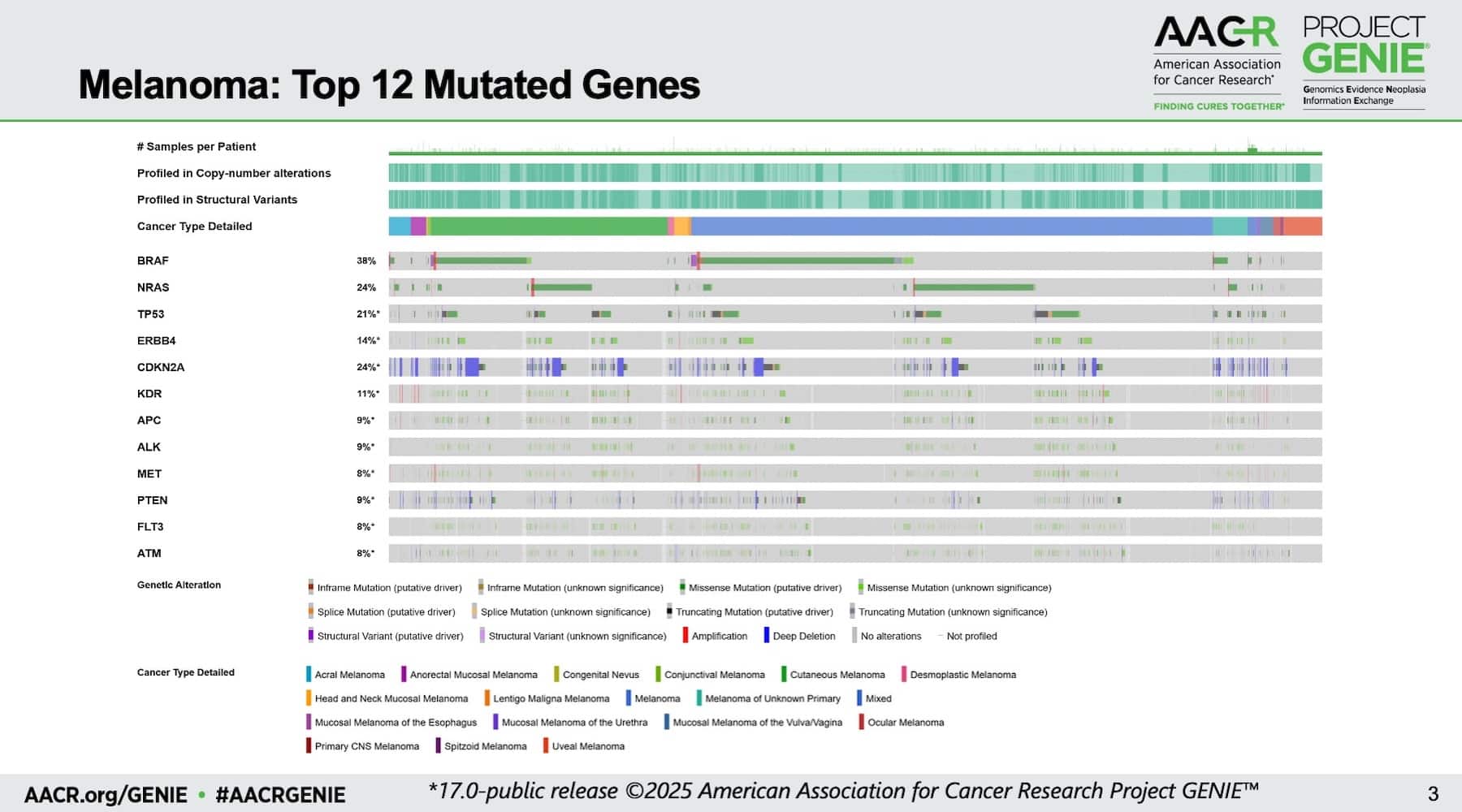
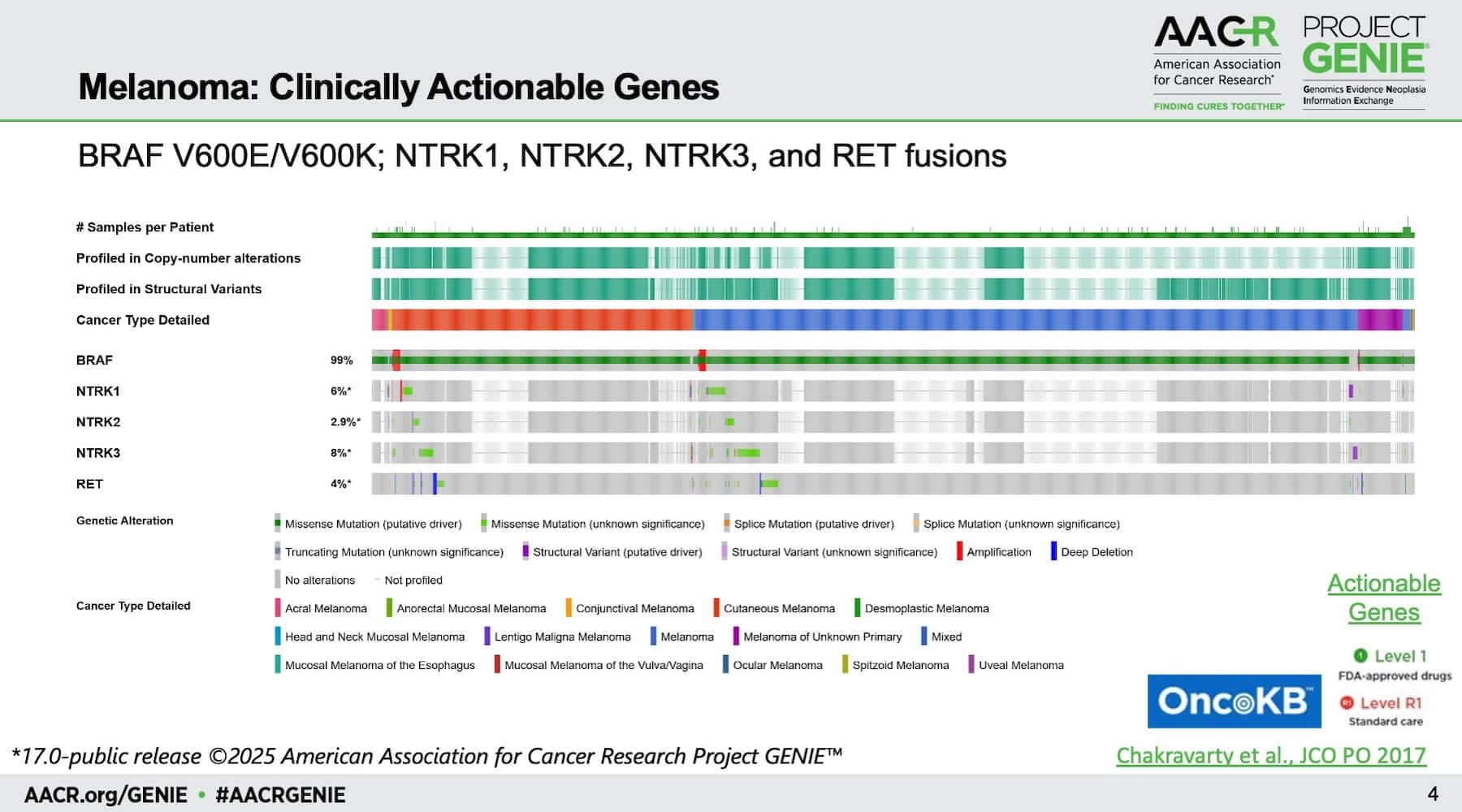
The 17.0 public release provides a detailed look at the genomic landscape of Melanoma, offering valuable insights. The registry includes 8,452 patients and 8,960 samples, helping to deepen our understanding of this cancer. BRAF, NRAS, TP53 and ERBB4 are the most frequently mutated genes among other key mutations. These data highlight several guideline recognized alterations, including BRAF V600E/V600K, NTRK1, NTRK2, NTRK3, and RET fusions.
Explore the data on cBioPortal.
Kidney Cancer
March is kidney cancer awareness month. Kidney cancer is the 7th most common cancer diagnosed
in the United States with more than new 81,000 cases each year.
The 17.0 public release provides a detailed look at the genomic landscape of Kidney
Cancer, offering valuable insights. The registry includes 3,174 patients and 3,379 samples, helping to
deepen our understanding of this cancer. VHL, PBRM1, SETD2, and BAP1 are the most frequently
mutated genes among other key mutations.
Explore the data on cBioPortal.

Colorectal
March is Colorectal awareness month. As highlighted in a recent blog post, new advances are being made in the use of vaccines for treatment of this disease.
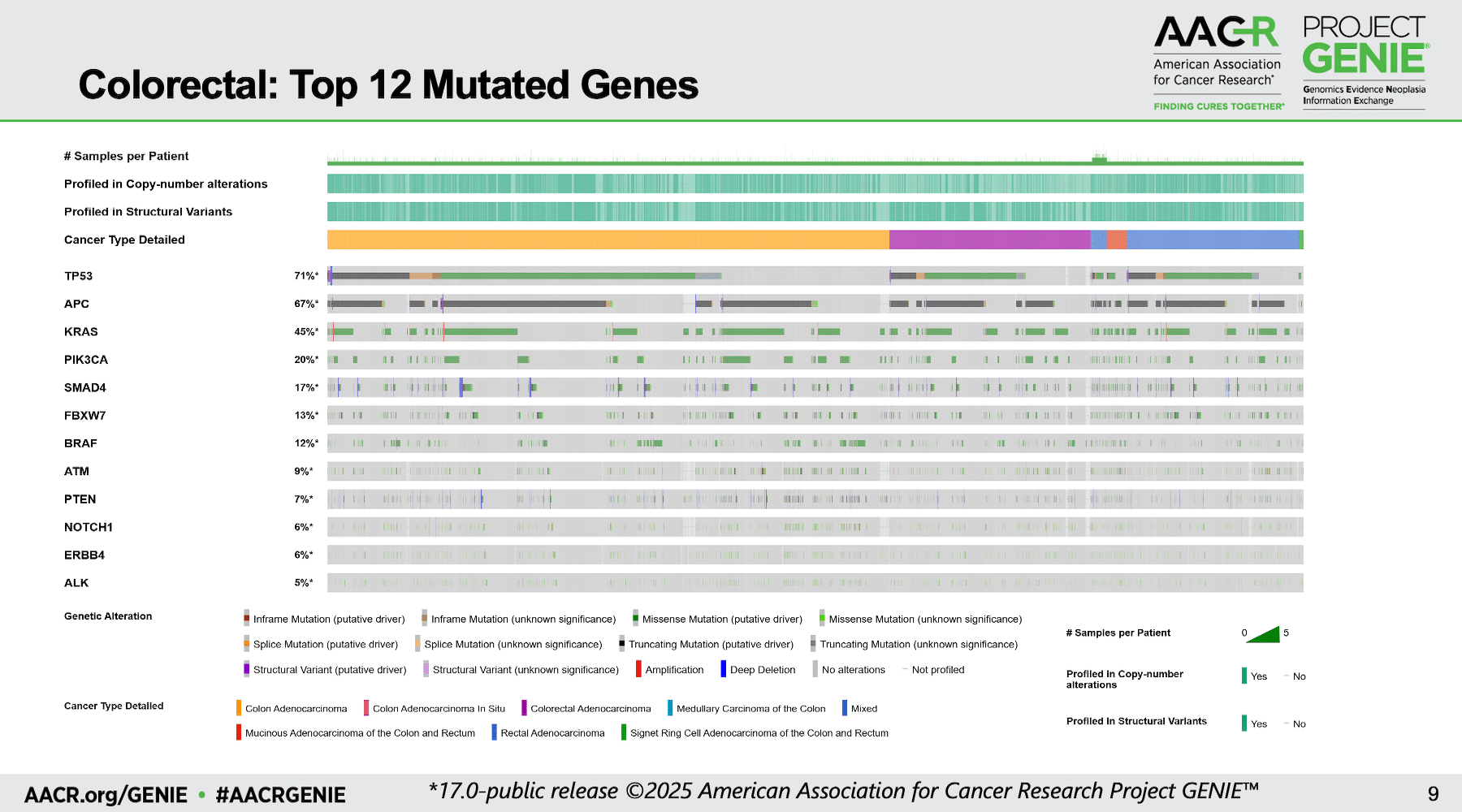
The 17.0 public release provides a detailed look at the genomic landscape of colorectal cancer, offering valuable insights. The registry includes 19,544 patients and 20,599 samples, helping to deepen our understanding of this cancer. TP53, APC, KRAS and PIK3CA are the most frequently mutated genes among other key mutations.
These data highlight several clinically actionable alterations, including BRAF V600E and KRAS G12C mutations, ERBB2 amplification, as well as NTRK1, NTRK2, NTRK3, and RET fusions.
In addition, the BioPharma Collaborative (BPC) Colorectal 2.0-public cohort contains deep clinical annotation on 1,485 patients and 1,551 samples from the main GENIE registry.
The BPC CRC 2.0-public release includes genomic data (NGS, 2014–2018), treatment histories (systemic therapies with timing intervals), and real-world outcomes via PRISSMM™. It captures pathology, imaging, and medical oncology evaluations to assess disease status and progression-free survival. Additional biomarkers (e.g., PDL1, MSI, MMR) are also included. More details can be found on the BPC CRC 2.0-public webpage and with dataset overview documentation.
Explore the GENIE colorectal data on cBioPortal:
cBioPortal CRC 17.0-public
cBioPortal BPC CRC 2.0-public

Multiple MyelomA
March is Multiple Myeloma awareness month. Multiple Myeloma is a cancer of plasma cells found within the bone marrow. Each year, approximately 36,000 new cases are diagnosed in the United States. As discussed in a recent blog post, ongoing advancements in treatment and research are leading to improved patient outcomes, with innovative therapies like CAR T-cell treatments and bispecific engagers offering more personalized and effective regimens.
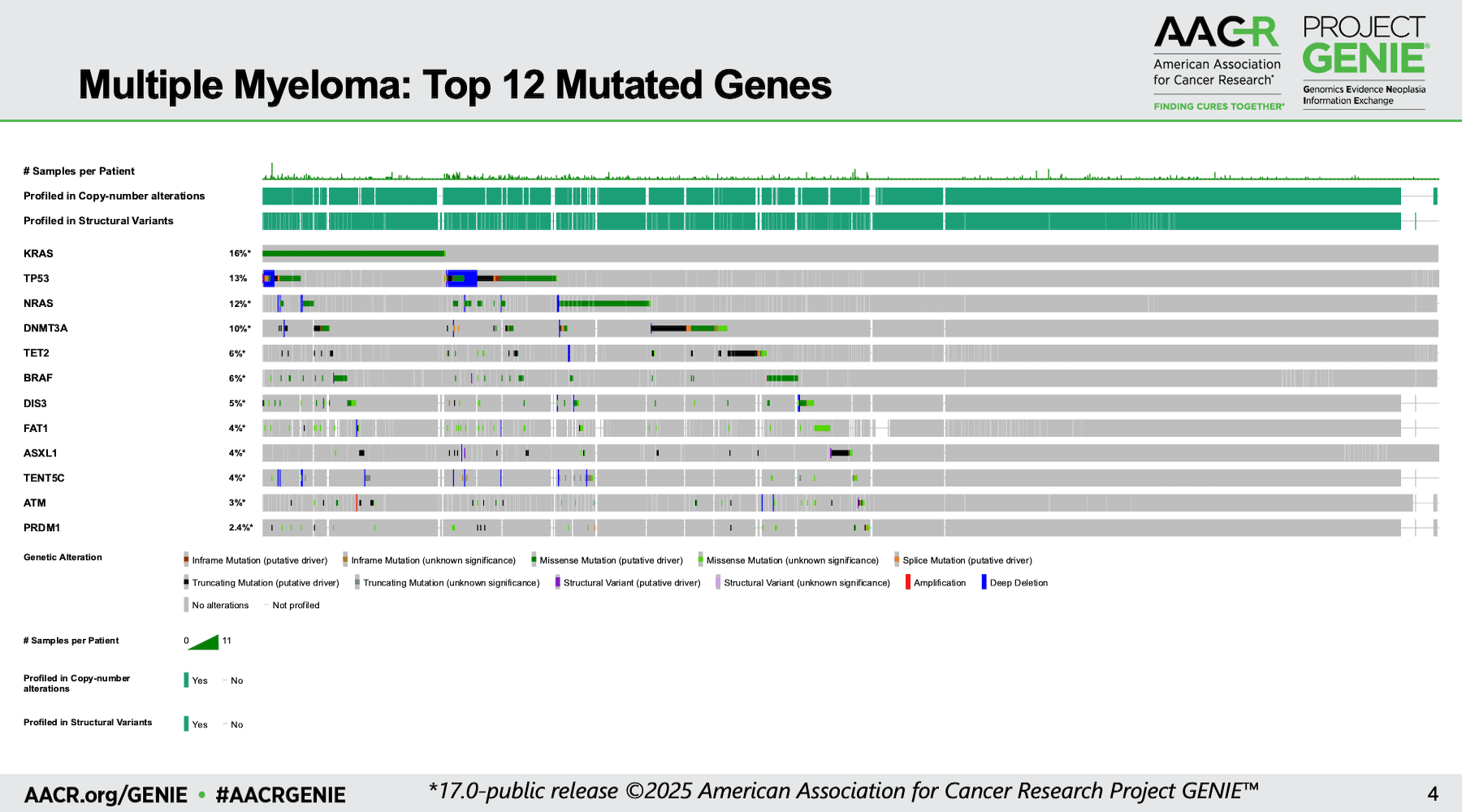
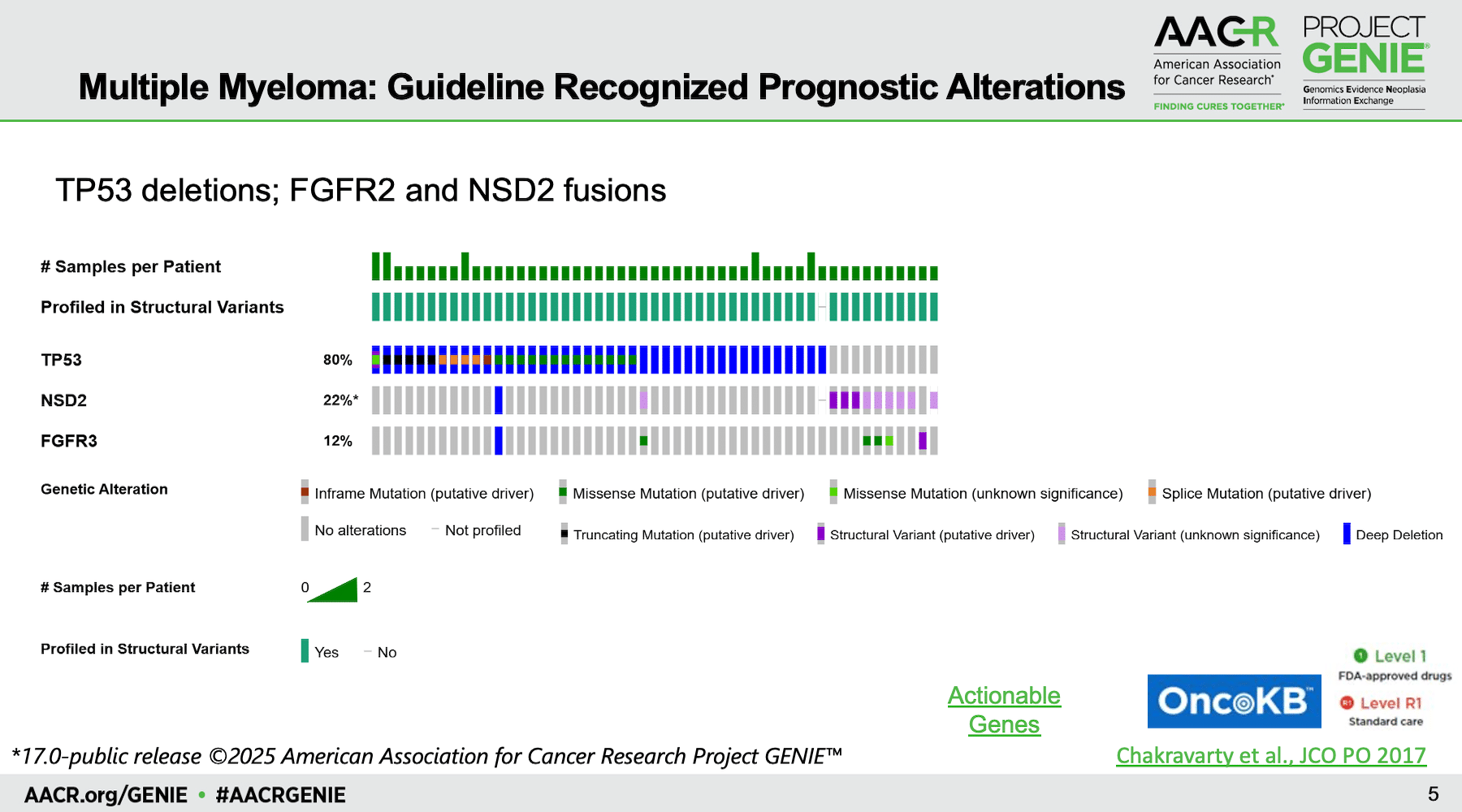
The 17.0 public release provides a detailed look at the genomic landscape of Multiple Myeloma, offering valuable insights. The registry includes 1,167 patients and 1,548 samples, helping to deepen our understanding of this cancer. KRAS, TP53, NRAS, and DNMT3A are the most frequently mutated genes among other key mutations. The data below highlight several guideline recognized alterations, including the TP53 deletions as well as FGFR3 and NSD2 fusions.
Explore the Multiple Myeloma data on cBioPortal.
Gall Bladder
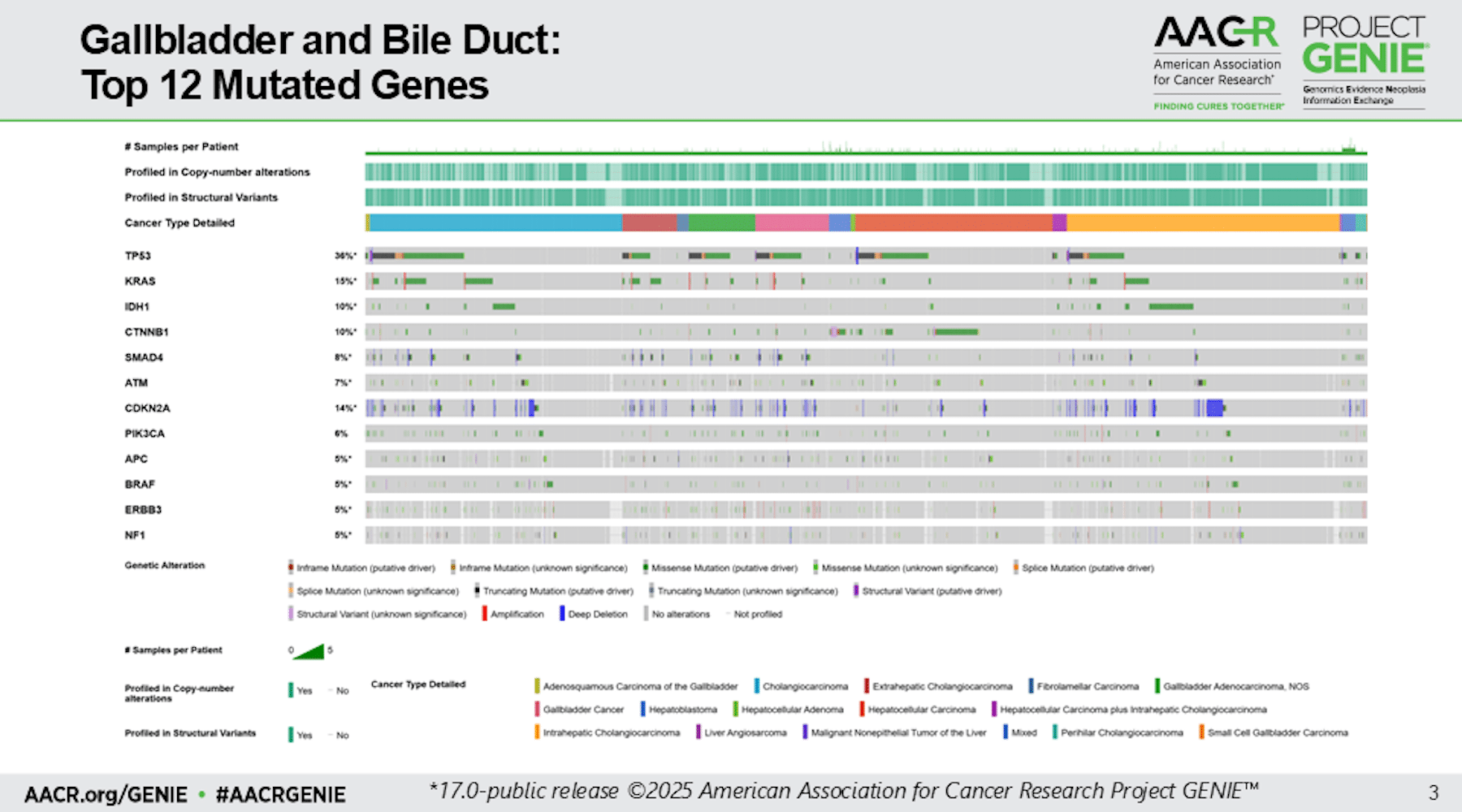
February is gallbladder and bile duct cancer awareness month. As highlighted in a recent blogpost, new advances are being made in the treatment of these rare diseases. The 17.0 public release provides a detailed look at the genomic landscape of gallbladder and bile duct cancers, offering valuable insights. The registry includes 4,416 patients and 4,625 samples, helping to deepen our understanding of these rare cancers. TP53, KRAS, IDH1, CTNNB1, and SMAD4 are the most frequently mutated genes among other key mutations.
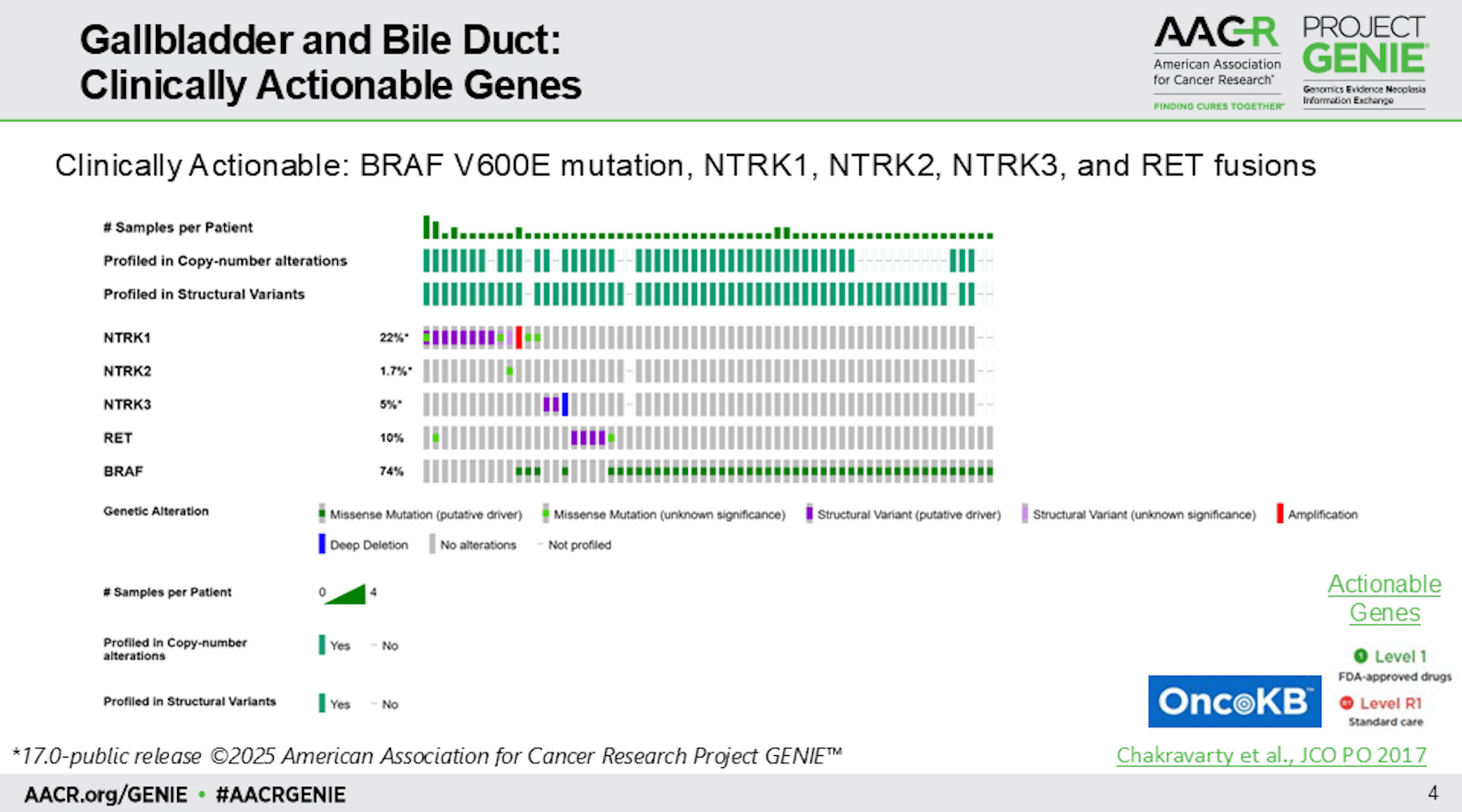
The data below highlight several clinically actionable alterations, including the BRAF V600E mutation and fusions in NTRK1, NTRK2, NTRK3, and RET.
You can explore Project GENIE’s hepatobiliary data at genie.cbioportal.org.