New Treatment for Basal Cell Carcinoma
Aminolevulinic acid hydrochloride is given as a topical gel in combination with light-based therapy.
The U.S. Food and Drug Administration (FDA) has approved aminolevulinic acid hydrochloride (Ameluz) for the treatment of superficial basal cell carcinoma in adult patients. Aminolevulinic acid hydrochloride is administered as a topical gel in combination with photodynamic therapy (PDT), a form of localized cancer therapy that uses a drug activated by light to kill cancer cells.
Aminolevulinic acid hydrochloride is converted within the cells to a compound called protoporphyrin IX, which can build up in cancer cells due to their altered metabolism. Exposure to light of the appropriate wavelength using the BF-RhodoLED or RhodoLED XL lamp activates protoporphyrin IX to produce reactive oxygen species, which are toxic to the targeted cancer cells.
This is the first approval of PDT using aminolevulinic acid hydrochloride for skin cancer. A gel containing aminolevulinic acid hydrochloride was previously approved for PDT of actinic keratosis, a precancerous skin lesion; the molecule was also used as an oral optical imaging drug given before brain surgery to help visualize malignant glioma tumor cells by making them glow under blue light.
The approval of aminolevulinic acid hydrochloride for superficial basal cell carcinoma was based on results from a multicenter, randomized, double-blind, vehicle-controlled phase III trial, in which patients were randomly assigned (4:1) to have their lesions treated with a gel containing the drug or placebo.
Twelve weeks after the start of the last PDT cycle, 145 (66%) of the patients treated with aminolevulinic acid hydrochloride plus PDT had no signs of cancer found through physical exams and scans nor through microscopic examination of resected tissue (defined as clinical and histological complete response, respectively). Among those treated with placebo plus PDT, 45 patients (5%) had no signs of cancer.
The aminolevulinic acid hydrochloride (10%) gel is applied by a health care provider as part of PDT.
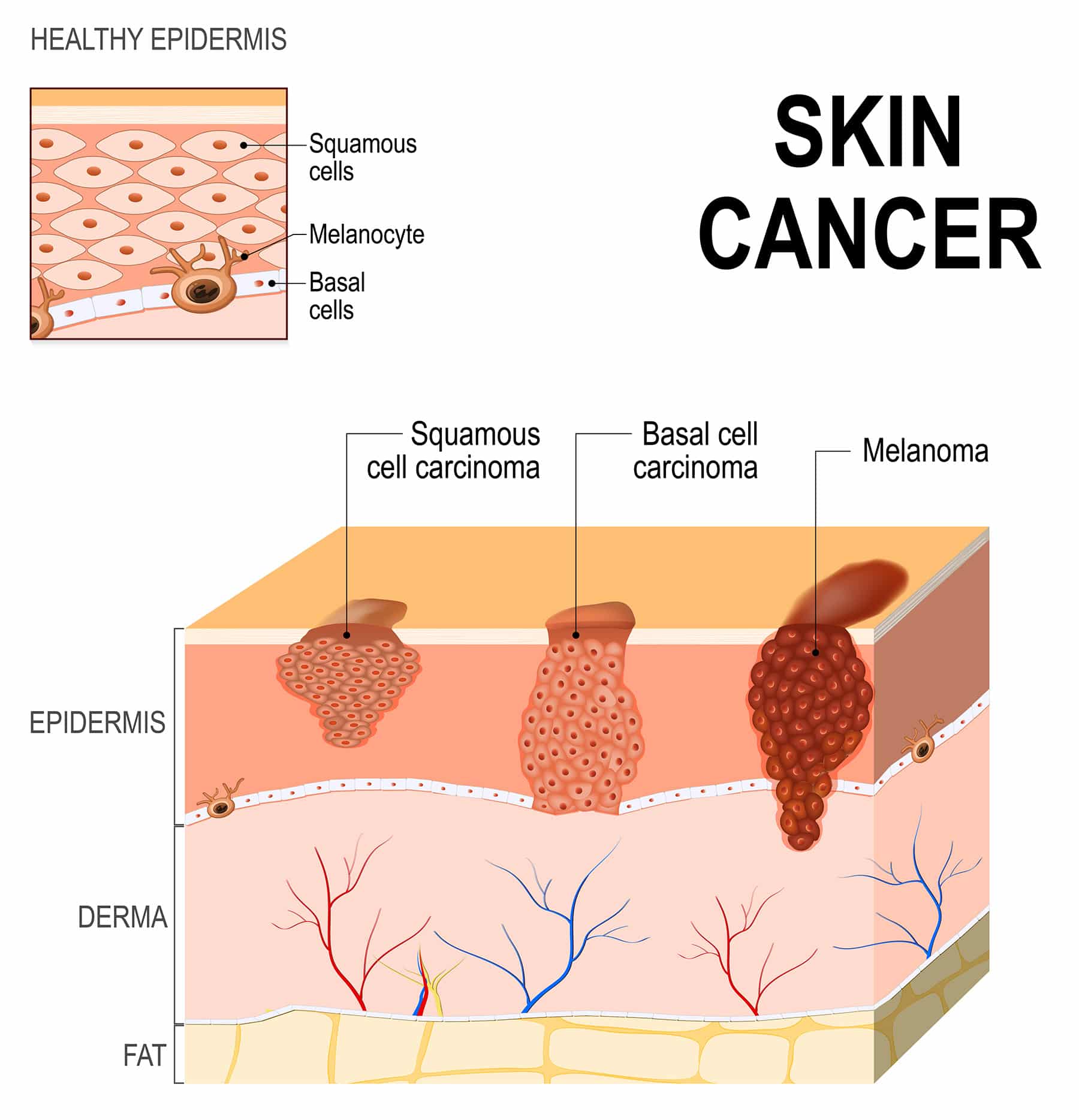
Basal cell carcinoma is the most common type of nonmelanoma skin cancer. It forms in the lower part of the outer layer of the skin, called the epidermis, and usually occurs in areas of the body that are exposed to the sun. Superficial basal cell carcinoma is a specific flat subtype of basal cell carcinoma. According to one estimate, nonmelanoma skin cancers affect more than 6 million individuals each year in the United States.
The FDA rendered its decision on September 14, 2026. Check this resource for updated information on all therapeutics regulated by the FDA.