Immunotherapy, Alone and With Chemotherapy, Approved for Anal Cancer
The FDA has approved retifanlimab-dlwr, both alone and in combination with chemotherapy, for certain patients with anal squamous cell carcinoma.
The U.S. Food and Drug Administration (FDA) has approved retifanlimab-dlwr (Zynyz) for patients with locally recurrent or metastatic squamous cell carcinoma of the anal canal (SCAC), either in combination with chemotherapy as first-line treatment for patients with inoperable SCAC or as a single-agent for patients who have had disease progression on or intolerance to prior chemotherapy.
Retifanlimab-dlwr is a type of immunotherapy called an immune checkpoint inhibitor that can block suppressive signals from shutting down T cells and allow them to remain active against tumors.
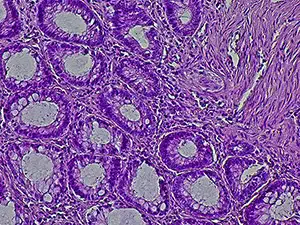
The approval of retifanlimab-dlwr with chemotherapy is based on results from the randomized, multicenter, double-blind phase III POD1UM-303/InterAACT 2 trial, which included 308 patients with unresectable, locally recurrent or metastatic SCAC that had not previously been treated with chemotherapy. Patients in both arms of the trial were treated with carboplatin-paclitaxel, and were randomly assigned (1:1) to also receive retifanlimab-dlwr or placebo.
Patients treated with retifanlimab-dlwr plus chemotherapy were 37% less likely to experience disease progression compared with those treated with chemotherapy alone. Half of the patients who received the combination lived at least 9.3 months without progression versus 7.4 months in placebo-treated patients.
The approval of single-agent retifanlimab-dlwr is based on results from the open-label, multicenter, single-arm phase II POD1UM-202 trial, which involved 94 patients with locally recurrent or metastatic SCAC who had disease progression on or intolerance to platinum-based chemotherapy. Fourteen percent of evaluable patients experienced tumor responses to retifanlimab-dlwr, with half of responses lasting at least 9.5 months.
The recommended dose for retifanlimab-dlwr—500 mg every four weeks until disease progression or unacceptable toxicity—is the same for the combination and monotherapy regimens. However, single-agent treatment can continue for up to two years, whereas retifanlimab-dlwr treatment in combination with chemotherapy can only continue for one year.
Primarily caused by human papilloma virus infection, SCAC is the most common form of anal cancer. According to federal statistics, it was estimated that 10,930 individuals would be diagnosed with anal cancer and approximately 2,030 patients would die of the disease in the United States in 2025.
The FDA rendered its decision on May 15, 2025. Check this resource for updated information on all therapeutics regulated by the FDA.