Oncolytic Viral Therapy Combination Approved for Advanced Melanoma
Vusolimogene oderparepvec-wtpg and nivolumab earned accelerated approval to treat patients with advanced melanoma after PD-1 therapy.
The U.S. Food and Drug Administration (FDA) has granted accelerated approval to vusolimogene oderparepvec-wtpg (Tudriqev) in combination with nivolumab (Opdivo) for the treatment of adult patients with unresectable advanced cutaneous melanoma who experienced disease progression on a programmed death receptor 1 (PD-1)-blocking antibody-based regimen.
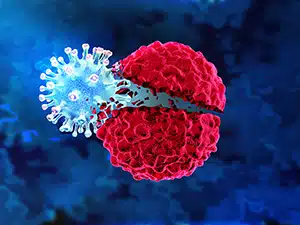
Vusolimogene oderparepvec-wtpg is an oncolytic viral therapy that uses a genetically modified virus to selectively infect and kill cancer cells while minimizing damage to healthy tissue. This therapy exploits cancer cells’ impaired antiviral defenses, allowing the modified virus to replicate within the tumor and ultimately cause the cancer cells to burst, or lyse. After lysis, the newly released virus copies can infect surrounding cancer cells. In addition to directly destroying cancer cells, the treatment may help stimulate the immune system to mount a stronger attack against the tumor.
Despite advances in immunotherapy for melanoma, resistance to PD-1-blocking antibodies remains common, with approximately 55% of patients exhibiting primary resistance and 25% of responders developing secondary resistance within two years.
For patients with advanced melanoma that no longer responds to PD-1 therapy, known as PD-1 refractory melanoma, treatment options have been limited and often provide inadequate efficacy or substantial toxicity. The combination of vusolimogene oderparepvec-wtpg and nivolumab, a PD-1 inhibitor, is designed to restore tumor sensitivity to immunotherapy.
An early clinical biomarker study presented at the AACR Annual Meeting 2021 demonstrated that vusolimogene oderparepvec-wtpg triggered broad immune activation within tumors, supporting its proposed mechanism of action and providing early evidence of its efficacy in combination with immunotherapy.
The approval of vusolimogene oderparepvec-wtpg was supported by results of IGNYTE, an open-label, multiregional, single-arm phase II trial, which enrolled 140 adults with stage 3B, 3C, or 4 unresectable advanced melanoma who experienced disease progression on at least eight consecutive weeks of prior PD-1 blockade therapy.
Of the 140 patients enrolled, 91 were evaluated for efficacy. Overall, 24.2% of patients had their cancer shrink or disappear. Half of the patients who responded to treatment continued to benefit for 14.1 months or longer.
Vusolimogene oderparepvec-wtpg is administered through direct injection into tumors every two weeks for a total of eight consecutive doses. The amount administered is determined by tumor size. When multiple tumors are present, priority should be given to the largest lesions and those showing the most rapid growth. Nivolumab is given intravenously beginning in week three of treatment.
Melanoma is the fifth most common cancer overall in the United States and one of the most aggressive skin cancer types, accounting for a majority of skin-cancer-related deaths. According to federal statistics, it was estimated that 112,000 individuals would be diagnosed with melanoma and 8,510 patients would die of the disease in the United States in 2026.
The FDA rendered its decision on August 6, 2026. Accelerated approval means that continued approval may be contingent upon a confirmatory trial. Please check this FDA web page for information about any accelerated approvals in oncology that may have been subsequently withdrawn and are no longer FDA-approved. Check this resource for updated information on all therapeutics regulated by the FDA.