Frontiers in Cancer Science 2026: What Can Cancer’s Past Tell Us About Its Future?
By Gopal Iyer, MBBS (Hons), PhD, and Choon Kiat Ong, PhD, cochairs of the Frontiers in Cancer Science 2026 conference
A cancer’s history is written in its genome. Its surroundings influence how it grows. And its response to treatment can change over time. Understanding how these pieces fit together is one of the central challenges facing cancer researchers and clinicians.
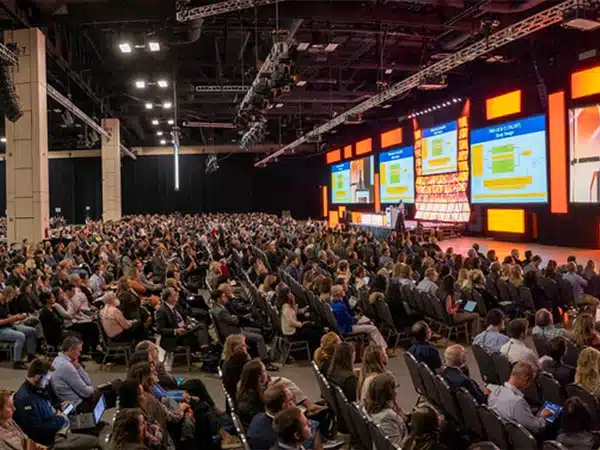
From November 11 to 13, 2026, the 18th Frontiers in Cancer Science (FCS) conference will bring the international cancer research community to Singapore, to explore questions such as: What drives a cancer to evolve? Why do some cells survive treatment? And how can discoveries in the laboratory lead to better care? The program includes a strong mix of basic, translational, and clinical research, connecting discoveries about how cancer works with advances in diagnosis and treatment.
Follow the Science Across Disciplines
FCS 2026 will offer delegates opportunities to learn across disciplines with scientific sessions focused on four main areas.
The meeting kicks off with sessions on cancer origins, evolution, and genomics that will examine how a tumor’s genetic complexity shapes its behavior—and how that knowledge can reveal opportunities for intervention. Uri Ben-David, PhD, of Tel Aviv University, will explore how chromosome imbalances influence tumor evolution and create vulnerabilities that could be selectively targeted. Jason Pitt, PhD, of the Cancer Science Institute of Singapore, will discuss how artificial intelligence (AI) can integrate information on different types of genomic alterations to improve predictions of treatment response. These talks form part of a wider program examining how cancers arise, adapt, and acquire the features that make them difficult to treat.
Sessions on therapeutics, drug development, vaccines, and prophylaxis will turn attention to new strategies for treatment and earlier intervention. A central challenge is tackling cancer cells that survive therapy. Constantine S. Mitsiades, MD, PhD, of Dana-Farber Cancer Institute, will examine these cells’ vulnerabilities and explore opportunities to eliminate them or maintain dormancy for longer-term disease control. David Tan, MBBS (Hons), PhD, of the National University Cancer Institute, Singapore, will discuss advances in managing ovarian clear cell carcinoma, a pressing clinical challenge in East Asia. Alongside fellow speakers, they will explore approaches to overcoming resistance and addressing unmet patient needs.
Implementation science sessions will connect emerging technologies and biological insights with the challenges of applying them in cancer care. Topics include blood-based biomarkers, cellular therapies, and molecular and spatial profiling. Johnny Ong, MBBS, MMed, PhD, of the National Cancer Centre Singapore, will share how studying fluid from patients with peritoneal metastases has uncovered signals that support tumor progression and potential therapeutic targets. Grace Yeo, PhD, of A*STAR’s Genome Institute of Singapore, will explore how the microenvironment shapes malignant cell diversity in colorectal cancer.
Sessions on the tumor microenvironment and tumor immunology will reveal how the cells and tissues surrounding a tumor influence its growth, immune evasion, and response to treatment. Sizun Jiang, PhD, of Harvard Medical School, will discuss how spatial multiomics maps these interactions, and how AI could help turn complex discoveries into practical biomarker panels. Herbert Schwarz, PhD, of National University of Singapore (NUS) Medicine, will examine strategies to reshape the immunosuppressive tumor microenvironment to support immunotherapy for solid cancers. Along with talks on single-cell tumor adaptation, whole-body immunity, and cellular therapies, these sessions will offer new ways to understand—and potentially alter—the tumor ecosystem.
Learn With the AACR-FCS Education Sessions
As a conference partner, the American Association for Cancer Research (AACR) will aide with education sessions that offer a chance to build attendees’ understanding of three rapidly advancing areas: interpreting cancer genomes, harnessing immune cells for treatment, and bringing liquid biopsy into clinical practice.
Serena Nik-Zainal, PhD, of the University of Cambridge, will show how mutational signatures help reconstruct a tumor’s history, revealing the effects of environmental exposures and DNA repair defects. Attendees will learn how researchers study the biological meaning of these patterns and what it takes to translate genomic observations into clinically useful biomarkers.
John Haanen, MD, PhD, of the Netherlands Cancer Institute, will trace the journey of adoptive cell therapy from pioneering melanoma studies to today’s chimeric antigen receptor (CAR) T-cell, tumor-infiltrating lymphocyte (TIL), and T-cell receptor (TCR)-engineered T-cell approaches. In addition to understanding how these therapies developed and where they stand today, attendees will also hear about how their applications differ between blood cancers and solid tumors.
Ellen Heitzer, PhD, of the Medical University of Graz, will examine what liquid biopsy can tell us about cancer—and when that information is ready to guide care. From treatment selection and response monitoring to residual disease and early detection, attendees will gain a practical framework for evaluating test performance, interpreting results, and assessing the evidence needed for clinical use.
For students, early-career investigators, and established researchers, these AACR-FCS Education Sessions offer both scientific foundations and practical perspectives to bring back to the laboratory or clinic.
Make Connections That Continue Beyond the Meeting
Any of these talks may introduce attendees to a new approach, while a conversation afterwards may reveal how it could apply to your work. Throughout the scientific and education sessions, poster presentations, and networking breaks, attendees will have plenty of opportunities to exchange ideas, discuss findings, and meet researchers and clinicians tackling related challenges from different perspectives.
Whether your work begins with a patient, a cell, a genome, or a computational model, come ready to ask questions, share your insights, and discover connections across the cancer research community.
Explore the FCS 2026 program, full speaker line-up, and registration details. We look forward to welcoming you to Singapore!

Gopal Iyer, MBBS (Hons), PhD, is a senior consultant and head of the Department of Head and Neck Surgery at the National Cancer Centre Singapore (NCCS) and Singapore General Hospital, and Head of the Division of Medical Sciences at NCCS. His clinical expertise comprises the complex and multidisciplinary management of head and neck cancers in a tertiary and quaternary setting, which includes complex resections and reconstructions of head and neck cancers and being part of a multidisciplinary team running clinical trials. He is also the principal investigator of the Cancer Therapeutics Research Laboratory, where the overarching theme is the identification of novel biomarkers that guide therapeutic decisions, identification of novel therapeutic targets and modification of conventional therapy for head and neck cancers. Given the major paradigm shifts in the last five years, his lab has since evolved to have a major focus on cancer immunology and cell therapy for solid tumors. One of the major drivers of his research is access to specific clinical tissue and the development of ex vivo models to study the therapeutic response.

Choon Kiat Ong, PhD, is the head of the Division of Cellular and Molecular Research and the principal investigator of the Lymphoma Translational Research Laboratory at NCCS. Concurrently, he also holds an appointment as an associate professor at the Duke-NUS Medical School. Ong was also appointed as the project director for a national grant at the Center of Excellence in Translational Medicine (CEMT), Fundeni Clinical Institute (FCI), Romania. During his postdoctoral training, Ong led genomic research in various cancers prevalent in Asia including lymphoma, cholangiocarcinoma, and fibroepithelial tumors of the breast. He had represented Singapore in leading the whole genome sequencing of T- and natural killer (NK)-cell lymphoma in the International Cancer Genomic Consortium (ICGC). Ong, along with other collaborating scientists in the field of cancer research, was awarded the prestigious AACR Team Science Award 2018, recognizing the outstanding interdisciplinary team’s work in furthering the knowledge of Asian-prevalent cancers, contributing to the progress of cancer detection, treatment and prevention.