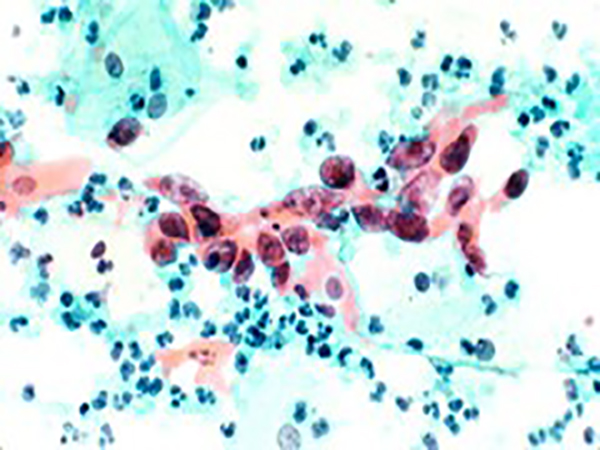
Oropharyngeal Cancer

Oropharyngeal cancer is a disease that originates in the tissues of the oropharynx, the middle part of the throat also called the pharynx. The oropharynx includes the tonsils, back third of the tongue, soft palate, and the side and back walls of the throat. Most oropharyngeal cancers are squamous cell carcinomas in the thin, flat cells that line the inside of the oropharynx.
Oropharyngeal cancer is a form of head and neck cancer. Head and neck cancers account for approximately 3.5% of all cancers in the United States, or about 72,680 of the 2 million new cancer cases that were estimated to be diagnosed in 2025, according to the National Cancer Institute. Of those 72,680 cases, about 59,660 were in the oral cavity or pharynx, and about 12,770 people were estimated to die from cancers in those sites.
Use of tobacco products and heavy alcohol consumption can increase the risk of oropharyngeal cancer. Other risk factors for oropharyngeal cancer include chewing the stimulant betel quid often used in parts of Asia, having a human papillomavirus (HPV) infection (especially HPV type 16), and having a personal history of head and neck cancer.
Oropharyngeal cancer typically involves people 55 or older, according to the National Cancer Institute. Men are almost three times more likely to develop this form of cancer than women.
Oropharyngeal Cancer Treatment (Adult) (PDQ®)Source: National Cancer Institute

You can support the AACR's mission by contacting your representatives and senators and advocating for increased funding for lifesaving cancer research.
Learn More