Vaginal Cancer

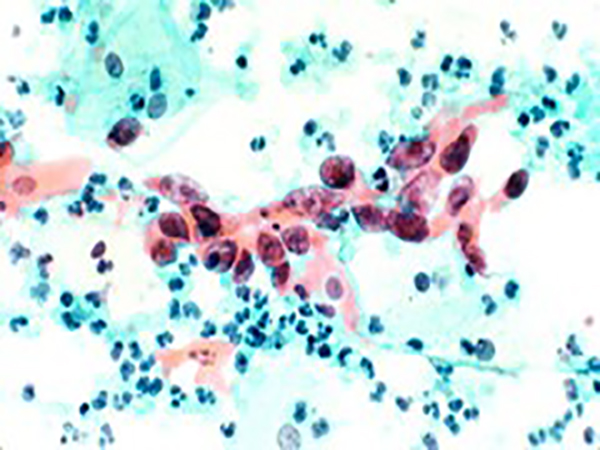
Vaginal cancer is a rare form of gynecologic cancer. The National Cancer Institute estimated that approximately 8,070 cases of female genital cancers would be diagnosed in the United States in 2025, with about 2% of these estimated to be vaginal cancer.
There are two main types of vaginal cancer: squamous cell carcinoma and adenocarcinoma. The majority of cases are squamous cell cancer, which spreads slowly and typically stays near the vagina, while adenocarcinoma is more likely to spread to the lungs and lymph nodes. A rare type of adenocarcinoma, which is known as clear cell carcinoma, is linked to being exposed to diethylstilbestrol (DES) before birth. DES is a synthetic form of the female hormone estrogen that was prescribed to women between 1940 and 1971 to prevent miscarriage, premature labor, and related complications of pregnancy before studies showed it was not effective for preventing those issues.
Other risk factors for vaginal cancer include being 60 or older, having a human papillomavirus (HPV) infection, and having had a hysterectomy for benign, premalignant, or malignant tumors.
Vaginal Cancer Treatment (PDQ®)Source: National Cancer Institute

You can support the AACR's mission by contacting your representatives and senators and advocating for increased funding for lifesaving cancer research.
Learn More