Innovators in Discovery

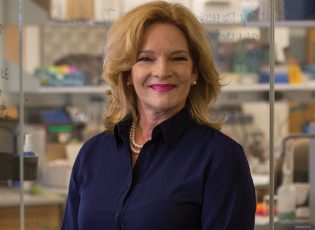
Drawn to the development of sequencing technologies, Dr. Mardis has been at the cutting edge of applying next-generation sequencing to understand the genetic blueprint of cancer.
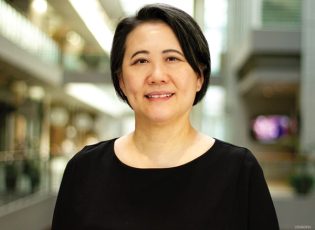
For nearly three decades, Dr. Siu, AACR President, 2025-26, has been facilitating the development of novel cancer therapies and biomarkers for cancer patients.
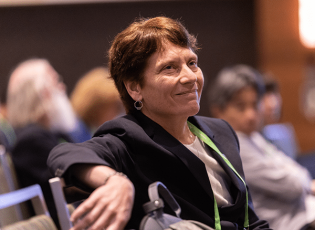
Pioneering chemist and Fellow of the AACR Academy Carolyn R. Bertozzi, PhD, leads efforts to develop cancer therapeutics against “a different type of drug target.”
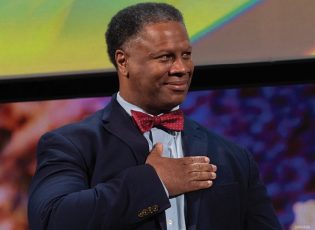
Throughout his career, Dr. Winn, the director of the VCU Massey Comprehensive Cancer Center, has been a driving force in the study of cancer disparities and implementing solutions.
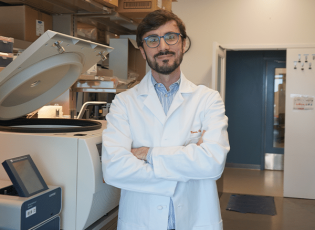
Using funding from the AACR, early-career investigator Marco Ruella, MD, found a way to improve immunotherapy for B-cell acute lymphoblastic leukemia.
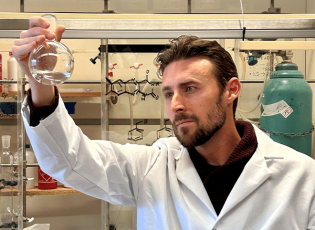
An AACR grantee, Raymond E. Moellering, PhD, uses chemistry to build “molecules that can go after undruggable protein targets” to treat cancers.
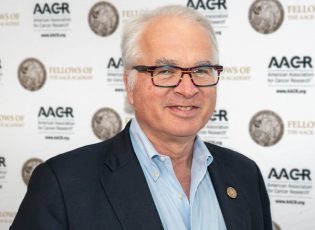
After Dr. Stephen Chanock’s brother and best friend, Foster, was diagnosed with a rare type of cancer, he dedicated his life to solving the problems of cancer.
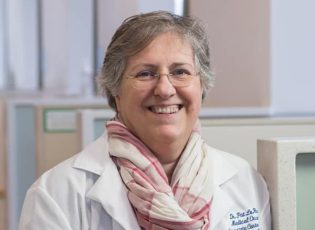
Patricia M. LoRusso, DO, PhD (hc), FAACR, began her medical career in early-phase clinical trial development to test new cancer therapies. Thirty years later. Dr. LoRusso is still conducting early-phase clinical trials to test novel ways to treat cancer.
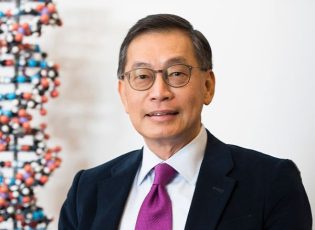
Chi Van Dang, MD, PhD, FAACR, was among the first to discover that MYC oncogenes regulate tumor metabolism and to establish MYC’s role in regulating the circadian rhythm and the immune system.
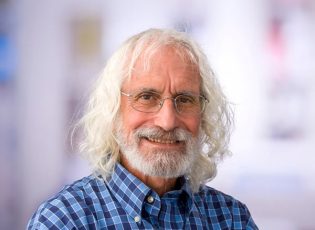
Philip D. Greenberg, MD, FAACR, was among a minority of cancer biologists initially attracted to the work of harnessing the immune system to treat cancer. He led a team that was among the first to take T cells from a cancer patient, isolate specific cancer-targeting T cells, expand the number of T cells in the lab, and infuse them back into the patient as a cell-based cancer immunotherapy.