
The Return to Work
What happens if your workplace reopens before you’re ready to return or you’re an essential worker? For some people who have been diagnosed with cancer, accommodations may be possible.

What happens if your workplace reopens before you’re ready to return or you’re an essential worker? For some people who have been diagnosed with cancer, accommodations may be possible.

The AACR Virtual Meeting: COVID-19 and Cancer opened Monday with a keynote address from the nation’s leading infectious disease expert, Anthony Fauci, MD, the director of the National Institutes of Allergy and Infectious Diseases. Well known for several decades in the realm of infectious diseases, Fauci has now become a household name in the United States due to his contributions in the response to the COVID-19 pandemic.
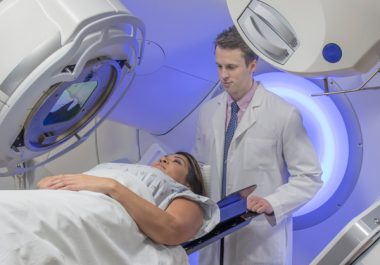
A clinical trial suggests that some people with breast cancer may be able to receive radiation therapy over fewer sessions and other cancer research news of the week from Cancer Today magazine.

People with cancer can pay significant costs for parking at cancer centers while receiving their treatment, a study finds.

Proposed changes to lung cancer screening guidelines would double the number of people eligible for yearly CT scans, and more news of the week from Cancer Today.

Health information tailored to ethnic subgroups or age group may be beneficial, according to a study in the AACR journal Cancer Epidemiology, Biomarkers & Prevention.

The COVID-19 pandemic remains at the center of health and science news as cases of the disease continue to rise in the United States and worldwide. In recent days, global cases of COVID-19 exceeded 10 million, and have resulted in nearly 500,000 deaths. Cases in the United States have surpassed all other countries and have topped 2.5 million, with more than 125,000 deaths as a result.
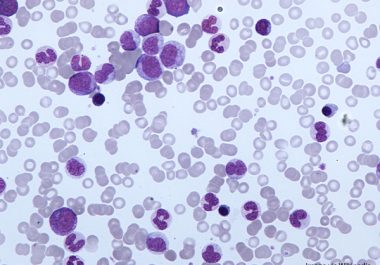
The FDA approved an oral combination of an epigenetic therapy along with an enzyme inhibitor to treat certain adults with chronic myelomonocytic leukemia
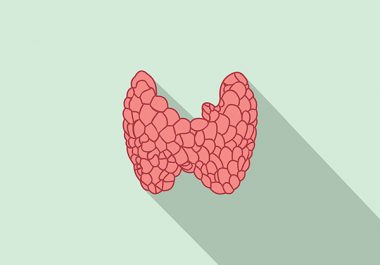
A study finds that incidence of thyroid cancer rose by 169% between 1990 and 2017, and more news of the week from Cancer Today.
As a scientific organization focused on preventing and curing all cancers, the American Association for Cancer Research (AACR) embraces the core values of equality, diversity, and inclusion, and stands ready to confront and combat...

AACR Fellow Lewis C. Cantley, PhD, leads a national effort targeting triple-negative breast cancer and ovarian cancer with a novel drug combination.
Learn More