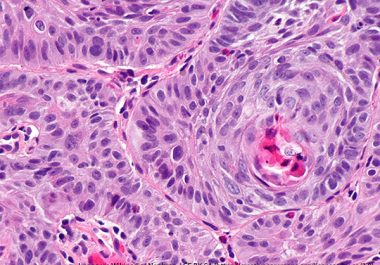
Taking the Brakes Off Immune Cells to Treat Esophageal Cancer
The FDA approved the use of an immune checkpoint inhibitor to treat certain patients with a common form of esophageal cancer.

The FDA approved the use of an immune checkpoint inhibitor to treat certain patients with a common form of esophageal cancer.

The vast majority of participants enrolled in nearly 60 prostate cancer clinical trials were non-Hispanic white men, Harvard researchers report.

A recent study reports that high adherence to oral diabetes medication was associated with improved survival for patients with colorectal cancer.

Some people with early-stage non-small cell lung cancer can benefit significantly from treatment with a targeted therapy, and more news of the week from Cancer Today.

A recent study shows that testicular cancer rates are increasing for Asian/Pacific Islanders, Hispanics, and American Indians/Alaska Natives.
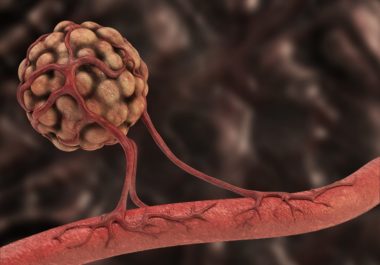
In the early 1990s, Gregg Semenza, MD, PhD, was a postdoctoral researcher studying the cellular response to reduced oxygen levels, a state known as hypoxia. His focus was on the erythropoietin gene, EPO, which controls red blood cell production, and thus oxygen delivery. After identifying a sequence within the EPO gene that was critical for the response to hypoxia, Semenza isolated a mystery protein that was bound to this sequence.

Every month, the editors from the portfolio of scientific journals published by the AACR select one “must read” article from each issue, which we summarize here. The May edition includes a description of a deep learning-based algorithm to examine the tumor microenvironment in lung cancer for risk prediction, an examination of the role that the protein myocilin plays in cancer-associated cachexia, along with results from two clinical trials, among other studies.

A study shows that a more tolerable, dose-adjusted chemotherapy regimen can effectively treat a rare lymphoma, and more news of the week from Cancer Today.

The days are getting longer and warmer, and visions of beach trips, cookouts, and picnics occupy our minds. While this year’s summer will likely look different due to the ongoing COVID-19 pandemic, months of staying inside may make the desire to head outside even stronger.
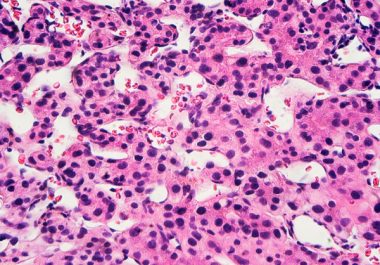
The FDA approved a combination of an immunotherapy and a therapeutic that can stop tumors from growing blood vessels for certain patients with liver cancer.

AACR Fellow Lewis C. Cantley, PhD, leads a national effort targeting triple-negative breast cancer and ovarian cancer with a novel drug combination.
Learn More