
Virtual Connection in a Time of Social Distance
Responding to the coronavirus, cancer patient advocates and nonprofits expand existing outreach initiatives and launch new ones.

Responding to the coronavirus, cancer patient advocates and nonprofits expand existing outreach initiatives and launch new ones.

Young adults with a history of cancer are more likely to try e-cigarettes than their peers, and more news of the week from Cancer Today.

A new study finds that Latina women with a higher proportion of Indigenous American ancestry may be at increased risk of being diagnosed with HER2-positive breast cancer.

The first allogeneic hematopoietic-cell transplant (HCT) – a complex procedure where a patient receives blood stem cells isolated from a healthy donor – was performed in 1957. Now, over 9,000 allogeneic hematopoietic-cell transplants are performed per year in the United States. This type of transplant is generally used to treat patients with bone marrow disorders, including certain types of leukemia, lymphoma, and multiple myeloma.

The FDA has approved a molecularly targeted therapeutic for treating certain patients with neurofibromatosis type 1 who have inoperable tumors.
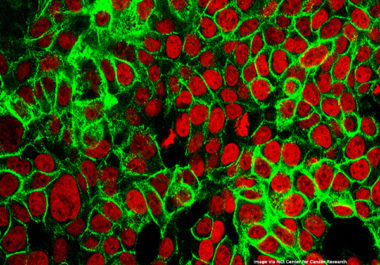
The FDA has approved a new combination of molecularly targeted therapeutics for treating metastatic colorectal cancer with a BRAF V600E gene mutation.
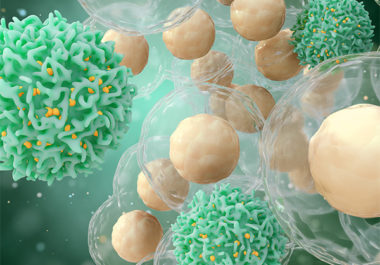
CAR-T cell therapy may help patients after a relapse of mantle cell lymphoma, and more news of the week from Cancer Today.

People being treated for cancer may be at elevated risk of developing severe cases of COVID-19. The coronavirus is also affecting how cancer care is delivered. A column by the editor-in-chief of Cancer Today William G. Nelson, MD, PhD, director of the Johns Hopkins Kimmel Cancer Center in Baltimore.
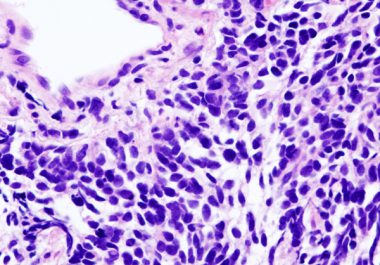
The FDA has approved a new combination of immunotherapy and chemotherapy as an initial treatment for extensive-stage small cell lung cancer.

Cancer centers are taking advantage of their in-house molecular laboratories to selectively test certain cancer patients for the coronavirus.

AACR Fellow Lewis C. Cantley, PhD, leads a national effort targeting triple-negative breast cancer and ovarian cancer with a novel drug combination.
Learn More