
For Prostate Biopsy, It’s Best to Combine Old and New Methods
Using an older method of prostate biopsy together with MRI-targeted biopsy more accurately diagnoses prostate cancer than either method alone, a study finds.

Using an older method of prostate biopsy together with MRI-targeted biopsy more accurately diagnoses prostate cancer than either method alone, a study finds.
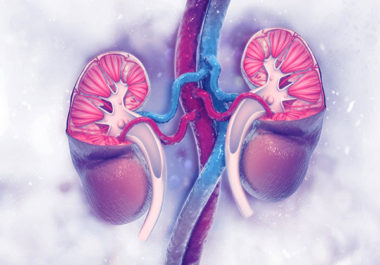
A highly complex filtering system, the kidneys process roughly half a cup of blood every minute, isolating waste and returning minerals and nutrients to the bloodstream. Renal cell carcinoma, a cancer that develops in the lining of the renal tubules, is the most common type of kidney cancer in adults, representing 85 percent of kidney and ureter cancers. Other types of kidney and ureter cancer can develop in the renal pelvis, the funnel where urine flows from the kidney to the bladder.
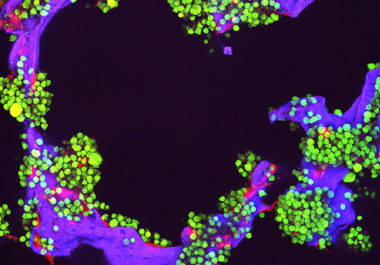
The FDA has approved a new therapeutic to treat adults with multiple myeloma whose cancer has progressed despite receiving at least two other treatments.
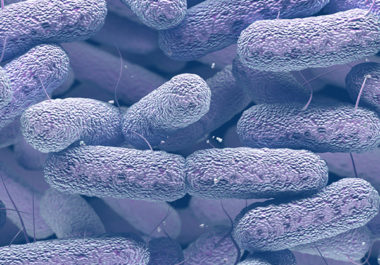
Researchers find a possible explanation for the link between certain gut bacteria and colorectal cancer and other cancer news of the week from Cancer Today magazine staff.
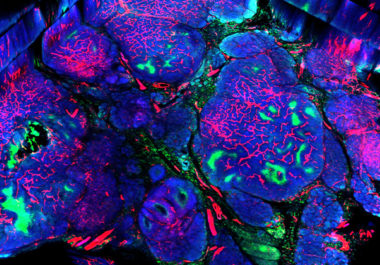
The FDA has expanded the use of the molecularly targeted therapeutic neratinib to include the treatment of certain patients with advanced or metastatic breast cancer

“There’s a clear connection between cancer and the gut microbiome,” began Matthew Redinbo, PhD, of the University of North Carolina at Chapel Hill, at the opening keynote address during the recent AACR special conference The Microbiome, Viruses, and Cancer, held in Orlando. Redinbo, a professor of chemistry, biochemistry, and microbiology, noted that there is an “intimate chemical relationship” linking specific microbiota with cancer progression, and that certain bacteria can also modulate patient’s responses to cancer treatment, representing an untapped area of drug discovery.

Tracking health problems in young cancer survivors and other cancer news of the week from Cancer Today magazine staff.
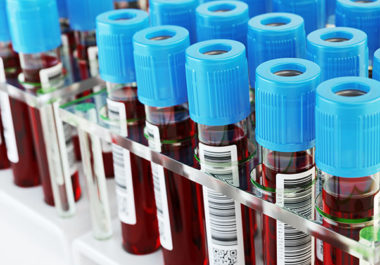
Circulating tumor DNA (ctDNA) was first detected over 30 years ago, but its potential uses for cancer diagnosis and treatment are only recently being extensively explored. An emerging method known as liquid biopsy examines ctDNA, cell-free DNA (cfDNA), or circulating tumor cells in blood plasma samples to learn about the patient’s cancer without needing to resect tissue from the tumor itself, as is typically required in traditional diagnostic and staging methods. Liquid biopsy could, therefore, provide a minimally invasive technique to detect and characterize cancer and to monitor its response to treatment.

February is National Cancer Prevention Month. We recently had the opportunity of speaking with American Association for Cancer Research (AACR) Past President William Hait, MD, PhD, a leading expert in cancer prevention and interception. Hait, who is a Fellow of the AACR Academy and the current AACR treasurer, forecasted several key areas of advancement in this field. In this excerpt from our previous post, Hait shares his predictions for cancer prevention and interception research in 2020.

A study illuminates the alcohol consumption habits of cancer survivors.

AACR Fellow Lewis C. Cantley, PhD, leads a national effort targeting triple-negative breast cancer and ovarian cancer with a novel drug combination.
Learn More