
September 4, 2020: The Week in Cancer News
Personal use of permanent hair dye is generally not associated with increased cancer risk, and more news of the week from Cancer Today magazine.

Personal use of permanent hair dye is generally not associated with increased cancer risk, and more news of the week from Cancer Today magazine.

Research published in March 2020 found the use of an antioxidant supplement was associated with an increased risk of cancer recurrence or death.

The European Society for Medical Oncology (ESMO) issued guidance on genetic sequencing metastatic cancer patients and other news of the week selected by the staff of Cancer Today magazine.
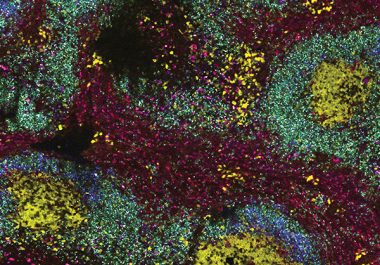
Virtual scientific meetings have become the “new normal” in the COVID-19 era, enabling researchers to present and discuss recent advances in their respective fields, facilitating potential collaborations and conversations, and ultimately allowing science to continue to move forward.

Blood cancer patients have low rates of enrollment in hospice. One barrier to enrollment is that many hospices do not provide blood transfusions.

Radiation therapy for cancer can save a young person’s life. But it can affect the body later on, and even reduce the chances of surviving another cancer. For children, adolescents, and young adults who...
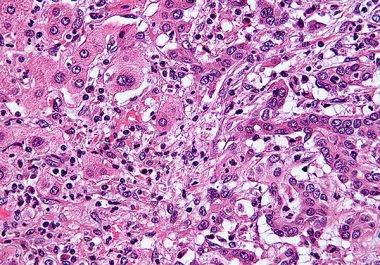
A combination of targeted therapies may be effective in people with bile duct cancers, and other cancer research news of the week selected by the staff of Cancer Today magazine.

Most young cancer patients in the U.S. do not receive counseling about how chemotherapy could harm their chances of becoming parents before beginning the treatment.

Lung cancer death rates are on the decline and other cancer research news of the week selected by the staff of Cancer Today magazine.

A study showing the rates of anal cancer diagnoses and deaths rising in the U.S. underscores the importance of early detection and prevention.

AACR Fellow Lewis C. Cantley, PhD, leads a national effort targeting triple-negative breast cancer and ovarian cancer with a novel drug combination.
Learn More