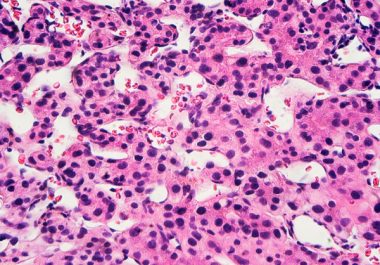
Aiming at Two Protein Targets to Treat Liver Cancer
The FDA approved a combination of an immunotherapy and a therapeutic that can stop tumors from growing blood vessels for certain patients with liver cancer.

The FDA approved a combination of an immunotherapy and a therapeutic that can stop tumors from growing blood vessels for certain patients with liver cancer.

Signaling pathways that regulate cellular proliferation are commonly mutated in cancer cells, leading to unrestrained cellular division and tumor growth. Therefore, insight into the regulation of these signaling pathways is critical to the development of novel therapeutics. Mutations in the RAS...

Metastatic prostate cancer incidence rose after changes to prostate cancer screening guidelines.
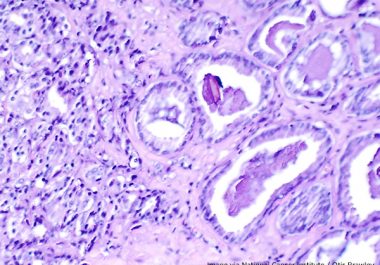
The FDA has expanded the use of the PARP-targeted therapeutic olaparib to include the treatment of certain patients with metastatic prostate cancer. The U.S. Food and Drug Administration (FDA) has expanded the use of...
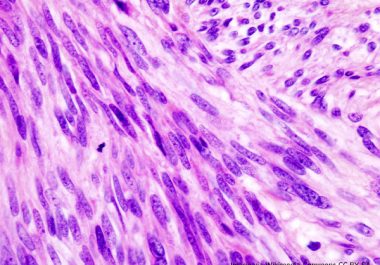
The FDA has approved a new molecularly targeted therapeutic for treating certain patients who have advanced gastrointestinal stromal tumors.

Findings from a recent study suggest that patients may experience a greater occurrence of infections in the years preceding a cancer diagnosis.

The FDA has expanded the use of a molecularly targeted therapeutic to include the treatment of certain patients with prostate cancer.
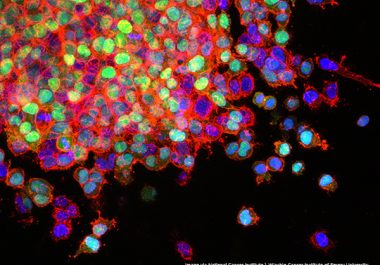
The FDA has approved a combination of the immunotherapeutics nivolumab and ipilimumab to treat certain patients with metastatic lung cancer.
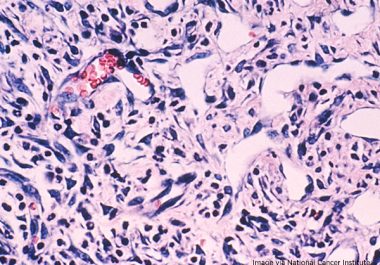
The FDA has expanded the use of an immunomodulatory therapeutic to include the treatment of adults who have Kaposi sarcoma.

A study indicates that children with cancer are not at increased risks of severe cases of COVID-19, and more news of the week from Cancer Today.

AACR Fellow Lewis C. Cantley, PhD, leads a national effort targeting triple-negative breast cancer and ovarian cancer with a novel drug combination.
Learn More