
Cryoablation May Be a Treatment Option for Some Patients
Some patients may find their doctor recommends cryoablation, a less invasive procedure that uses extreme cold to kill cancer cells, as an alternative to surgery or radiation.

Some patients may find their doctor recommends cryoablation, a less invasive procedure that uses extreme cold to kill cancer cells, as an alternative to surgery or radiation.

Cancer Today editor-in-chief William G. Nelson, MD, PhD, discusses emerging insights into epigenetic abnormalities in cancer cells.

Screening for lung cancer using low-dose computed tomography (CT) was introduced in the United States in 2013. Recent data from the Centers for Disease Control and Prevention (CDC) showed that only one in eight people for whom lung cancer screening was recommended reported having been screened in the past year, even as long-term results from a large randomized clinical trial provided confirmation that screening reduces lung cancer death rates.

An update on how the spread of coronavirus is impacting cancer care, and more news of the week from Cancer Today.
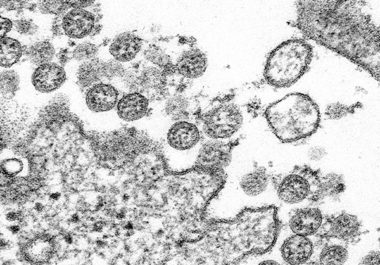
Cancer patients in the U.S. are feeling impacts from the new coronavirus. Doctors are rescheduling routine follow-up visits and encouraging telehealth visits when possible.

Despite concerns that reducing nicotine levels in cigarettes could have unintended effects on smoking behavior, findings from two recent studies suggest that smokers do not smoke more cigarettes or smoke more intensely when using low-nicotine cigarettes.

Multigene panels that rely on next-generation sequencing are increasingly used to test for hereditary cancer risk-related mutations. The federal government aims to expand Medicare coverage for these tests.

Experts offer information and cancer centers take precautions in light of the novel coronavirus, and the Food and Drug Administration approves an immunotherapy combination for liver cancer.

The incidence of colorectal cancer – the fourth most common cancer diagnosed in the United States – has been steadily declining since the late 1990s. Despite this decrease, it is estimated that the lifetime risk of developing the disease is roughly one in 20 for those living in the United States. If the cancer is caught early when it is still localized, the five-year relative survival is almost 90 percent. However, if diagnosed after it has metastasized, the five-year relative survival is less than 15 percent.
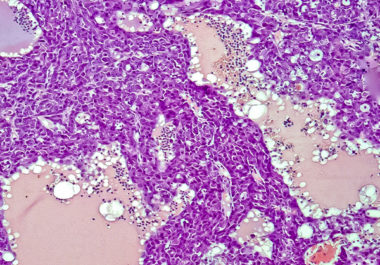
The FDA approved using a combination of nivolumab and ipilimumab, two immune checkpoint inhibitors, to treat certain patients with hepatocellular carcinoma.

AACR Fellow Lewis C. Cantley, PhD, leads a national effort targeting triple-negative breast cancer and ovarian cancer with a novel drug combination.
Learn More