
September 18, 2020: The Week in Cancer News
The AACR issues an extensive report on cancer disparities, and more news of the week from Cancer Today.

The AACR issues an extensive report on cancer disparities, and more news of the week from Cancer Today.

Doctors and researchers point out that instructions on scalp cooling were not formulated with Black patients in mind, and cancer news of the week from the staff of Cancer Today magazine.

A trial of the targeted therapy osimertinib for early-stage lung cancer finds that patients who take it go longer without having a cancer recurrence. Whether that should change clinical practice is under discussion.
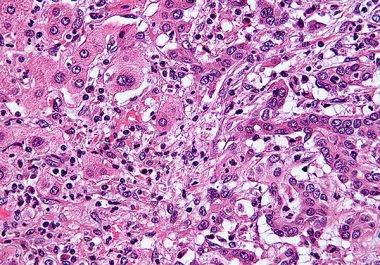
A combination of targeted therapies may be effective in people with bile duct cancers, and other cancer research news of the week selected by the staff of Cancer Today magazine.

Most young cancer patients in the U.S. do not receive counseling about how chemotherapy could harm their chances of becoming parents before beginning the treatment.
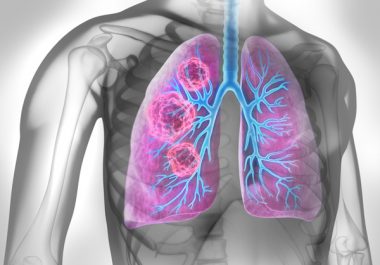
Lung cancer death rates are on the decline and other cancer research news of the week selected by the staff of Cancer Today magazine.

A study showing the rates of anal cancer diagnoses and deaths rising in the U.S. underscores the importance of early detection and prevention.

People who have been diagnosed with cancer are more likely than those without a cancer history to adhere to measures like wearing masks and avoiding crowded areas, and CAR-T cell therapy is becoming an option for treating more types of cancer.

Proposed changes to lung cancer screening guidelines would double the number of people eligible for yearly CT scans, and more news of the week from Cancer Today.

The COVID-19 pandemic remains at the center of health and science news as cases of the disease continue to rise in the United States and worldwide. In recent days, global cases of COVID-19 exceeded 10 million, and have resulted in nearly 500,000 deaths. Cases in the United States have surpassed all other countries and have topped 2.5 million, with more than 125,000 deaths as a result.

AACR Fellow Lewis C. Cantley, PhD, leads a national effort targeting triple-negative breast cancer and ovarian cancer with a novel drug combination.
Learn More