July 2, 2020: The Week in Cancer News
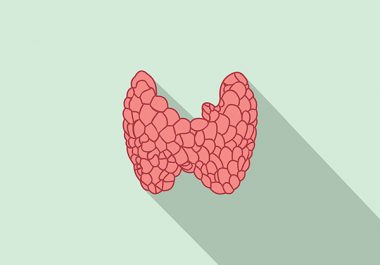
A study finds that incidence of thyroid cancer rose by 169% between 1990 and 2017, and more news of the week from Cancer Today.

A study finds that incidence of thyroid cancer rose by 169% between 1990 and 2017, and more news of the week from Cancer Today.

Persistent infections with pathogens—such as the human papillomavirus (HPV), hepatitis B and C viruses (HBV/HCV), H. pylori, and others—represent a major risk factor for cancer incidence worldwide. Indeed, an analysis published in Lancet Oncology estimated that 2.2 million cancer cases in 2018 were attributable to infections, representing 13 percent of all global cancer cases (excluding non-melanoma skin cancers). While vaccines exist for many of these pathogens, access to them is not universal.

A study finds that hereditary mutations are elevated in early-onset cancers, and more news of the week from Cancer Today.

Some cancers that are most commonly diagnosed in older adults are becoming increasingly prevalent in young adults.

Researchers are investigating why certain patients have an exceptional response to a particular drug.

COVID-19 has had a disproportionate impact on Black and Latino Americans, as well as members of other minority groups.

Communication gaps can shift extra burden to parents.
The AACR NextGen Grants for Transformative Cancer Research support early-career investigators who are pursuing highly innovative cancer research projects that have the potential to transform the field’s understanding of cancer development and/or treatment.

A study indicates that a sedentary lifestyle increases risk of death from cancer, and more news of the week from Cancer Today.

Geriatric assessment improves quality of life in older adults with cancer.

AACR Fellow Lewis C. Cantley, PhD, leads a national effort targeting triple-negative breast cancer and ovarian cancer with a novel drug combination.
Learn More