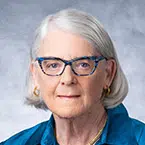
Scientific Areas of Expertise: Cancer Genetics; Insertional Mutagenesis, Mouse Models of Human Cancer
For pioneering contributions to cancer genetics and unrivaled efforts dedicated to establishing the Sleeping Beauty transposable element system to model human cancer in mice, a breakthrough that has since allowed for the identification of innumerable candidate genes responsible for tumors.
An internationally renowned cancer geneticist, Dr Jenkins’s groundbreaking research has significantly advanced the understanding of the genetic mechanisms underlying cancer initiation, progression, and evolution. In close partnership with Dr. Neal Copeland, Dr. Jenkins has led the development and application of innovative genetic tools in mouse models, establishing some of the most influential functional genomics approaches in the modern era. Dr. Jenkins began her pioneering work using replication-defective retroviral insertional mutagenesis in mice to identify genes implicated in hematologic malignancies. Her research provided compelling evidence that transformation is not driven by isolated mutations, but rather by the cooperation of multiple oncogenic events. This early work laid the conceptual foundation for a multigenic, cooperative model of tumorigenesis. Extending these insights, Dr. Jenkins introduced the Sleeping Beauty (SB) transposon system as a forward genetic tool capable of inducing and dissecting solid tumors in vivo. Through large-scale SB mutagenesis screens and transposon insertion mapping, she and her collaborators identified thousands of candidate cancer genes and assembled these findings into the publicly available Candidate Cancer Gene Database, a resource that has become foundational for the cancer research community.
Dr. Jenkins’s research has illuminated the evolutionary dynamics of tumors by identifying truncal mutations and demonstrating that the order of mutational events determines tumor architecture and fate. Her work showed that oncogenic pathways often function in concert, and that genetic cooperation, not singular driver events, defines tumor behavior. Notably, her studies revealed frequent co-mutation of signaling pathways such as Wnt, MAPK, and TGF-β in tumors of the gastrointestinal tract, pancreas, and liver, emphasizing pathway synergy in cancer development. One of the most cited biomedical researchers worldwide, Dr. Jenkins continues to shape the future of cancer genetics through innovative research, impactful resources, and enduring scientific leadership.
Selected Awards and Honors
2021 Prince Hitachi Prize for Comparative Oncology, Japanese Foundation for Cancer Research, Tokyo, Japan
2013-2016 Board of Directors, Academy of Medicine, Engineering and Science of Texas, Austin, Texas
2011 Elected Member, Academy of Medicine, Engineering and Science of Texas, Austin, Texas
2008 Elected Member, National Academy of Sciences, Washington, DC
2007-2016 Scientific Advisory Board, Institute of Molecular Bioscience, University of Queensland, Australia
2005-2006 Board of Visitors, College of Life Sciences, University of Maryland, College Park, Maryland
2004 G. Burroughs Mider Lectureship Award, National Institutes of Health, Bethesda, Maryland
2000-2003 Board of External Advisors, Roswell Park Memorial Institute, Buffalo, New York
1999-2000 The Harvey Lectures, New York, New York
1992-2016 Scientific Advisory Board, McLaughlin Research Institute, Great Falls, Montana
1988-1990 Member, Founding Council, Human Genome Organization, Geneva, Switzerland
1985-1987 Member, NIH Experimental Virology Review Panel, National Institutes of Health, Bethesda, Maryland
[Institutional affiliations listed for Fellows reflect those held at the time of their induction into the AACR Academy.]