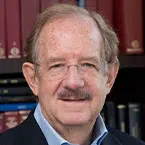
Scientific Areas of Expertise: DNA Damage and Repair, DNA Replication, Cell Cycle Control
For seminal discoveries that delineated the key principles governing the process of genetic replication and for developing the first cell-free DNA replication system capable of duplicating the complete genomes of viruses including SV40, effectively revolutionizing the cancer research field by creating a tool that allows for the identification and functional characterization of proteins and enzymes required for DNA replication.
A visionary pioneer of eukaryotic DNA replication, Dr. Kelly discovered mechanisms of genome duplication in human cells and defined control pathways that coordinate DNA replication with the cell cycle. His influential early work created robust cell-free replication systems for SV40 and adenovirus, which transformed chromosome duplication from an inaccessible cellular process into a fully reconstituted biochemical reaction. These landmark systems enabled the first rigorous dissection of replication initiation and elongation in human cells and led directly to the purification and functional definition of essential replication proteins. For example, his laboratory identified Replication Protein A (RPA), the essential eukaryotic single-stranded DNA-binding complex that stabilizes unwound DNA and coordinates polymerase engagement. This discovery identified a central organizing component of the eukaryotic replisome and enabled many subsequent studies demonstrating that failure to protect single-stranded DNA promotes fork collapse, mutagenesis, and chromosomal instability, which are now recognized as hallmarks of cancer.
Building on these findings, Dr. Kelly further established replication as an actively regulated process tightly coupled to genome surveillance. Using S. pombe as a model system, he demonstrated how regulation of origin licensing factors, such as Cdc18 and Cdt1, restrict replication to once per cell cycle, which established licensing failure as a direct source of re-replication and genomic damage. Additionally, his research clarified the mechanism of the Rad3/ATR checkpoint, which responds to replication stress by stabilizing stalled replication forks, inhibiting futile initiation events, stimulating repair or bypass of DNA damage and delaying mitosis. Extending these insights, Dr. Kelly developed a mathematical model of the dynamics of DNA replication in S. pombe which explained patterns of replication timing including the origin of late replicating regions that are intrinsically prone to DNA damage and mutation, providing a mechanistic explanation for nonrandom tumor mutational landscapes. Together, his discoveries reshaped how oncology interprets mutational signatures and inspired the development of therapeutic strategies that exploit tumor dependence on replication stress responses, including ATR and CHK1 inhibition. Through definitive assays, clearly delineated molecular circuits, and unifying conceptual frameworks, Dr. Kelly established a direct line from replication mechanism to cancer vulnerability that continues to inform precision oncology and targeted drug development.
Selected Awards and Honors
2014 Doctor of Science, Honoris Causa, Louis V. Gerstner, Jr. Sloan Kettering Graduate School of Biomedical Sciences, New York, New York
2010 Louisa Gross Horwitz Prize, Columbia University, New York, New York
2010 Johns Hopkins Society of Scholars, Johns Hopkins University, Baltimore, Maryland
2004 Alfred P. Sloan Jr. Prize, General Motors Cancer Research Foundation, New York, New York
2000 Elected Member, Institute of Medicine (now National Academy of Medicine), Washington, DC
1998 Elected Member, American Philosophical Society, Philadelphia, Pennsylvania
1992 Elected Member, National Academy of Sciences, Washington, DC
1989 Elected Fellow, American Academy of Arts and Sciences, Cambridge, Massachusetts
1986 Elected Fellow, American Association for the Advancement of Science, Washington, DC
[Institutional affiliations listed for Fellows reflect those held at the time of their induction into the AACR Academy.]