A Rapid Clinical Care Program Increased Cancer Care Access for Vulnerable Patients
In the Same Day/Next Day program, a higher proportion of individuals at high risk for poor outcomes initiated first-line therapy
ATLANTA – The rapid-access cancer care program Same Day/Next Day (SDND) served a higher proportion of patients with high socioeconomic risk for poor outcomes than the traditional health care path, and more socially vulnerable patients initiated therapy, according to results presented at the 19th AACR Conference on The Science of Cancer Health Disparities, held October 18-21 in Atlanta.
“Delay in care is one of the largest negative predictors of cancer outcomes,” said Joseph P. Flemming, DO, from Jefferson Abington Hospital, who presented the study. “The SDND program rapidly connects patients with expert guidance to support them in navigating the beginning of their cancer journey.”
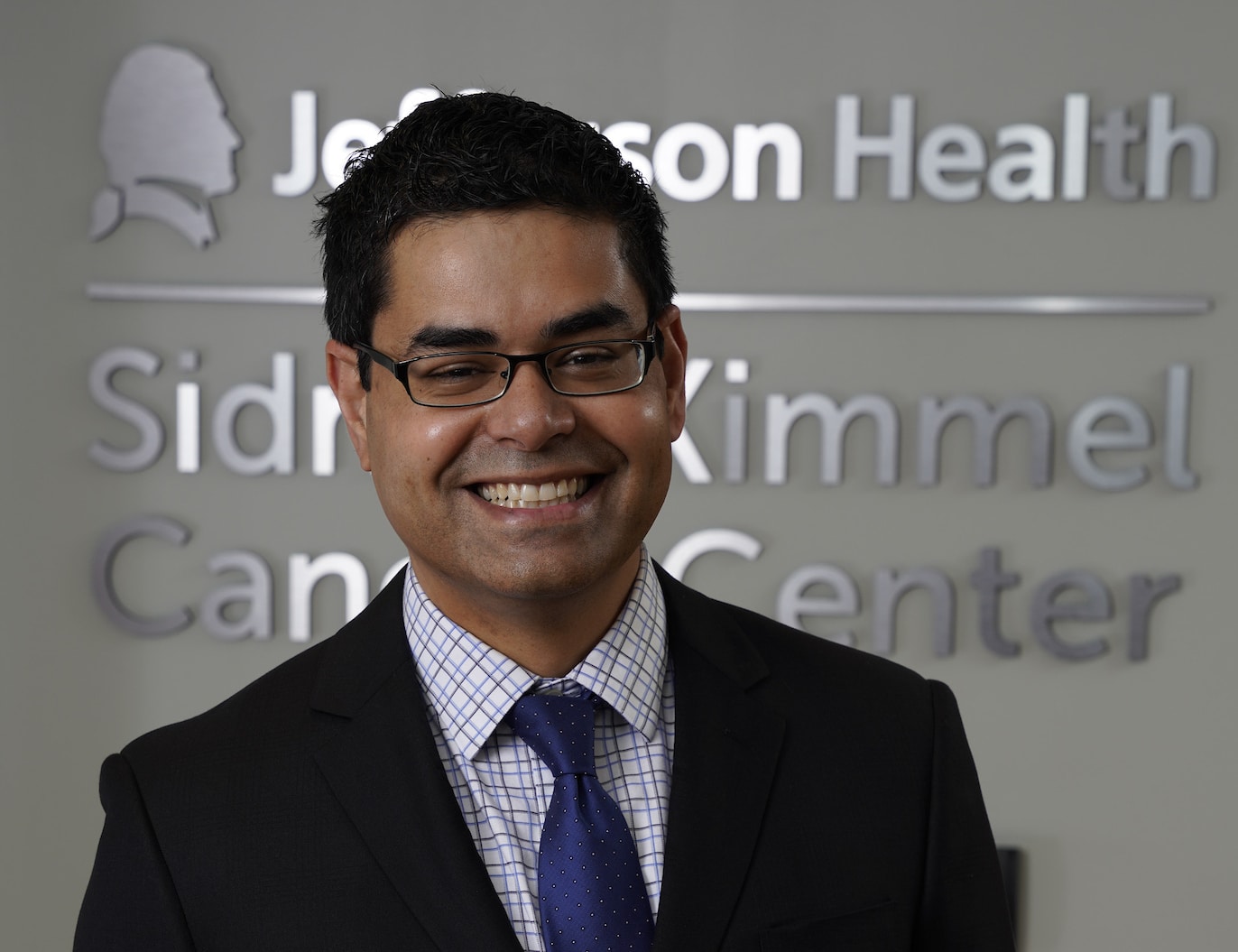
The SDND program, launched in 2024 by the Sidney Kimmel Comprehensive Cancer Center – Jefferson Health, is a clinical care access initiative that connects patients with newly diagnosed or suspected cancer with an oncology nurse practitioner or physician’s assistant within 48 hours through telehealth appointments. “The clinician can answer medical questions, triage the patient and coordinate further tests and specialist appointments, and connect the patient with resources and support services,” explained Avnish K. Bhatia, MD, MBA, clinical director of the SDND program.
The program was designed to overcome some of the barriers related to economic status, education, and health access that many cancer patients face, Bhatia explained, to help patients accelerate their diagnostic workup and get treatment sooner. Through this program, support is available six days a week with extended hours. Access to the telemedicine visit is through the patient portal or additional mechanisms in place, including a link sent to patients via email or text message.
The researchers conducted a study to assess how the SDND program impacted participants on different socioeconomic risk tiers. Using the Social Vulnerability Index (SVI), they compared population-level data including demographics, insurance coverage, and treatment from 1,111 patients evaluated by SDND providers within the program and 1,720 patients seen by the same providers before the establishment of the program (pre-SDND). The SVI is a metric developed by the Centers for Disease Control and Prevention that stratifies communities based on their need for aid during environmental or public health crises using census-derived variables. Higher SVI percentiles correlate with poorer cancer-related outcomes, including a greater likelihood of late-stage disease at diagnosis and higher mortality rates. For the scope of the study, patients with an SVI percentile greater than 74% were considered at risk.
The analysis showed that, despite similar demographic profiles, the SDND group included an increased proportion of at-risk patients (21.8%) compared with the pre-SDND group (15.47%). Furthermore, a higher proportion of high-risk patients seen through the SDND program (17.14%) received first-line therapy than their counterparts evaluated pre-SDND (7.09%) in a similar time window of approximately two years.
“The SDND program allowed us to increase the outreach and impact on patients who are most at risk and traditionally have poorer cancer outcomes,” said Flemming. “Our findings show that programs such as the SDND are beneficial to all patients but specifically lift up some of the more at-risk ones, providing some equity in cancer care.”
Bhatia added, “Being diagnosed with cancer is really overwhelming for many patients, as there are a lot of steps that have to be taken to move forward with treatment, and a number of inherent barriers exist. Some patients also face additional neighborhood-related barriers. It is very exciting to see a higher proportion of those patients going on to initiation of treatment.”
According to the authors, one of the key limitations of the study is the fact that it used population-level data as opposed to individual patient data, therefore the analysis did not include factors such as the stage at presentation, how long it took for patients to start therapy, and long-term outcomes. “I think we have a good framework for future research in that direction, and we hope to pursue a prospective study in the near future,” said Flemming.
This study was supported by the researchers’ institution. Flemming and Bhatia declared no conflicts of interest.
Download a photo of Flemming Download a photo of Bhatia