PARP Inhibitor Combination Approved for Metastatic Prostate Cancer Sensitive to Hormone Therapy
The FDA approved a combination of the PARP inhibitor niraparib with a hormone therapy agent plus a corticosteroid for certain patients with metastatic prostate cancer.
The U.S. Food and Drug Administration (FDA) has approved the combination of niraparib and abiraterone acetate (Akeega) with prednisone for the treatment of patients with metastatic castration-sensitive prostate cancer carrying harmful or suspected harmful mutations in the BRCA2 gene, as determined by an FDA-approved test.
Niraparib belongs to a class of targeted therapies known as poly (ADP-ribose) polymerase (PARP) inhibitors. The PARP enzyme is essential for repairing a certain type of DNA damage that affects only one strand of the double helix. If left unrepaired, this type of lesion is converted into double-strand DNA damage, which is then repaired through a cellular mechanism called homologous recombination repair (HRR). The BRCA2 gene is part of the HRR pathway. A defective HRR due to BRCA2 gene mutations makes prostate cancer cells susceptible to PARP inhibitors, which kill HRR-mutated cells through synthetic lethality.
Abiraterone acetate is a type of hormone therapy approved for prostate cancer. It works by inhibiting the production of testosterone, which drives the growth of prostate cancer cells.
Prednisone is a steroid given with abiraterone acetate to manage some side effects related to the treatment.
The niraparib and abiraterone acetate with prednisone combination was previously approved in 2023 for patients with metastatic castration-resistant prostate cancer. The latest approval makes the combination available to patients whose cancers are still responsive to hormone therapy (castration-sensitive).
The approval of niraparib and abiraterone acetate with prednisone for this patient population was based on results from AMPLITUDE, a phase III randomized, double-blind study that enrolled patients with castration-sensitive metastatic prostate cancer who harbored mutations in HRR genes.
Patients were randomly assigned (1:1) to receive niraparib plus abiraterone acetate and prednisone (AAP) or placebo plus AAP daily. All patients also received continued androgen deprivation therapy.
In the overall study population, niraparib treatment resulted in a significant improvement in the radiographic progression-free survival (rPFS)—which is the length of time before a patient died or experienced disease progression that was detectable by imaging—compared with placebo.
Among 323 patients whose tumors carried mutations in the BRCA2 gene, individuals treated with niraparib experienced a 54% reduction in their risk of death or radiographic progression, with median rPFS not estimable for the niraparib plus AAP group and 26 months for the placebo plus AAP group. However, in 373 patients whose tumors carried mutations in other HRR genes but not in BRCA2, there were no significant differences in rPFS between the treatment arms, indicating that the improved rPFS with niraparib and AAP treatment observed in the general population was to be attributed primarily to the effects seen in patients whose tumors had BRCA2 mutations.
Ninety-one of the 323 patients with BRCA2-mutated tumors had died at the time of the first interim analysis for overall survival: 36 in the niraparib arm and 55 in the placebo arm (corresponding to 22% and 34% of the arm populations, respectively).
The recommended dose is 200 mg niraparib, 1,000 mg abiraterone acetate, and 5 mg prednisone once a day until disease progression or unacceptable toxicity.
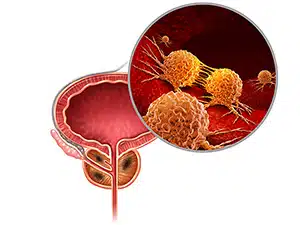
Prostate cancer is the second leading cause of cancer death among men in the United States. BRCA2 mutations are associated with sensitivity to PARP inhibitors, aggressive disease, and high genomic instability. According to federal statistics, it was estimated that 313,780 individuals would be diagnosed with prostate cancer, and 35,770 patients would die of the disease in the United States in 2025.
The FDA rendered its decision on December 12, 2025. Check this resource for updated information on all therapeutics regulated by the FDA.