
March 27, 2020: The Week in Cancer News
Cancer patients and survivors share tips on how to respond to the coronavirus pandemic, and more news of the week from Cancer Today.

Cancer patients and survivors share tips on how to respond to the coronavirus pandemic, and more news of the week from Cancer Today.

The world is facing a pandemic unlike any in living memory. For our cancer research community, the novel coronavirus epidemic evokes memories of the 2003 outbreak of Severe Acute Respiratory Syndrome (SARS), which had far-reaching effects including the rescheduling of American Association for Cancer Research (AACR) Annual Meeting. Yet the total reported caseload of SARS was approximately 8,000, with 774 deaths; only 29 cases were identified in the United States.
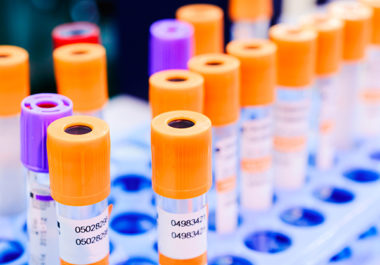
Cancer centers are making changes to care for some patients enrolled in trials.

Pancreatic cancer remains a difficult disease to treat and is expected to be the second leading cause of U.S. cancer-related deaths by 2030.

A gene-editing tool called CRISPR holds promise for treating cancer. What does the new technology mean for patients?

The Cytosponge provides a cheaper alternative to an endoscopy.

The American Society for Radiation Oncology created guidelines to address controversies over when radiation should be used.
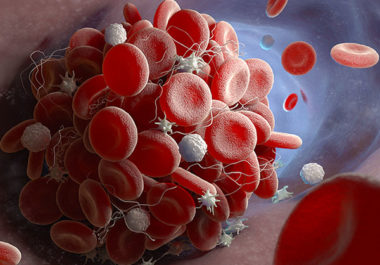
Typically, patients are treated with heparin, an injectable blood thinner, after a blood clot develops, but updated guidelines support use of oral blood thinners.

Some patients may find their doctor recommends cryoablation, a less invasive procedure that uses extreme cold to kill cancer cells, as an alternative to surgery or radiation.

Cancer Today editor-in-chief William G. Nelson, MD, PhD, discusses emerging insights into epigenetic abnormalities in cancer cells.

AACR Fellow Lewis C. Cantley, PhD, leads a national effort targeting triple-negative breast cancer and ovarian cancer with a novel drug combination.
Learn More