AACR Announces Recipients of the 2026 AACR June L. Biedler Prize for Cancer Journalism
PHILADELPHIA – The American Association for Cancer Research (AACR) is pleased to announce the recipients of the 2026 AACR June L. Biedler Prize for Cancer Journalism in the following categories:
Magazine
Newspaper
- “NIH scientists have a cancer breakthrough. Layoffs are delaying it.”
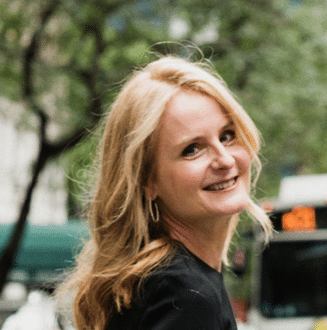
By Carolyn Johnson (Photo), The Washington Post
Online/Multimedia
- “Cancer Capitalism”
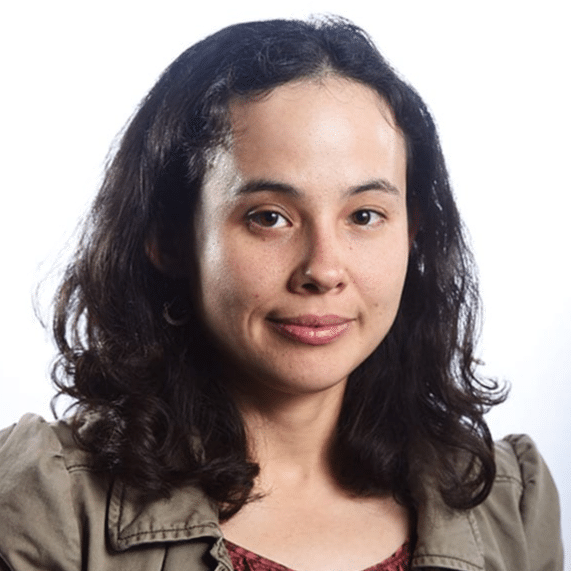
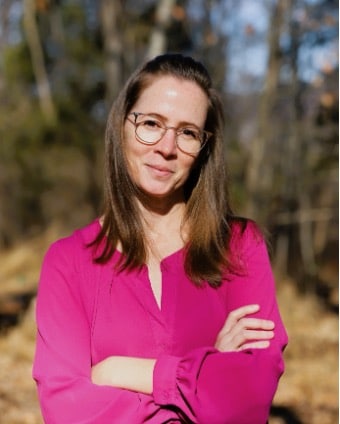
By Robert Langreth (Photo) and Tanaz Meghjani (Photo), and Anna Edney (Photo), Bloomberg News


Television/Radio/Podcast
- “Researchers in Oregon aim to slow down cancer by remotely cooking tumors”
By Jes Burns (Photo) and Brooke Herbert (Photo), Oregon Public Broadcasting’s All Science. No Fiction. - “Diagnosis Young: The New Face of Cancer in NC”
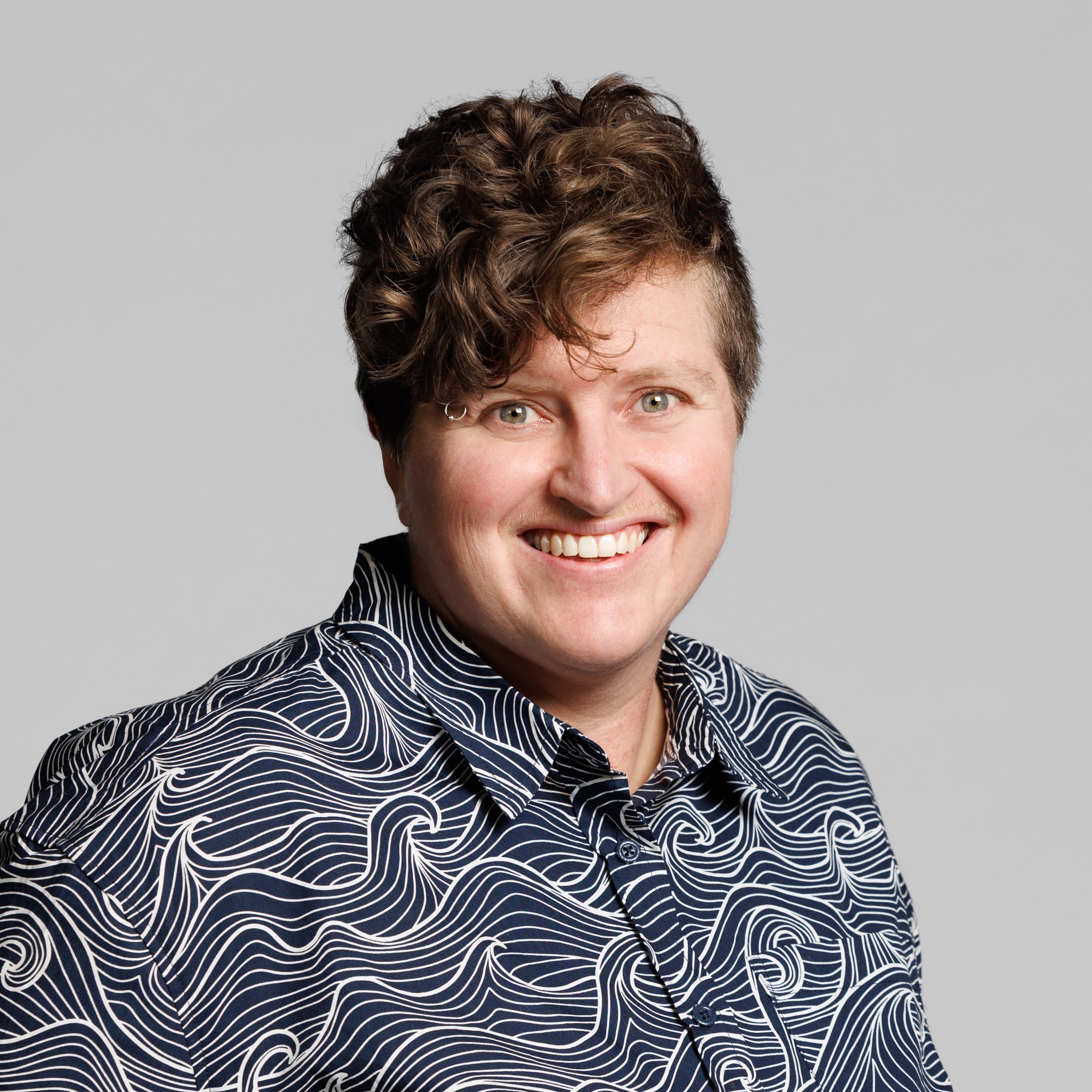
By Cristin Severance (Photo) and Dwayne Myers (Photo), WRAL, Raleigh, North Carolina


The prize recipients will be recognized on Sunday, April 19, during the Opening Ceremony at the AACR Annual Meeting 2026 in San Diego, California. The AACR Annual Meeting brings together thousands of researchers, clinicians, survivors, patients, and advocates to share the latest advances in cancer science and medicine.
The AACR June L. Biedler Prize for Cancer Journalism was established in 2015 to raise awareness of the critical role that the media play in educating the public about cancer and cancer research. The prize showcases outstanding examples of cancer journalism and recognizes individual professional journalists who have produced accurate, informative, and compelling stories that enhance the public’s understanding of cancer, cancer research, cancer advocacy, or cancer policy. The prize is named in honor of June L. Biedler, PhD, and is supported by a generous bequest she made to the AACR.
“The AACR is thrilled to honor these distinguished journalists with the 2026 AACR June L. Biedler Prize for Cancer Journalism,” said Margaret Foti, PhD, MD (hc), chief executive officer of the AACR. “The recipients of this year’s awards all demonstrated a remarkable ability to communicate complex scientific concepts in clear, accessible language while crafting a compelling narrative. Their stories exemplify impactful health and science reporting and have truly enriched the public’s understanding of cancer. We are grateful to be able to continually recognize journalists with the generous bequest from Dr. Biedler and to celebrate and amplify their essential work.”
“There is nothing about cancer—the science, treatment, drug development, survivorship, or the day-to-day experiences of millions of patients worldwide—that isn’t steeped in complexity,” said Clifton Leaf, adjunct professor at Columbia Journalism School, former editor-in-chief of Fortune, visiting member of the Ellison Medical Institute, and chair of the Biedler Prize since 2017. “And yet this year’s Biedler Prize winners and finalists brought clarity and understanding to every question they explored. That is what great reporters do.”
ABOUT THE WINNING SUBMISSIONS
Magazine
- “My Colon” by Laurie Abraham, New York Magazine
In this personal essay, freelance journalist and editor Laurie Abraham masterfully combines frank, first-person storytelling with a comprehensive look into current research and treatment in colorectal cancer. She uses blunt language and real-world examples throughout the piece to explain the natural aversion to talking about this cancer that is often, as she writes, shameful in the hierarchy of cancer diagnoses. A balance between a public service announcement and entertainment, Abraham takes readers through her diagnosis and treatment, fearlessly describing her own feelings and translating highly technical medical information into understandable language for a lay audience.
Newspaper
- “NIH scientists have a cancer breakthrough. Layoffs are delaying it.” by Carolyn Johnson, The Washington Post
In this timely and important article, Carolyn Johnson skillfully merges two intersecting narratives: a look into promising new research in using tumor-infiltrating lymphocyte (TIL) therapy on solid tumors and the real-world impact of the reduction-in-force announcements for the National Institutes of Health (NIH). Johnson explores the history of cell-based immunotherapy and the elusiveness of its efficacy in solid tumors, underscoring why progress in this field, and particularly in TIL therapy, is critically important. Johnson also tells the story of a patient who turned to the NIH after years of treatment, where the promise of a clinical trial testing TIL therapy offered renewed hope, followed by uncertainty when important members of the trial team were laid off. Johnson’s work highlights how politics can impede scientific progress and the many individuals who are directly affected by these types of decisions.
Online/Multimedia
- “Cancer Capitalism” by Robert Langreth, Tanaz Meghjani, Anna Edney, Bloomberg News
In this three-part series, Robert Langreth, Tanaz Meghjani, and Anna Edney shed light on a critical issue often speculated about in cancer treatment. They provide evidence-based, data-driven insights on what they call “cancer capitalism,” in which the drive for profit can harm patients. The series begins with an analysis of the data behind high-cost cancer pharmaceuticals, followed by an examination of a medical device implanted in breast cancer patients that failed to dissolve as intended, and concludes with an exploration of how lower doses of $200,000 drugs may help hundreds of thousands of people around the world.
Television/Radio/Podcast
- “Researchers in Oregon aim to slow down cancer by remotely cooking tumors” by Jes Burns and Brooke Herbert, Oregon Public Broadcasting’s All Science. No Fiction.
In this creative video report, Jes Burns and Brooke Herbert take a light-hearted approach to explaining innovative scientific research, humanizing the scientific process while clearly explaining an emerging nanotechnology-based approach to slowing tumor growth. The narration, visuals, and pacing work together seamlessly to make complex concepts understandable, using thoughtful graphics and physical props to illustrate how the technology functions and why it holds promise for the treatment of ovarian cancer and endometriosis. - “Diagnosis Young: The New Face of Cancer in NC” by Cristin Severance and Dwayne Myers, WRAL
In this impactful documentary, Cristin Severance and Dwayne Myers present a compelling, well-executed exploration of the growing prevalence of cancer diagnoses among younger adults. Through powerful personal stories, the piece effectively educates viewers about how cancer is increasingly affecting populations that have not traditionally been seen as high risk, challenging long-held assumptions about age and cancer. By highlighting the physical, emotional, and life-stage disruptions faced by younger patients, the documentary deepens public awareness of an important and evolving cancer trend.