Investigational KRAS(ON) Inhibitor Zoldonrasib Showed Effective and Durable Responses in Patients With Advanced G12D-mutated Lung Cancer
SAN DIEGO – The investigational KRAS G12D inhibitor zoldonrasib showed evidence of clinical activity and a favorable safety profile in patients with previously treated non-small cell lung cancer (NSCLC) whose tumors harbored a KRAS G12D mutation, according to an updated trial analysis presented at the American Association for Cancer Research (AACR) Annual Meeting 2026, held April 17-22.
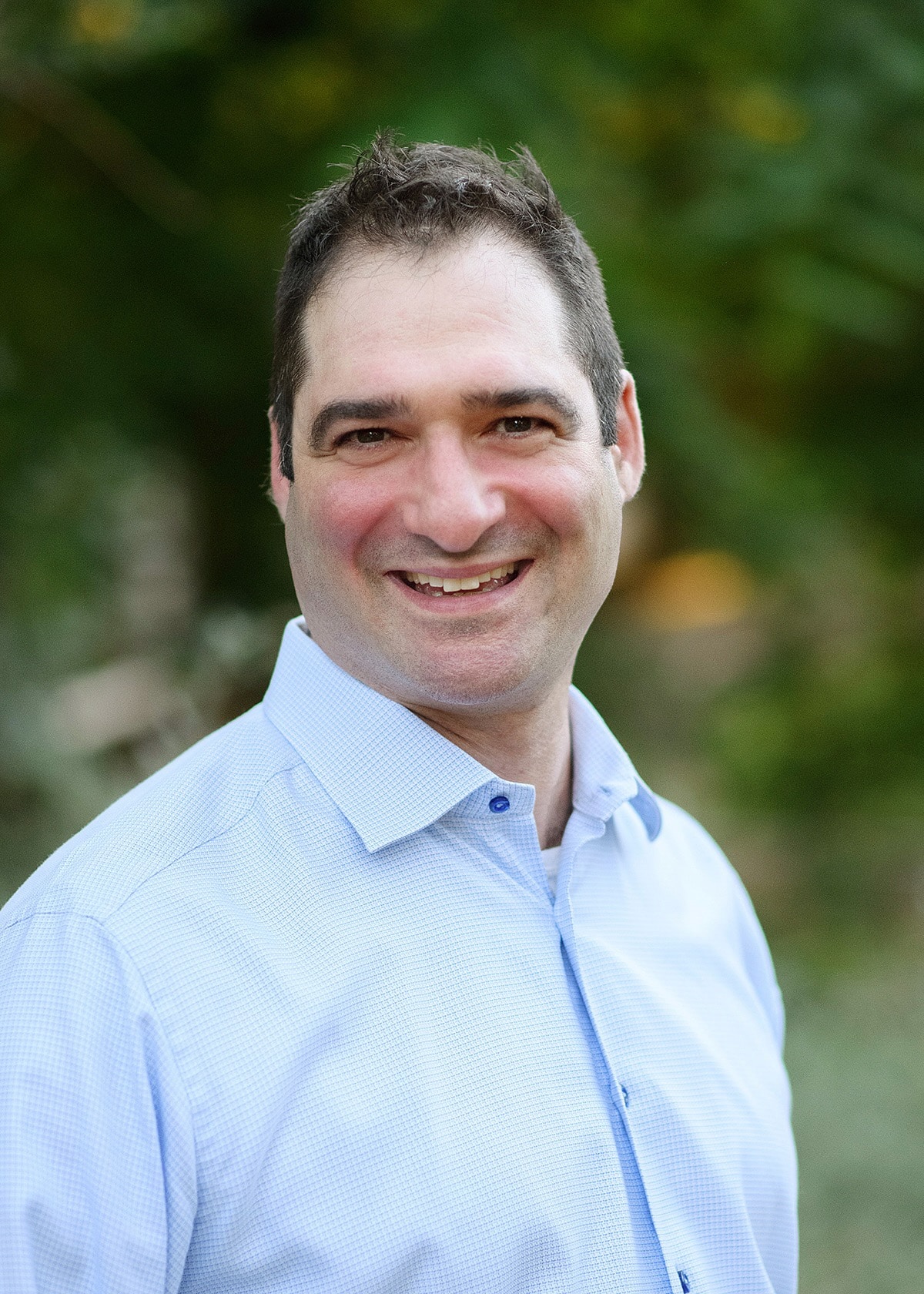
While two KRAS inhibitors have been approved by the U.S. Food and Drug Administration (FDA) for treatment of KRAS G12C-mutated NSCLC, no RAS-targeted therapy is currently available for patients whose tumors harbor KRAS G12D mutations. These mutations are found approximately in 4% of patients with NSCLC and are also present in a substantial portion of patients with pancreatic cancer and other gastrointestinal cancers, among others, explained presenter Jonathan W. Riess, MD, professor of medicine, director of Thoracic Oncology, and director of Early Phase Therapeutics at University of California (UC), Davis Comprehensive Cancer Center. “Targeting and overcoming KRAS G12D-driven cancers, including NSCLC, with next-generation KRAS inhibitors represents a major unmet need for our patients,” said Riess.
KRAS functions by cycling between an active (ON) state and an inactive (OFF) state. Mutations lock KRAS in its active state, which is bound to the GTP molecule, resulting in uncontrolled oncogenic signaling. Zoldonrasib is an oral, G12D-selective tri-complex RAS(ON) inhibitor that forms a ternary complex with KRAS. This complex prevents KRAS from engaging and activating key downstream effector proteins involved in cell survival and growth.
Safety and efficacy of zoldonrasib are being tested in a phase I clinical trial in patients with KRAS G12D-mutant solid tumors who have received at least one prior line of treatment. Early trial results showed encouraging responses and safety profile in a subgroup of patients with NSCLC. Based on these observations, zoldonrasib received FDA Breakthrough Therapy designation in January 2026 for this patient population.
In the most recent analysis, safety and tolerability were assessed in all trial participants with NSCLC who had received prior therapies and were treated at the recommended phase II dose of 1,200 mg once daily (40 patients). No grade 4 or higher treatment-related adverse events (TRAE) were observed. Grade 3 TRAEs were reported in 13% of patients and included diarrhea and anemia. TRAEs led to dose interruptions in 15% of patients, dose reductions in 3% of patients, and dose discontinuations in 5% of patients.
Clinical efficacy was evaluated in 27 patients who received the recommended phase II dose and who had been previously treated with immune checkpoint inhibitor therapy and platinum-based chemotherapy (concurrent or sequential) but not with docetaxel. In this subgroup, investigators reported a confirmed objective response rate of 52% and a disease control rate of 93%. Median duration of response was not estimable, median progression-free survival was 11.1 months, and median overall survival was not reached. The overall survival rate at 12 months was 73%.
“Zoldonrasib demonstrated a favorable safety and tolerability profile, a promising response rate with durable responses, and an encouraging rate of disease control in patients whose lung cancer had progressed on prior chemotherapy and immunotherapy,” said Riess. “Our findings suggest that KRAS G12D-mutated lung cancer is treatable with promising efficacy of zoldonrasib.”
“While the safety signals and preliminary antitumor activity are encouraging, the results are based on a small sample size,” added Riess. “This study provides a preliminary encouraging signal of zoldonrasib activity in KRAS G12D-mutant NSCLC. Additional ongoing studies will help further define zoldonrasib’s potential benefit in this context.”
The study was funded by Revolution Medicines.
Riess reported honoraria for advisory boards and consulting from Daiichi Sankyo, Bristol Myers Squibb, Janssen, Regeneron, Genentech, Merck, Pfizer, GSK, Replimune, OncoHost, ArriVent, Nuvation Bio, Nuvalent, Taiho Pharmaceuticals, Verastem, Boehringer Ingelheim, AstraZeneca, Foundation Medicine, and Revolution Medicines. UC Davis Comprehensive Cancer Center received research funding from AstraZeneca, Novartis, Merck, Revolution Medicines, Prelude Therapeutics, BlossomHill Therapeutics, Summit Pharmaceuticals, Pfizer, Nuvalent, IO Biotech, Boehringer Ingelheim, Bicycle Therapeutics, Janssen, and ArriVent.
DOWNLOAD A PHOTO OF RIESS