AACR Announces 2026 Scientific Achievement Award Recipients
SAN DIEGO – The American Association for Cancer Research (AACR) will honor the following cancer researchers and physician-scientists during the AACR Annual Meeting 2026, to be held April 17-22 at the San Diego Convention Center in San Diego, California.
Awardees to be recognized at the AACR Annual Meeting 2026 in San Diego
SAN DIEGO – The American Association for Cancer Research (AACR) will honor the following cancer researchers and physician-scientists during the AACR Annual Meeting 2026, to be held April 17-22 at the San Diego Convention Center in San Diego, California.
AACR Award for Lifetime Achievement in Cancer Research: James P. Allison, PhD, FAACR
This award honors individuals who have made significant fundamental contributions to cancer research, either through a single scientific discovery or a body of work. These contributions, whether in research, leadership, or mentorship, must have had a lasting impact on the cancer field and must have demonstrated a lifetime commitment to progress against cancer.
Allison, a Fellow of the AACR Academy, is the Regental Professor and chair of the Department of Immunology, vice president for immunobiology, and founding director of the James P. Allison Institute at The University of Texas MD Anderson Cancer Center. He is being recognized for his lifelong scientific achievements and transformative contributions to cancer research and patient care. Most notably, Allison is being celebrated for his identification of CTLA-4 as a negative regulator of T-cell activation, an insight that has since been translated into a first-in-class therapy that revitalized the field of cancer immunology and led to a revolution in novel cancer immunotherapy treatments. Built largely on the foundation of his pioneering discoveries, immune checkpoint inhibitors and other cancer immunotherapeutics now represent highly precise and effective treatment options for many cancer patients. Through his landmark contributions to cancer research, as well as his scientific leadership in advancing the future of immuno-oncology, Allison has and continues to make an unparalleled impact on the cancer field, reshaping its scientific direction and improving the lives of patients worldwide.
Allison’s award lecture will be held on Sunday, April 19, at 3 p.m. PT.
PHOTO OF ALLISON NEWS RELEASE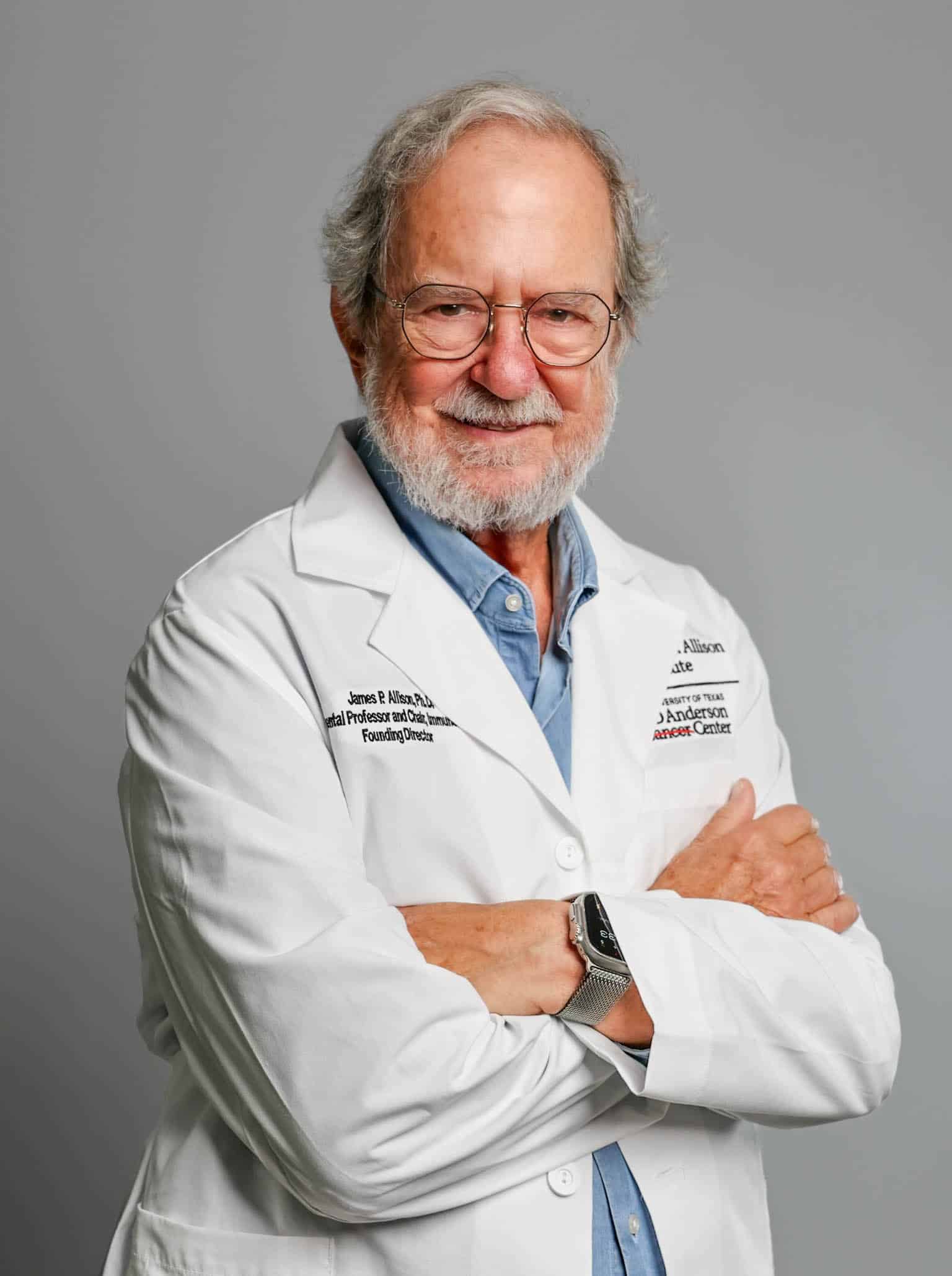
AACR Award for Outstanding Achievement in Basic Cancer Research: Housheng Hansen He, PhD
This award recognizes early-career investigators for meritorious achievements in basic cancer research.
He is a professor in the Department of Medical Biophysics at the University of Toronto and senior scientist at the Princess Margaret Cancer Centre. He is being recognized for pioneering contributions to cancer epigenetics and RNA medicine, particularly in revealing how chromatin accessibility and epigenomic landscapes govern oncogenic transcription. He’s landmark studies of FOXA1-androgen receptor networks, noncoding RNAs, and RNA modifications have transformed the understanding of tumor progression, plasticity, and therapeutic resistance. By bridging functional genomics with clinical insight, his work has generated foundational resources and opened new avenues for RNA-based precision therapies.
He’s award lecture will be held on Monday, April 20, at 4:15 p.m. PT.
Photo of He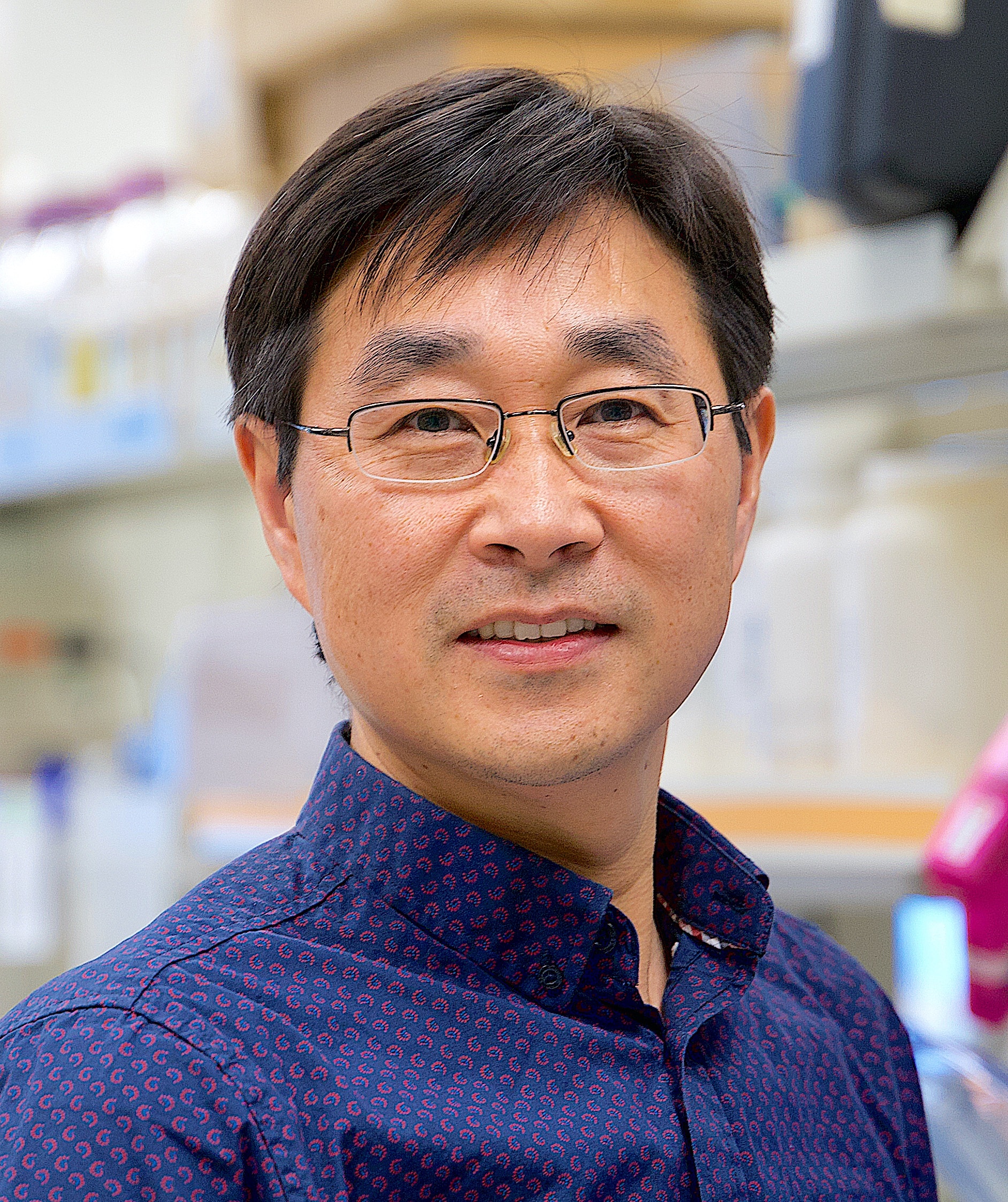
AACR Award for Outstanding Achievement in Blood Cancer Research: John F. DiPersio, MD, PhD
This award, supported by AbbVie, recognizes individuals on the basis of their meritorious achievements and contributions to any aspect of blood cancer research.
DiPersio is the Virginia E. and Sam J. Golman Professor of Medicine and professor of medicine, immunology, and pathology at Washington University School of Medicine in St. Louis. He is also director of the Center for Gene and Cellular Immunotherapy at Siteman Cancer Center at Barnes-Jewish Hospital and WashU Medicine. DiPersio is being recognized for pioneering advances in leukemia and stem cell biology, including his essential contributions to the development of the hematopoietic stem cell mobilizing agents plerixafor and motixafortide. DiPersio identified AK1/2 signaling in graft-versus-host disease, which led to the identification and approval of JAK inhibitors, including ruxolitinib (Jakafi). His discoveries defining clonal evolution in acute myeloid leukemia have transformed the understanding of cancer relapse and have advanced novel CAR T and CAR-iNKT (invariant natural killer T) therapies for acute lymphoblastic leukemia and multiple myeloma, expanding available treatment options and improving patient outcomes.
DiPersio’s award lecture will be held on Tuesday, April 21, at 4:15 p.m. PT.
Photo of DiPersio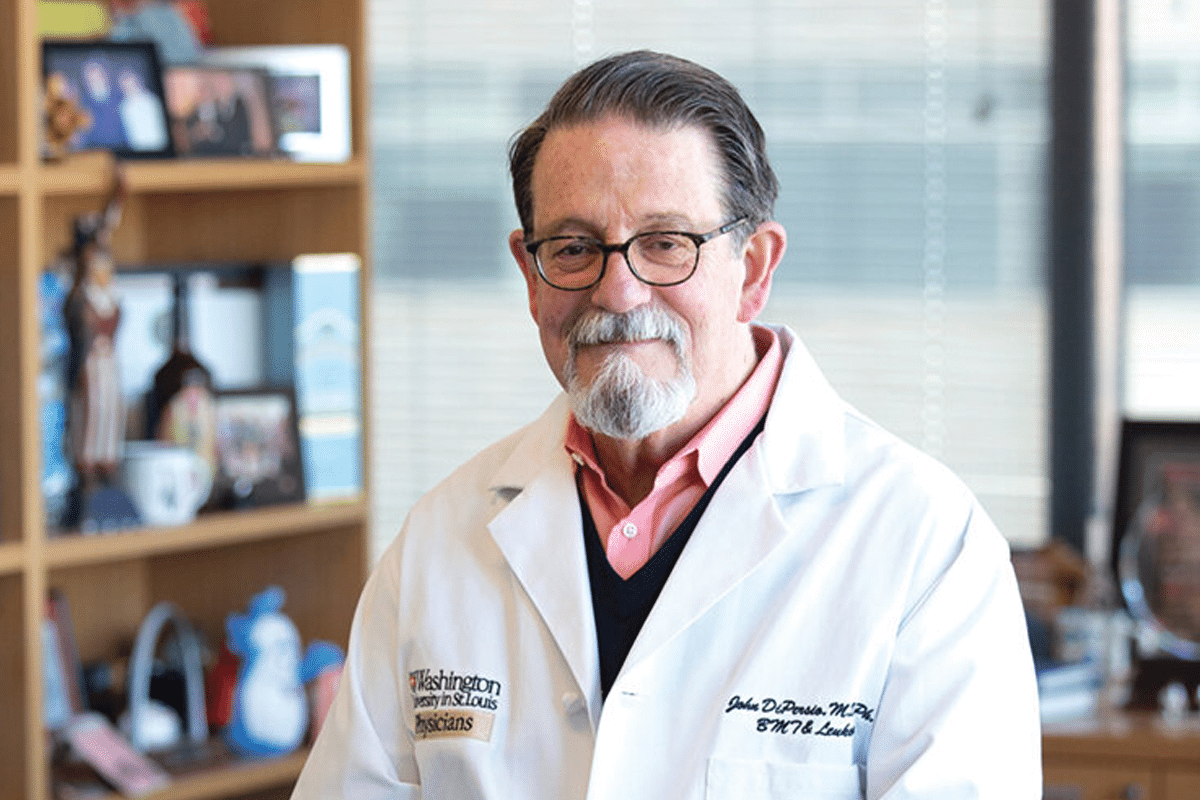
AACR Award for Outstanding Achievement in Chemistry in Cancer Research: Cheryl H. Arrowsmith, PhD
This award is presented for outstanding, novel, and significant chemistry research that has led to important contributions in basic cancer research, translational cancer research, cancer diagnosis, the prevention of cancer, or the treatment of patients with cancer.
Arrowsmith is a senior scientist at the Princess Margaret Cancer Centre, University Health Network; chief scientist of the Structural Genomics Consortium; and professor in the Department of Medical Biophysics at the University of Toronto. She is being recognized for pioneering contributions to chemical biology and cancer epigenetics, including foundational studies defining the structure and function of chromatin-associated proteins that regulate gene expression in cancer. Arrowsmith’s work has enabled the development of chemical probes targeting epigenetic regulators such as protein methyltransferases, methyl-lysine “reader domains,” bromodomains, and other chromatin-modifying enzymes, providing critical tools to interrogate cancer biology. Further, through her leadership of the Structural Genomics Consortium, she has advanced open science approaches that have accelerated the discovery of novel cancer therapeutic targets and strategies.
Arrowsmith’s award lecture will be held on Monday, April 20, at 5:15 p.m. PT.
Photo of Arrowsmith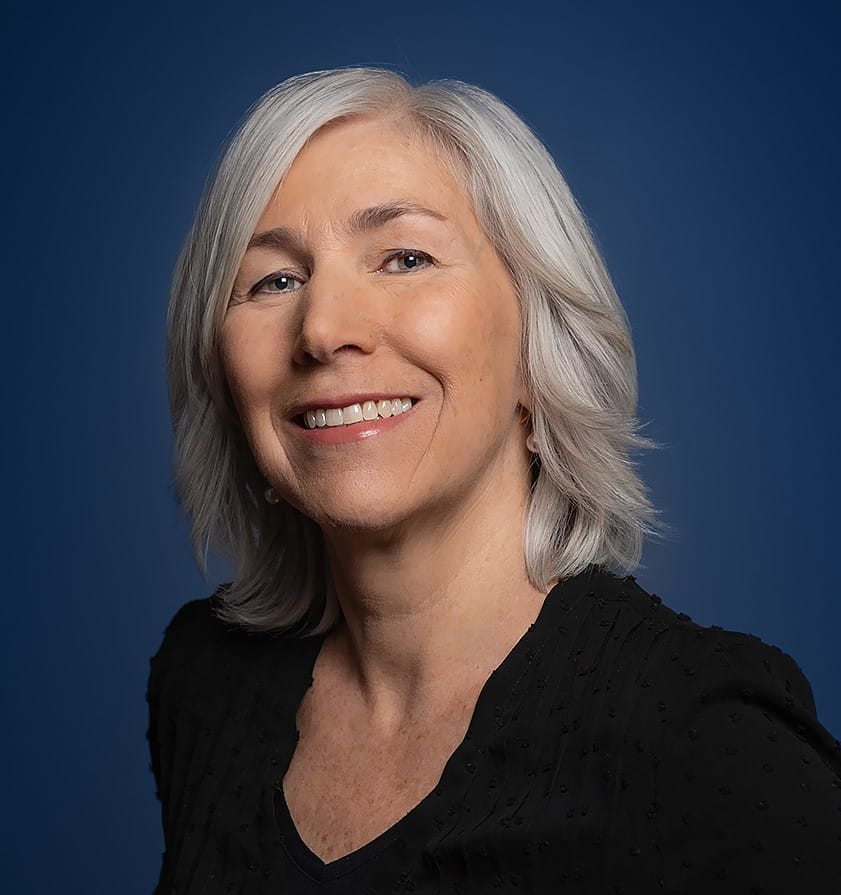
AACR-Daniel D. Von Hoff Award for Outstanding Contributions to Education and Training in Cancer Research: Charles W.M. Roberts, MD, PhD, FAACR
This award recognizes individuals who have made significant contributions to the education and training of cancer scientists and physicians at any career level and in any area of cancer research.
Roberts, a Fellow of the AACR Academy, is the executive vice president and director of the St. Jude Comprehensive Cancer Center. He is also a member in the Department of Oncology and Lillian R. Cannon Comprehensive Cancer Center Director Endowed Chair at the St. Jude Children’s Research Hospital. He is being recognized for outstanding leadership and dedication to the education and training of cancer researchers across the spectrum of childhood cancer research, including basic, translational, clinical, and population science. Roberts’ exceptional mentorship has guided numerous trainees toward successful and diverse careers as independent investigators, academic leaders, and innovators in the biomedical enterprise. Through visionary initiatives, including the creation of the global Science of Childhood Cancer seminar series and leadership of career development programs for early-stage investigators, he has expanded access to high-quality training and fostered a vibrant, collaborative community that is shaping the next generation of leaders in pediatric, adolescent, and young adult cancer research.
Roberts’ award lecture will be held on Tuesday, April 21, at 4 p.m. PT.
Photo of RobertsAACR James S. Ewing-Thelma B. Dunn Award for Outstanding Achievement in Pathology in Cancer Research: David L. Rimm, MD, PhD
This award, named for the AACR’s first President, James S. Ewing, MD, and the AACR’s first female President, Thelma B. Dunn, MD, both of whom were pathologists, serves to recognize and celebrate pathologists who have significantly contributed to advancing cancer research, diagnosis, treatment, and prevention.
Rimm is the Anthony N. Brady Professor of Pathology, professor of medicine in oncology, director of Quantitative Diagnostics in the Anatomic Pathology Lab, director of the Yale Pathology Tissues Services, and director of the Physician Scientist Training Program in Pathology in the Department of Pathology at the Yale University School of Medicine. He is also a member of Yale Cancer Center and director of the Yale Cancer Center Tissue Microarray Facility. He is being recognized for pioneering innovation in quantitative biomarker science that has transformed cancer diagnostics and treatment. Rimm’s invention of the fluorescence-based Automated Quantitative Analysis platform has revolutionized immunohistochemistry by enabling precise, reproducible protein quantification in tissue specimens. His extensive work advancing multiplexed and computational imaging approaches, and his leadership in defining clinically relevant differences in PD-L1 assays, HER2 assays, and immune biomarkers using standardization and harmonization approaches have effectively shaped precision cancer medicine.
Rimm’s award lecture will be held on Sunday, April 19, at 3:15 p.m. PT.
Photo of Rimm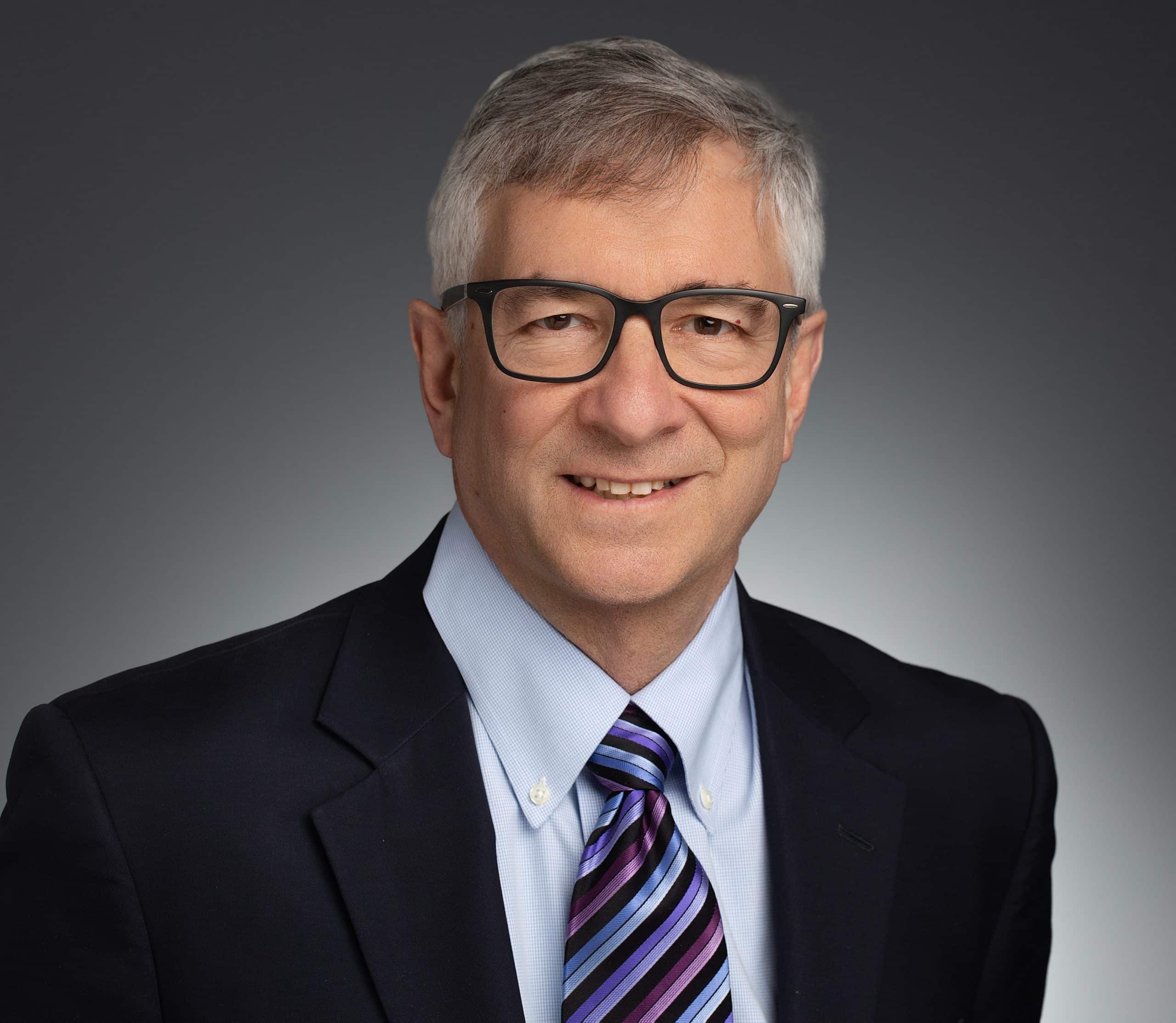
AACR-Margaret Foti Award for Leadership and Extraordinary Achievements in Cancer Research: Antoni Ribas, MD, PhD, FAACR
This award recognizes true champions of cancer research whose leadership and extraordinary achievements in cancer research have had a major impact on the field. Such achievements may include contributions to the acceleration of progress against cancer, raising national or international awareness of the importance of cancer research, or other ways of demonstrating a sustained extraordinary commitment to cancer research.
Ribas, a Fellow of the AACR Academy and AACR Past President, is professor of medicine, surgery, and molecular and medical pharmacology at the University of California Los Angeles (UCLA), as well as director of the Tumor Immunology Program at the UCLA Jonsson Comprehensive Cancer Center and director of the Parker Institute for Cancer Immunotherapy Center at UCLA. He is being recognized for his exceptional leadership and extraordinary achievements in cancer research, including pioneering contributions to melanoma biology and cancer immunotherapy that have been instrumental to the clinical development of pembrolizumab (Keytruda) and other transformative therapies. His seminal research has accelerated progress in cancer treatment by defining mechanisms of immunotherapy response and resistance, which has guided the design of innovative combination therapy approaches. Through his sustained leadership in clinical and translational research and service to the cancer research community, Ribas has played a pivotal role in advancing modern cancer medicine and has made a profound impact on patients and the broader cancer research field.
Ribas’ award lecture will be held on Monday, April 20, at 4:15 p.m. PT.
Photo of Ribas News Release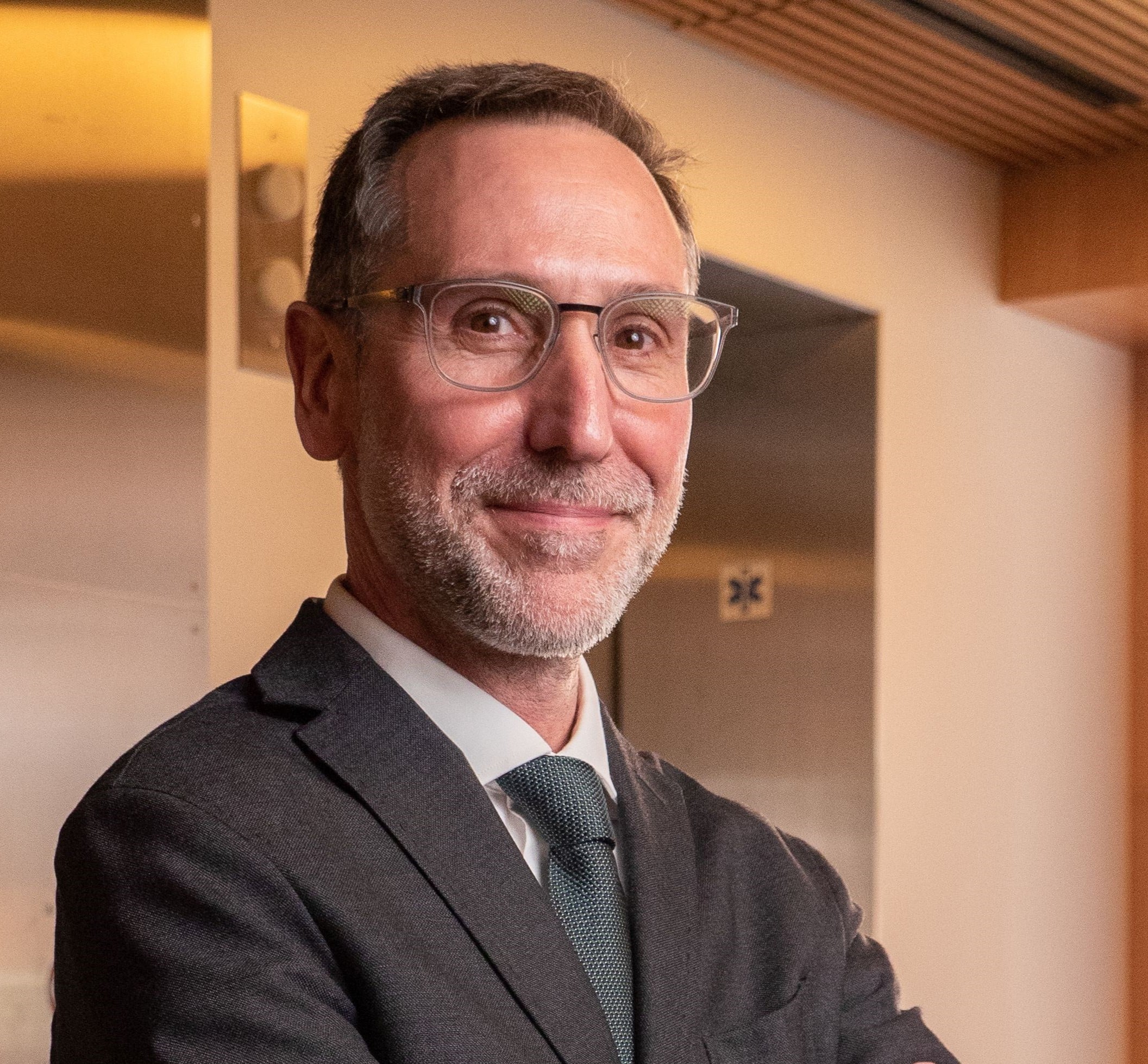
AACR Team Science Award: Cancer Dependency Map (DepMap) Team
This award, supported by Loxo@Lilly, recognizes outstanding interdisciplinary research teams for their innovative and meritorious science that has advanced or likely will advance our fundamental knowledge of cancer, or a team that has applied existing knowledge to advance the detection, diagnosis, prevention, or treatment of cancer.
The Broad Institute Cancer Dependency Map (DepMap) Team is being recognized for their novel work in systematically mapping genetic dependencies across cancer cells, creating a comprehensive resource that reveals genes and pathways essential for tumor survival. By combining large-scale CRISPR functional genomic screens, drug response data, and multiomic profiling, the Cancer Dependency Map team has uncovered lineage- and genotype-specific cancer vulnerabilities, including synthetic lethal dependencies such as WRN in microsatellite instability cancers and PRMT5 dependencies in cancers harboring MTAP deletions. Their work has transformed the discovery and prioritization of therapeutic targets and has become a foundational resource for cancer research and drug development worldwide.
The team members include:
- Francisca Vazquez, PhD (Team Leader)
- Jesse S. Boehm, PhD
- Catarina Campbell, PhD
- Glenn Cowley, PhD
- Joshua M. Dempster, PhD
- Levi A. Garraway, MD, PhD, FAACR
- Todd R. Golub, MD, FAACR
- William C. Hahn, MD, PhD
- James McFarland, PhD
- Philip Montgomery, MS
- David E. Root, PhD
- Jennifer A. Roth, MBA, MA
- William R. Sellers, MD, FAACR
- Yuen-Yi “Moony” Tseng, PhD
- Aviad Tsherniak, MS
- Barbara A. Weir, PhD
Vazquez will give a presentation on their work on Saturday, April 18, at 12:30 p.m. PT.
Group Photo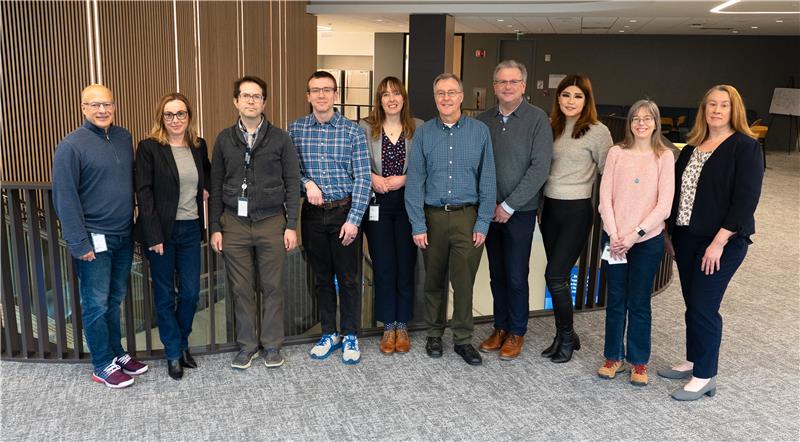
AACR-American Cancer Society Award for Research Excellence in Cancer Epidemiology and Prevention: Elizabeth A. Platz, ScD, MPH
This award, supported by the American Cancer Society, recognizes outstanding research accomplishments in cancer epidemiology, biomarkers, and prevention.
Platz is professor and Martin D. Abeloff, MD Scholar in Cancer Prevention in the Department of Epidemiology at the Johns Hopkins Bloomberg School of Public Health. She also serves as the associate director of population sciences at the Sidney Kimmel Comprehensive Cancer Center at Johns Hopkins. She is being recognized for her contributions to cancer epidemiology and translational research, including her fundamental advances in understanding prostate cancer development, progression, and prevention. Platz’s pioneering research has linked intraprostatic inflammation to prostate cancer risk, identified telomere length patterns as powerful prognostic biomarkers, and demonstrated protective associations between statin use, cholesterol, and disease lethality. Her work has also revealed digoxin as a novel preventive and therapeutic candidate. Through visionary leadership and multidisciplinary collaborations, Platz has effectively shaped modern strategies for prostate cancer control and population health.
Platz’s award lecture will be held on Tuesday, April 21, at 5:15 p.m. PT.
photo of platz
AACR-Cancer Research Institute Lloyd J. Old Award in Cancer Immunology: Kenneth M. Murphy, MD, PhD
This award, supported by the Cancer Research Institute, recognizes active scientists whose outstanding and innovative research has had a major impact on the cancer field and has the potential to stimulate new directions in cancer immunology.
Murphy is the Eugene Opie First Centennial Professor in pathology and immunology at the Washington University School of Medicine in St. Louis. He is being recognized for his pioneering discoveries that have defined the development and functional specialization of dendritic cell subsets that regulate adaptive immune responses. Murphy’s research elucidated the transcriptional programs that control dendritic cell lineage commitment, including the role of transcription factors such as BATF3 in the development of cross-presenting dendritic cells required to prime cytotoxic T-cell responses. His work has advanced the fundamental understanding of antigen presentation and immune system regulation and has informed strategies to enhance antitumor immunity and cancer immunotherapy.
Murphy’s award lecture will be held on Tuesday, April 21, at 3 p.m. PT.
PHOTO OF MURPHY news release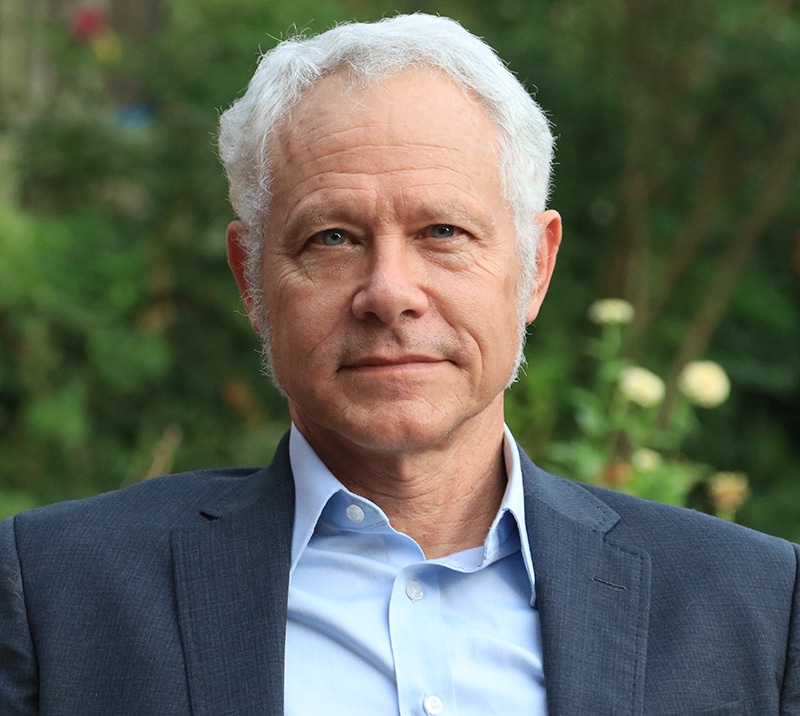
AACR-G.H.A. Clowes Award for Outstanding Basic Cancer Research: Andrew P. Feinberg, MD, MPH
The AACR’s oldest award, supported by Loxo@Lilly, is intended to recognize individuals who have made outstanding recent accomplishments in basic cancer research.
Feinberg is the Bloomberg Distinguished Professor at the Johns Hopkins University Schools of Medicine, Engineering, and Public Health. He also serves as director of the Center for Epigenetics of the Institute for Basic Biomedical Sciences. He is being recognized for pioneering discoveries that established the fundamental role of epigenetic alterations in cancer, including the identification of early, widespread DNA methylation abnormalities and the role of genomic imprinting in tumor development. Feinberg’s research demonstrated that large-scale epigenomic alterations, including global DNA hypomethylation and partially methylated domains, contribute to tumor initiation, progression, and cellular heterogeneity, leading to the concept of epigenetic plasticity as a driver of cancer evolution. His discoveries established the epigenome as a central driver of cancer biology, identified causal epigenetic mechanisms for cancer risk and progression, and laid the foundation for new approaches to cancer detection, prevention, and therapeutic intervention.
Feinberg’s award lecture will be held on Monday, April 20, at 5:30 p.m. PT.
PHOTO OF FEINBERG
AACR-Irving Weinstein Foundation Distinguished Lectureship: Dennis Lo, DM, DPhil
This award, supported by the Irving Weinstein Foundation, acknowledges individuals whose outstanding personal innovation in science and whose position as a thought leader in fields relevant to cancer research has the potential to inspire creative thinking and new directions in cancer research. The recipient is selected by the AACR President.
Lo is the vice-chancellor and president of the Chinese University of Hong Kong, where he also serves as the Li Ka Shing Professor of Medicine and professor of chemical pathology. He is being recognized for his pioneering contributions to biomedical science, including his seminal discovery of fetal DNA in maternal plasma, a breakthrough that revolutionized noninvasive prenatal testing and laid the foundation for the field of circulating free and tumor DNA. Lo was the first to identify cell-free fetal DNA and fetal epigenetic markers in maternal plasma, enabling safer and earlier prenatal diagnostics. Building on this discovery, Lo demonstrated that DNA released by tumors may be used for cancer screening, an insight that led to the development of circulating DNA-based tools for early cancer detection and screening. His visionary research continues to transform clinical practice and remains a cornerstone of precision medicine by shaping modern approaches to cancer diagnosis, treatment selection, and monitoring.
Lo’s award lecture will be held on Sunday, April 19, at 4 p.m. PT.
PHOTO OF LO NEWS RELEASE
AACR-Joseph H. Burchenal Award for Outstanding Achievement in Clinical Cancer Research: Luis A. Diaz Jr., MD, FAACR
This award recognizes outstanding achievements in clinical cancer research.
Diaz, a Fellow of the AACR Academy, is head of the Division of Solid Tumor Oncology and Grayer Family Chair at the Memorial Sloan Kettering Cancer Center. He is being recognized for his pioneering discoveries that have transformed cancer treatment options such as biomarker-driven immunotherapies and for demonstrating that tumors with mismatch repair deficiencies and microsatellite instability are highly responsive to immune checkpoint blockade. Diaz has also advanced the use of circulating tumor DNA to detect minimal residual disease and led clinical trials of PD-1 blockade in mismatch repair-deficient cancers, including rectal cancer studies that featured complete responses with immunotherapy alone. His work established defective DNA repair as a predictive biomarker for immunotherapy response and enabled the first tissue-agnostic approval of a cancer therapy based on a molecular signature.
Diaz’s award lecture will be held on Monday, April 20, at 5 p.m. PT.
PHOTO OF DIAZ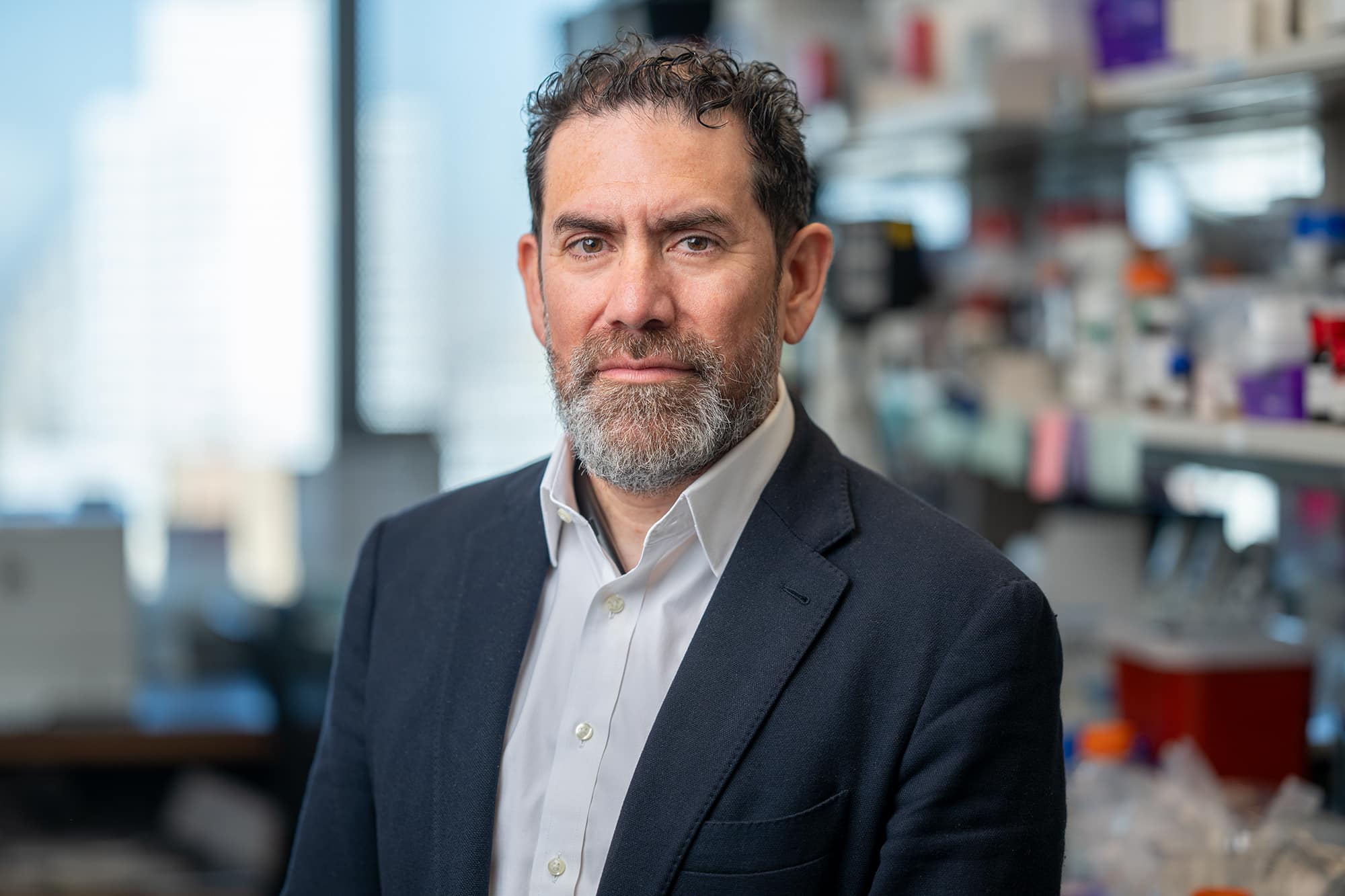
AACR-Minorities in Cancer Research Jane Cooke Wright Lectureship: Ahmedin M. Jemal, DVM, PhD
This lectureship, supported by Gilead and Kite Oncology, recognizes outstanding scientists who have made meritorious contributions to the field of cancer research and who have, through leadership or by example, furthered the advancement of minority investigators in cancer research.
Jemal is the senior vice president of the Surveillance, Prevention, & Health Services Research Department at the American Cancer Society. He is also an adjunct professor in the Department of Epidemiology at the Rollins School of Public Health at Emory University. He is being recognized for pioneering contributions to cancer epidemiology that have advanced the scientific understanding of cancer incidence, mortality, and disparities through integrative analyses of population-based cancer surveillance systems. Jemal’s research has quantified temporal and geographic trends in cancer burden using large-scale analysis of cancer registries, mortality rates, and risk factor data, identifying population-level determinants of cancer incidence, survival, and stage at diagnosis across diverse demographic groups. His work has provided critical evidence linking changes in risk factor exposure, screening uptake, and treatment advances to declines in cancer mortality and has informed strategies for cancer prevention, early detection, and population-level cancer control.
Jemal’s award lecture will be held on Monday, April 20, at 3 p.m. PT.
PHOTO OF JEMAL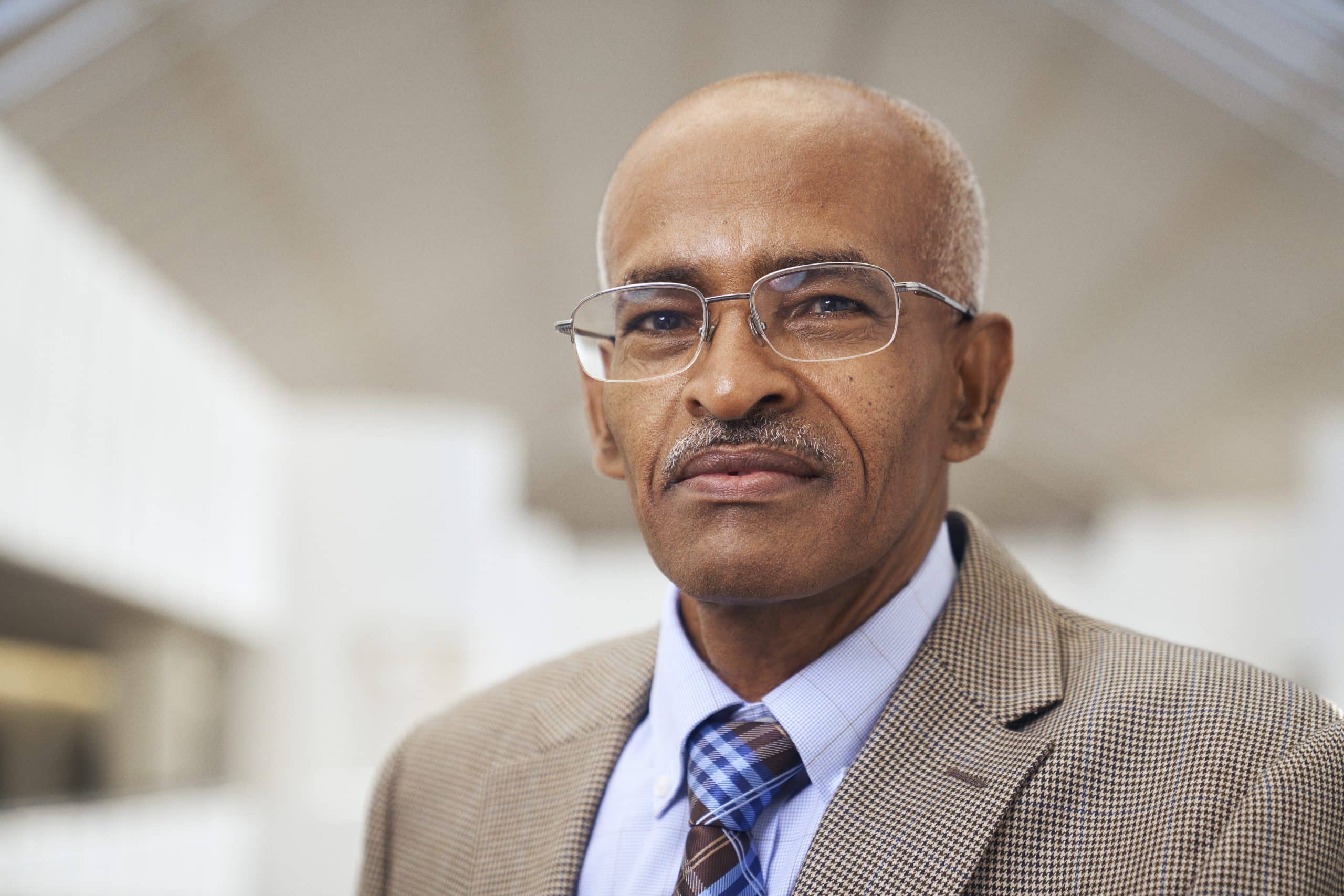
AACR-Princess Takamatsu Memorial Lectureship: David C. Lyden, MD, PhD
This award, supported by the Princess Takamatsu Cancer Research Fund, recognizes individual scientists whose novel and significant work has had or may have a far-reaching impact on the detection, diagnosis, treatment, or prevention of cancer, and who embodies the dedication of Princess Takamatsu to multinational collaborations.
Lyden is the Stavros S. Niarchos Professor in Pediatric Cardiology and professor of pediatrics at Weill Cornell Medicine. He is also director of the Physician-Scientist Training Program in Pediatrics, a founding member of the Drukier Institute for Children’s Health and a member of the Sandra and Edward Meyer Cancer Center, both at Weill Cornell. He is being recognized for his pioneering discoveries that described how primary tumors systemically promote metastasis through the formation of pre-metastatic niches in distant organs. Lyden’s research demonstrated that tumor-derived extracellular vesicles and exomeres, together with bone marrow-derived progenitor cells, remodel distant microenvironments and determine organ-specific metastatic tropism. His work has advanced the scientific understanding of metastatic dissemination and revealed links between tumor-derived vesicles and the systemic effects of cancer, including thrombosis and metabolic reprograming.
Lyden’s award lecture will be held on Sunday, April 19, at 4:30 p.m. PT.
PHOTO OF LYDEN
AACR-St. Baldrick’s Foundation Award for Outstanding Achievement in Pediatric Cancer Research: Kimberly Stegmaier, MD, FAACR
This award, supported by the St. Baldrick’s Foundation, recognizes individuals who have significantly contributed to any area of pediatric cancer research, resulting in the fundamental improvement of the understanding and/or treatment of pediatric cancer.
Stegmaier, a Fellow of the AACR Academy, serves as chair in the Department of Pediatric Oncology at Dana-Farber Cancer Institute and David G. Nathan Professor of Pediatrics at the Harvard Medical School. She is also the associate chief of the Division of Hematology/Oncology at Boston Children’s Hospital and an institute member at the Broad Institute. She is being recognized for seminal contributions to pediatric precision oncology, including foundational genomic discoveries that defined the unique molecular landscape of childhood cancers and led to the identification of key drivers of fusion oncoprotein positive malignancies. Stegmaier’s research uses systematic functional genomic screening and chemical biology strategies to identify critical dependencies in high-risk acute leukemias and pediatric solid tumors. Stegmaier has also successfully led “Big Science” initiatives such as the Pediatric Cancer Dependency Map and has leveraged acquired patient data to make conceptual advances involving activation lethality and the discovery of therapeutic targets. Her work has advanced the understanding of pediatric leukemia and solid tumor biology and has enabled new approaches for targeted therapies in these malignancies.
Stegmaier’s award lecture will be held on Monday, April 20, at 5 p.m. PT.
PHOTO OF STEGMAIER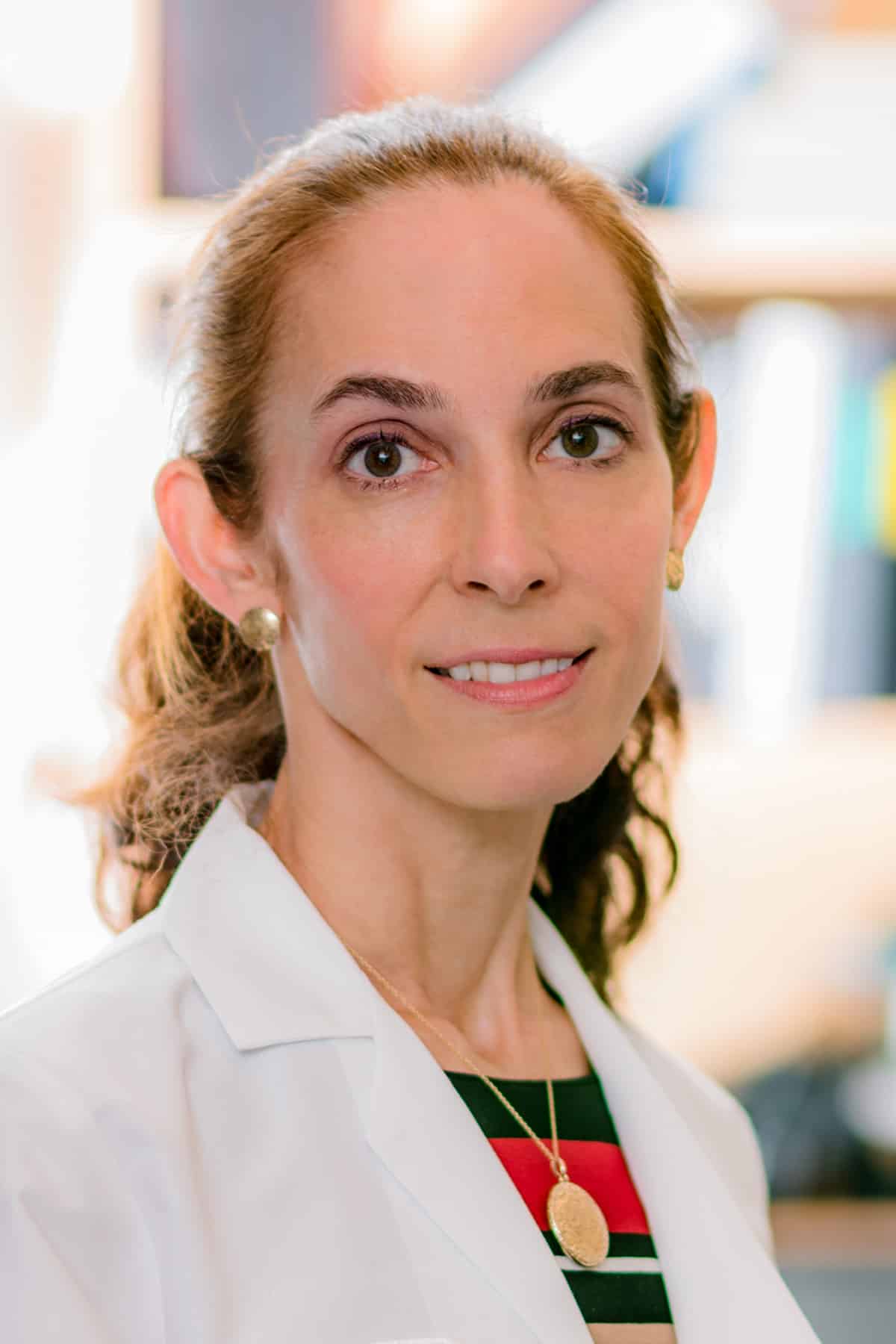
AACR-Waun Ki Hong Award for Outstanding Achievement in Translational and Clinical Cancer Research: Eliezer M. Van Allen, MD
This award, supported by the Waun Ki Hong Endowment Fund, recognizes worthy cancer researchers who have conducted highly meritorious translational and clinical cancer research anywhere in the world and who have not yet reached 51 years of age at the time of the award presentation.
Van Allen serves as the Chandra Nohria Family Chair for AI in Cancer Research and chief of the Division of Population Sciences at Dana-Farber Cancer Institute. He is also a professor of medicine at Harvard Medical School and an institute member at the Broad Institute. He is being recognized for pioneering discoveries that have advanced precision oncology through the integration of cancer genomics and computational biology to identify molecular determinants of therapeutic response and resistance. Through large-scale tumor sequencing and integrative genomic analyses, Van Allen’s research has defined genomic mechanisms underlying resistance to targeted therapies, including BRAF inhibition in melanoma, and identified genomic features associated with response to immune checkpoint blockade. His work has advanced biomarker discovery and the use of genomic data to guide personalized cancer treatments, as well as bridged advances in artificial intelligence with translational cancer research to impact discovery.
Van Allen’s award lecture will be held on Sunday, April 19, at 4:30 p.m. PT.
PHOTO OF ALLEN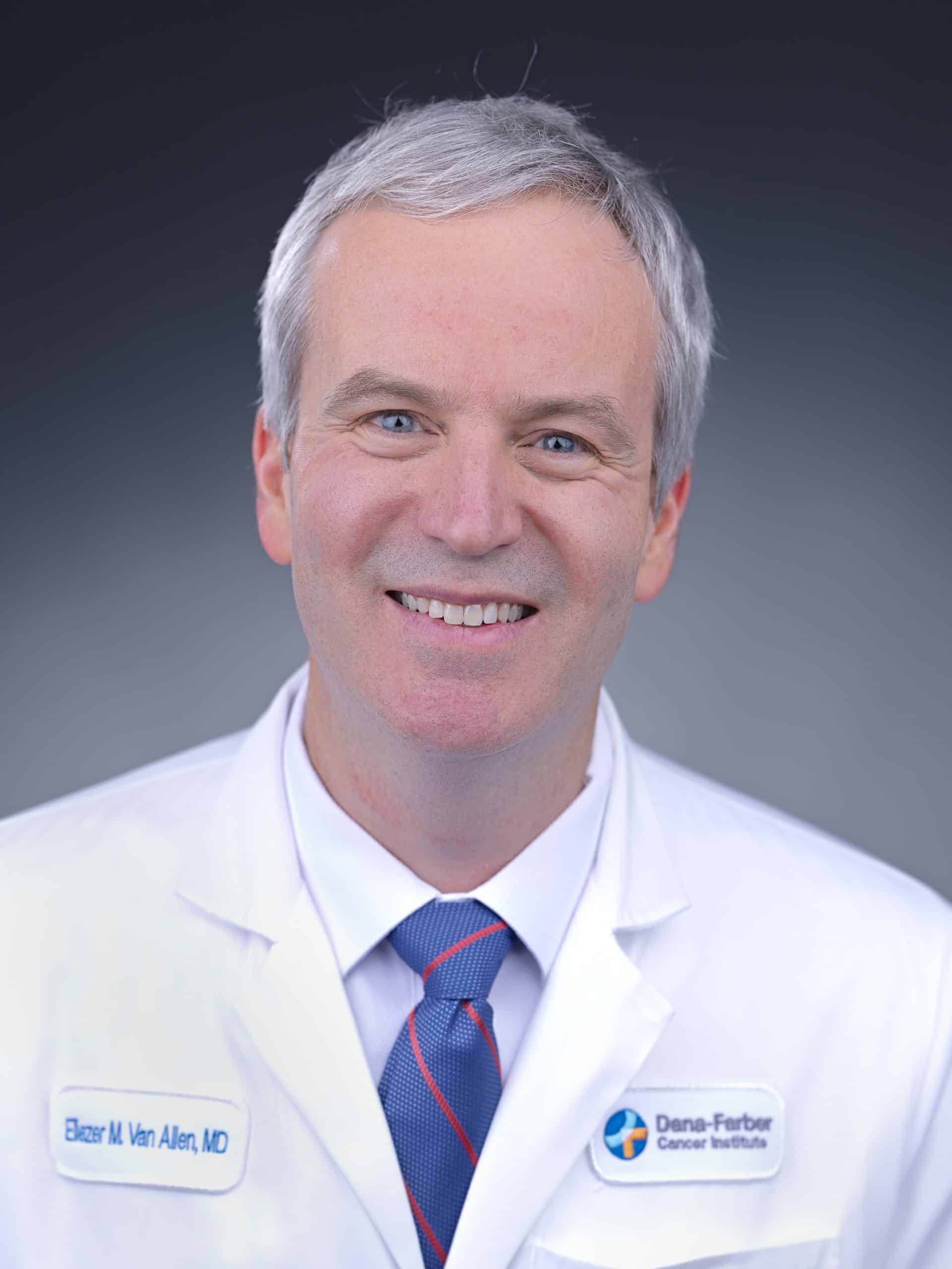
AACR-Women in Cancer Research Charlotte Friend Lectureship: Maryellen L. Giger, PhD
This award, supported by Gilead and Kite Oncology, is presented to outstanding scientists who have made meritorious contributions to the field of cancer research and who have, through leadership or by example, furthered the advancement of women in science.
Giger is the A.N. Pritzker Distinguished Service Professor of Radiology at the University of Chicago. She is being recognized for pioneering discoveries dedicated to advancing cancer diagnosis through the development of computer-aided detection and machine learning methods for medical imaging, and for her profound impact on the advancement of women in cancer research. Giger’s research has established quantitative imaging and radiomics approaches that extract high-dimensional features from radiologic images to characterize tumor phenotype and predict cancer risk, diagnosis, and treatment response. A dedicated mentor and role model, she has guided more than 120 trainees and has consistently championed the careers of women scientists and clinicians, thereby fostering a new generation of leaders in imaging and cancer research.
Giger’s award lecture will be presented at the AACR Annual Meeting 2027 in Orlando, Florida.
PHOTO OF GIGER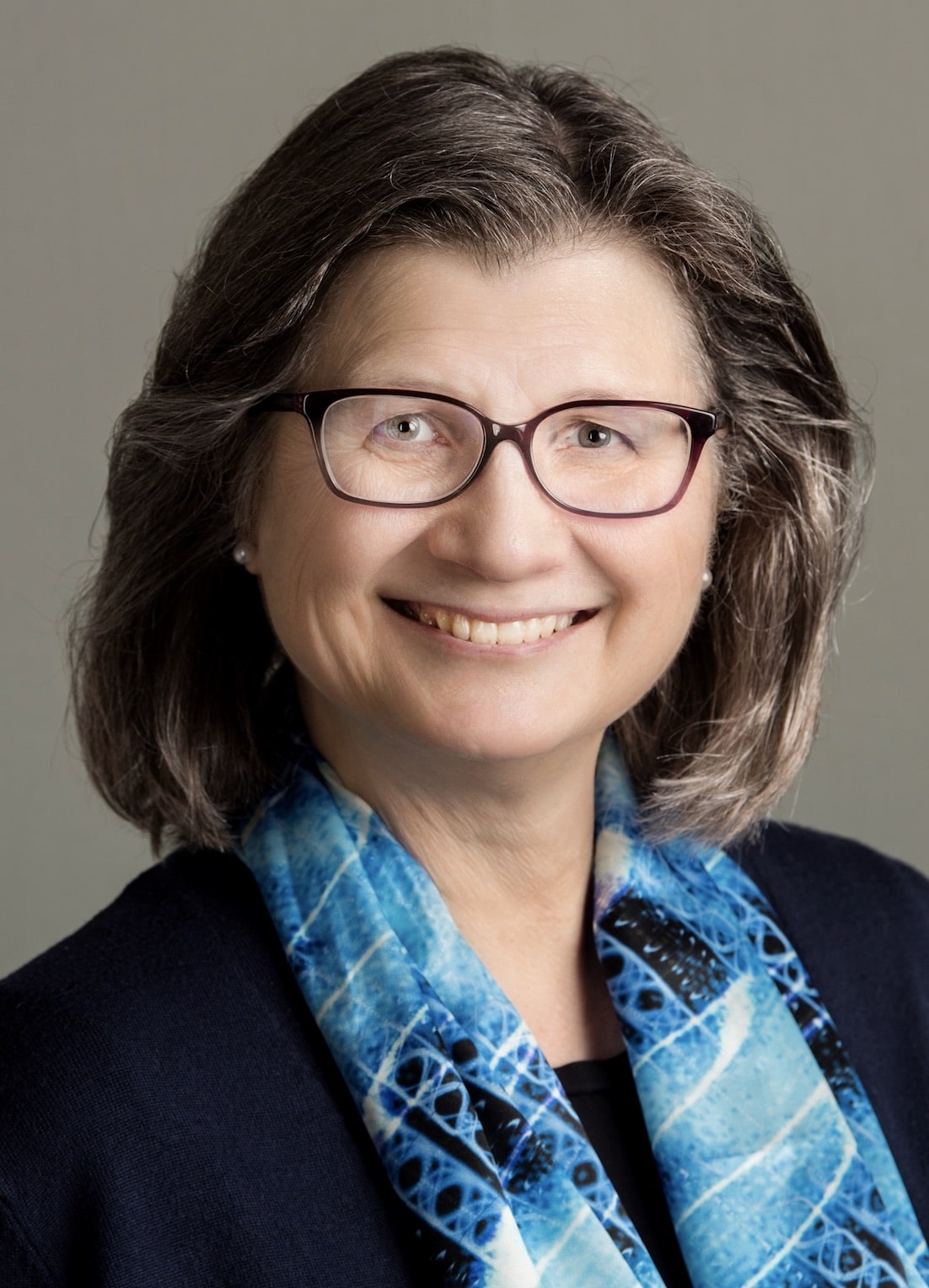
Pezcoller Foundation-AACR International Award for Extraordinary Achievement in Cancer Research: Douglas R. Lowy, MD, FAACR, and John T. Schiller, PhD, FAACR
This award, supported by the Pezcoller Foundation, is presented to scientists of international renown who have made a scientific discovery in basic cancer research or who have made significant contributions to translational cancer research.
Lowy is principal deputy director of the National Cancer Institute (NCI), part of the National Institutes of Health (NIH), and chief of the Laboratory of Cellular Oncology at NCI. Schiller is deputy chief of the Laboratory of Cellular Oncology at NCI and chief of the lab’s Neoplastic Disease Section. Both Lowy and Schiller are Fellows of the AACR Academy and NIH Distinguished Investigators. They are being recognized for pioneering the molecular and immunologic foundations of human papillomavirus vaccines, engineering virus-like particles for safe and effective immunization, and driving their translation into global cancer prevention strategies that have dramatically reduced cervical and other HPV-related cancer incidence. Their discovery has transformed the cancer prevention field, saved millions of lives, and continues to inspire scientists to develop new cancer preventative vaccines.
Lowy and Schiller will present their award lecture on Sunday, April 19, at 12 p.m. PT.
PHOTO OF LOWY PHOTO OF SCHILLER NEWS RELEASE